Some things are beyond measure and beyond price, writes Charles Eisenstein. No amount of money is enough to compensate for the loss of the sacred or the essential - and to pretend that it is, is to capitulate to the very mentality that is driving the destruction of the biosphere.
Arctic warming is releasing ancient organic matter that's been deep-frozen for millennia, writes Tim Radford. And now scientists have discovered its fate: within weeks it's all digested by bacteria and released to the atmosphere as CO2 - with potentially catastrophic impacts on climate.
The military targeting of civilian infrastructure, especially of water supplies, is a war crime under the Geneva Conventions, writes Nafeez Ahmed. Yet this is precisely what NATO did in Libya, while blaming the damage on Gaddafi himself. Since then, the country's water infrastructure - and the suffering of its people - has only deteriorated further.
A 'summer of protest' is brewing as campaigners vow to protect seals from shooting by salmon farmers in Scotland and managers of wild salmon fisheries, writes Dominic Dyer. The RSPCA's 'Freedom Food' system is driving animal welfare advances on salmon farms - now the model must be extended to wild salmon.
The palm oil industry's repeated failure to keep its promises illustrates why global initiatives to achieve 'sustainable palm oil' must place communities centre-stage, writes FPP. Standard-setters like the RSPO must demand action, enforcement and accountability - not just lofty commitments that inspire hope, but rarely deliver.
A damning expert critique of the National Farmers Union's application to use banned bee-toxic neonicotinoid pesticide seed treatment on a third of England's oilseed rape crop this autumn has forced the UK government to refuse the NFU's demand.
In a private letter to Tony Blair released today Prince Charles strongly urged Tony Blair to expedite a badger cull in 2005, raising the spectre of a third 'food scare' that would strike down British farming on the scale of BSE and Foot & Mouth disease.
The battle for the soul of the Conservative party will intensify on the volatile issue of climate change, write Brendan Montague and Matteo Civillini. Energy Secretary Amber Rudd may be among the Tories' greenest but the 'grey blob' led by Owen Paterson may yet defeat her.
A Senate vote yesterday to deny President Obama 'fast track' authority in negotiating TPP and TTIP looks like the beginning of the end for these trade deals and their secret corporate courts, writes Nick Dearden. Now it's up to Europeans to make sure the EU Parliament votes against TTIP in a crucial vote next month.
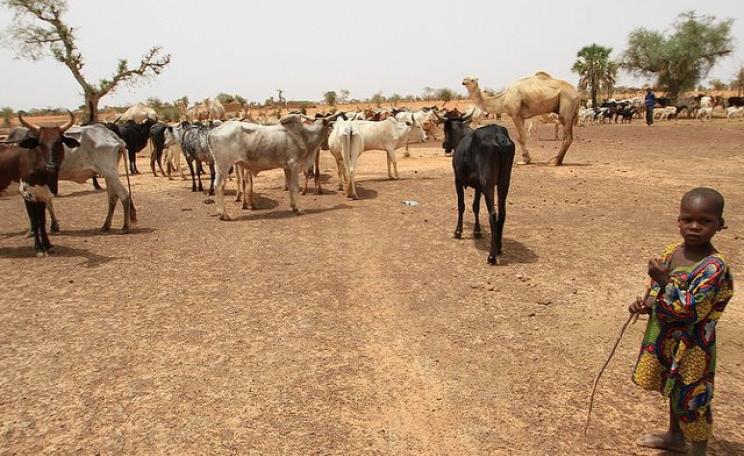
Food and water shortages and sharp price hikes in the necessities of life are driving civil unrest and rebellion across the Middle East and North Africa, writes Nafeez Ahmed. Adding to the problem, many of the afflicted countries are of strategic importance for their oil and gas, putting them on the front line of destabilizing 'counter-terrorism' operations.
Powered by 100% renewable energy, Apple is maintaining its lead as the internet's greenest company, But others are lagging behind: Google has yet to reach 50% and relies heavily on coal, while Amazon's AWS, the massive 'dark cloud' of the web, won't even answer questions.
Following the accidental fire in a transformer at the troubled Indian Point nuclear site last weekend, and the unplanned release of oil into the Hudson River, calls are growing for the two remaining power plants to be shut down, writes Karl Grossman. The NRC is likely to extend its expiring licenses for another 20 years - but New York State could still refuse it a water use permit.
Marine conservation is usually expressed in austere and negative terms, writes Alasdair Harris, with strict quotas and exclusion zones. But the truth is the exact opposite: it's about working with natural ecosystems to unlock their productive potential, creating sustainable wealth and abundance for fishing communities while enhancing marine biodiversity.
Europe's most important laws for wildlife, the EU's Nature Directives, are under threat in from a recently launched 'review', writes Martin Harper. The official purpose is to make the laws more effective, but in reality it's all part of the Commission's agenda to strip away regulations that impede business in its pursuit of profit.
As Cameron appoints his cabinet, we had better get prepared for the 'green crap' that's about to be unleashed on us, writes Oliver Tickell - the return of fox-hunting, badger-culling, road building and nuclear power, the arrival of GM food and crops, more cuts to wind and solar power and the underfunding of home insulation.