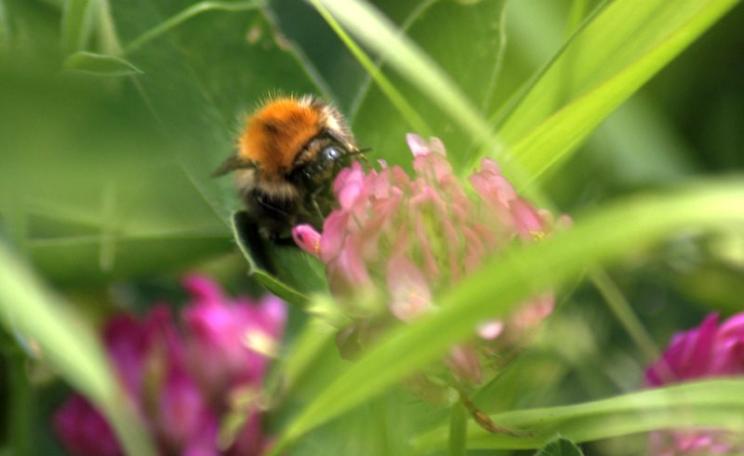
Our bees and wider farmland ecosystems have been seriously harmed by neonicotinoids, writes Dave Goulson. But that's just the start of the damage that modern farming is doing to wildlife in a countryside stripped of wild flowers and drenched by cocktails of pesticides. The problem is not just neonics, but the entire model of industrial agriculture.
Ignoring cries of protest from impoverished communities and fierce international criticism, Detroit will begin to serve water shut-off notices on some 25,000 households tomorrow as it prepares to privatise its water department.
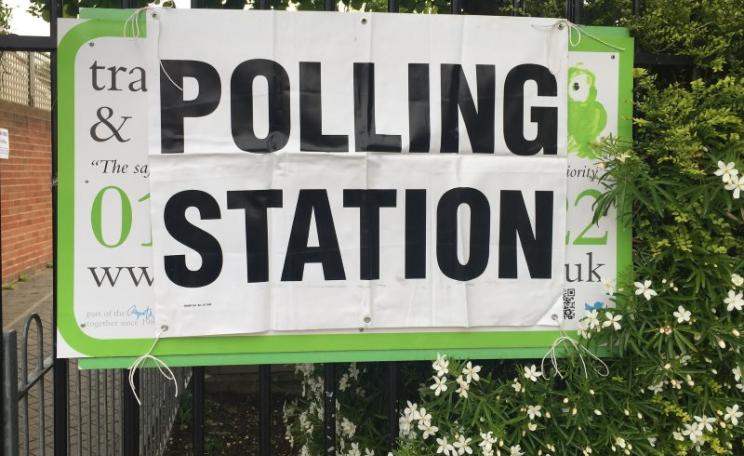
This week the people spoke - and a tad under a quarter of them voted to put the Conservatives in power for another five years, writes Jonathan Cook. Was it an act of collective insanity? No, it's much worse than that. It's because our politics, media and ultimately our minds are controlled and manipulated by billionaires.
Fed up with being gouged by profit-driven corporations, let down by state neglect and under-investment, urban communities across the US are taking control of local services like public transport, energy, water, internet and telecoms, writes Max Holleran - bringing better service, lower prices and clean energy.
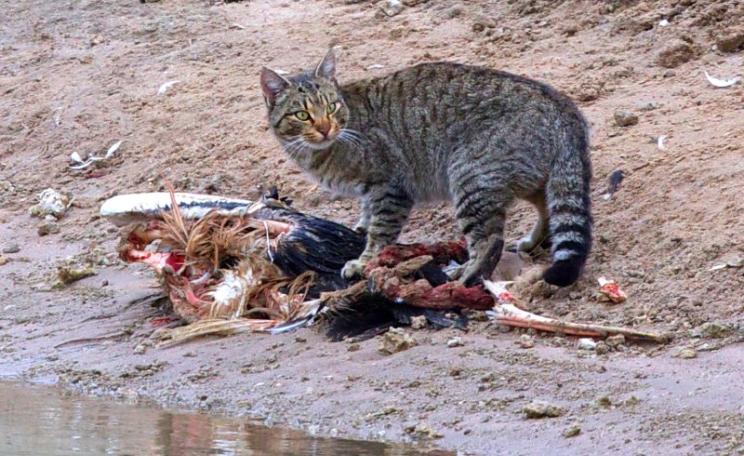
A study of feral cats in Tasmania shows that culling them to reduce their impact on native wildlife had a paradoxical effect - their population went up! If you can't take 'pest' animals out faster than they can reproduce and move in from nearby areas, writes Christopher Johnson, you're better off not bothering at all.
The UK's decisive Conservative victory is the result of a grossly unfair electoral system.The 'winners' were backed by under 25% of the electorate, the losing Labour vote went up by twice as much as the Tories' - and some MPs represent as few as 23,000 voters, others over 3 million. We must now demand real democratic reform.
Governments and corporations are driving a global wave of ecologically disastrous airport-centered mega-projects each destroying as much of 100 sq.km of farmland and forests - sucking water, resources and economic activity from surrounding areas, excluding host communities and locking in high-carbon infrastructure for decades to come.
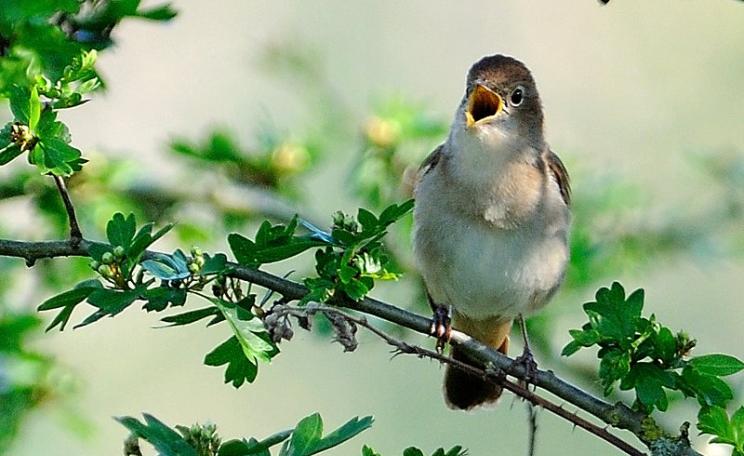
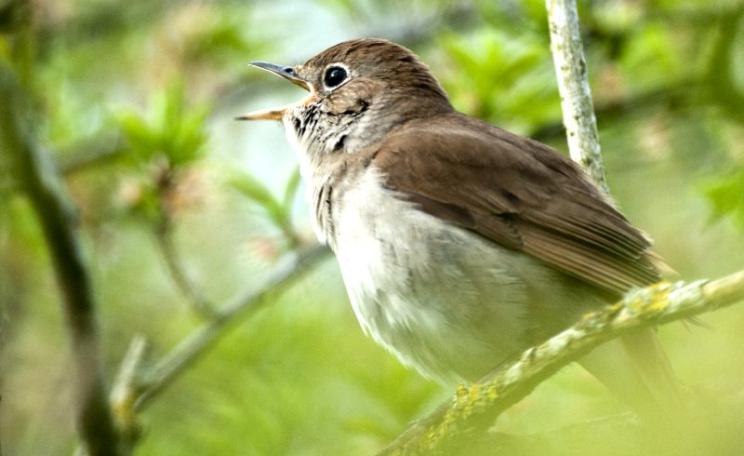
Nightingales, famous for the entrancing beauty of their song, have declined by 90% over the last 50 years, writes Chris Rose, and are heading towards their very own silent spring. The first step to saving this wonderful bird must be for us to fully appreciate it, and the terrible loss its extinction would represent.
At the inspiring new 3,500 acre 'wildland' of the Knepp Estate in West Sussex, the nightingale is making itself at home amid the thorny thickets, writes Hazel Sillver. That's proof to any that need it that the bird's extinction is far from inevitable - if only we can muster the will to save it! It also offers a wonderful opportunity to hear its magical song ...
Greenpeace India has barely three weeks left to fight for its survival following a broad government crackdown on civil society. The green NGO has been left with funds for staff salaries and office costs that will last no later than 1st June.
First Jo Cartmell converted her uninspiring front lawn into a 'mini-meadow' full of wild flowers. Next, she waited the return of insect life - not for very long as it turned out. Barely a few years into the project, a remarkable profusion of bees, beetles, moths and butterflies were buzzing and humming around the blooms ...
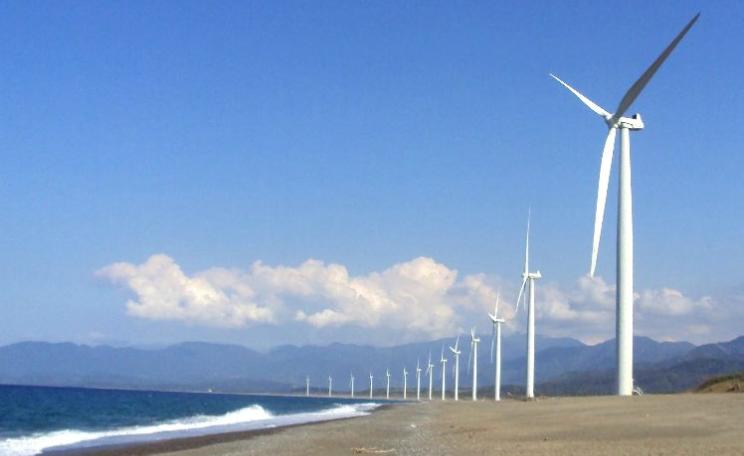
Mainstream energy analysts cling firmly to the belief that fossil fuels will attract the lion's share of world energy investment for a long time to come, writes Michael Klare. But there are four compelling reasons why they are wrong. The renewable revolution is under way, and has already gathered an unstoppable momentum.
The US is denying huge numbers of black and brown children their chance to achieve their cognitive potential by quietly poisoning them with lead and other toxins, writes Rita Turner. The offense is then compounded by providing the victims deeply unequal educational opportunities, and disregarding their civil rights.
Whatever government we end up with after tomorrow's election, there's just one way to make sure it takes climate change and wider environmental issues seriously, Natalie Bennett told a Cambridge audience yesterday - for us to deliver the strongest Green vote ever!
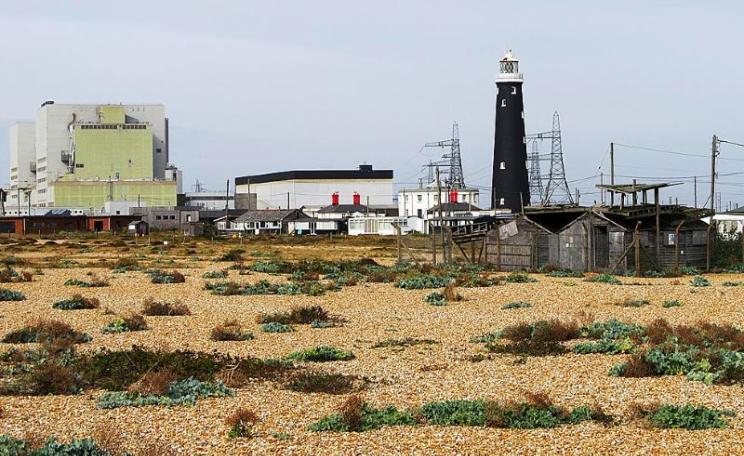
Sea level rise, storm surges and bursting dams all pose an increasing danger to nuclear power stations across the world, writes Paul Brown, as the long term risk posed by climate change combines with chance events from extreme weather events to earthquakes.