Football fans around the globe have their eyes set on Curitiba, Brasil this year, the site of the 2014 World Cup. But as Brian Barth reports, eco-savvy urban planners have been studying Brasil's seventh largest city for decades ...
Orthodox economics and finance have promoted a false account of money, writes Ann Pettifor. Change is necessary and possible. But it will come only through a revolution in the general public's understanding.
The UK's House of Commons has voted overwhelmingly for a motion stating that pilot culls have 'decisively failed' - by 219 votes to one. But the vote is non-binding - will the Government listen?
Those who finance and direct strategic campaigns to undermine the public's ability to develop and voice informed opinions on climate change should - writes Lawrence Rorcello - face criminal penalties.
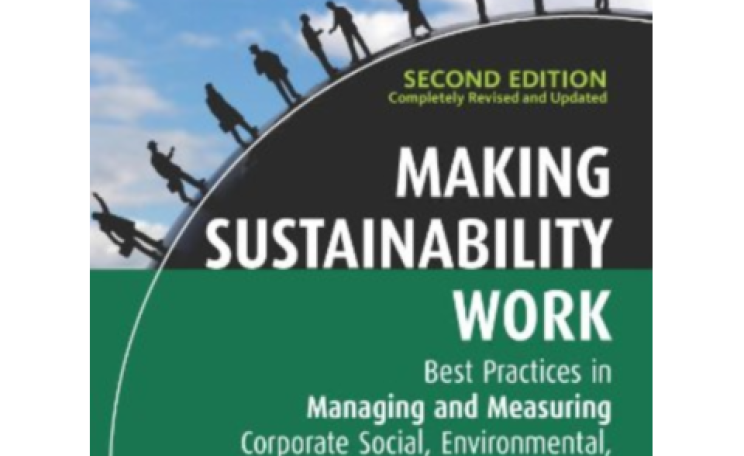
'Business' has to made sustainable - but how is the transformation to be achieved? Finn Jackson reviews a key book on the topic - but finds that amid the checklists of criteria, the authors have somehow missed the point of it all.
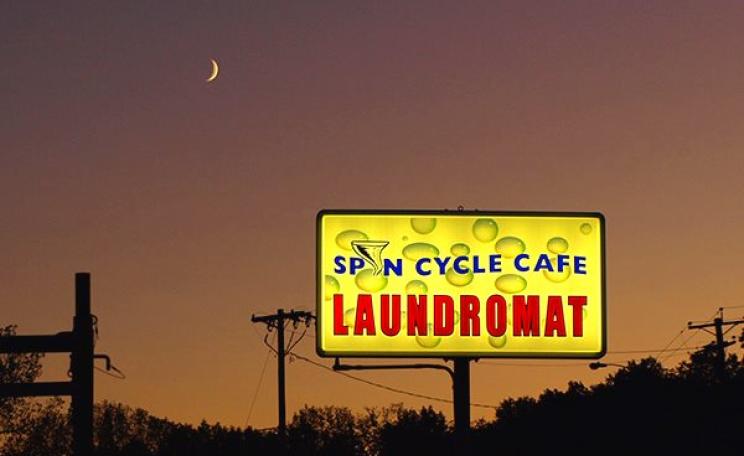
How can we reduce our ever increasing throughput of raw materials? By breaking out the the 'iron cage of consumerism', writes Mariale Moreno: make things to last - whether clothes, houses, cars, or washing machines. Join a car club. Share domestic appliances with neighbors. And bring back the laundromat!
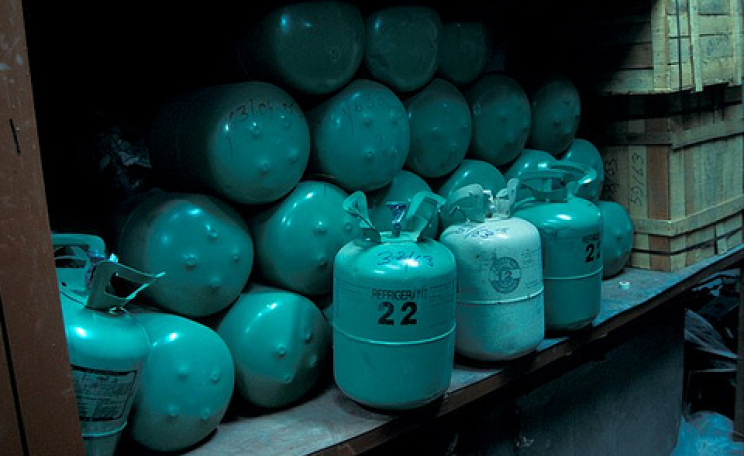
The European Parliament has today adopted a ner Regulation to phase-down the use of super greenhouse gases - known as 'F-gases' - some of which are thousands of times more powerful than CO2.
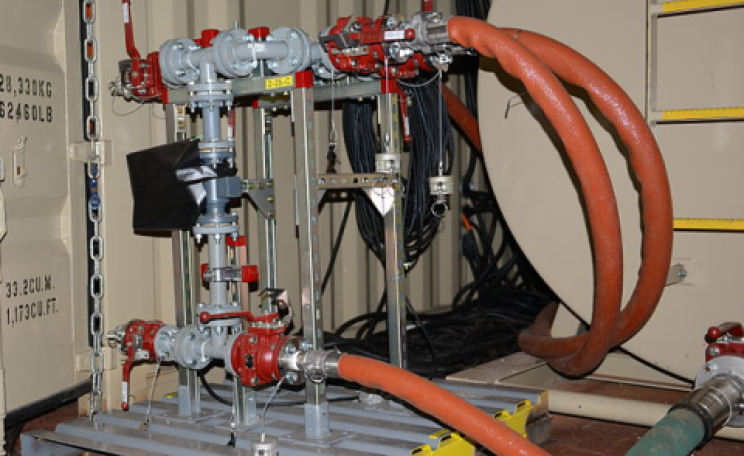
Syria's surrender of its chemical weapons last autumn raised the question - where to dispose of the toxic agents? Felicity Arbuthnot reports on a toxic tale of chaos, corruption, grand theft, and a growing strategic imbalance in the Middle East.
In principle ancient woodland enjoys strong protection, but that's not how it works out on the ground, reports Sian Atkinson. HS2 alone threatens 82 ancient woods, and 440 are at risk nationwide. Hence the Woodland Trust's 'Enough is Enough' campaign ...
The struggle for collective rights unites all Indigenous peoples from North America to Palestine, writes Sarah Marusek - as does their common narrative of resistance to colonialism, imperialism and capitalism.
A nuclear reactor designed to burn up surplus Cold War plutonium has been closed by the US Department of Energy. Initially it was meant to cost $1bn. So far it has cost $4bn. To complete and operate would cost $25-34bn.
The European Commission has launched its public consultation over the UK's proposed state aid to the proposed Hinkley C nuclear plant in Somerset - and in the process delivered a mighty broadside against the UK Government's plans.
Living between southern England and Bolivia, Maddy Ryle finds inconsistent media attitudes in reporting extreme weather and climate change - and searches out new narratives that engage and empower communities across the world.
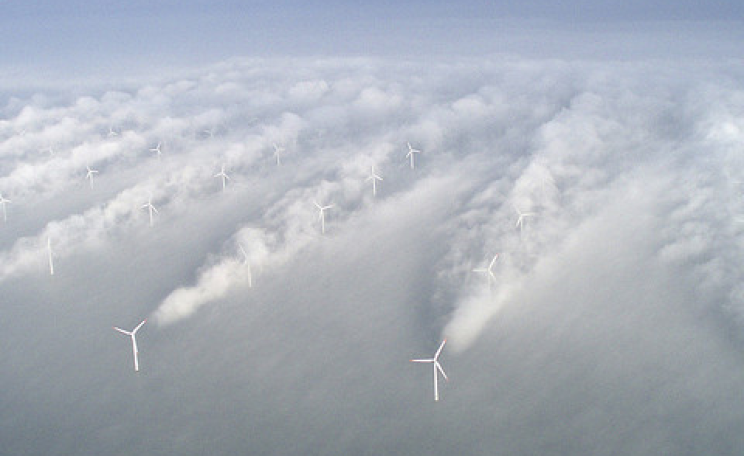
US scientists say that very large wind farms could not only withstand a hurricane: they would also weaken it and so protect coastal communities. As Tim Radford reports, wind farms could just have saved New Orleans ...
The LibDems fear the Greens will beat them in the Euro-elections, writes Rupert Read. Now they plan to use Green opposition to the 'corporate charter' TTIP trade deal to batter the Greens on 'jobs'.