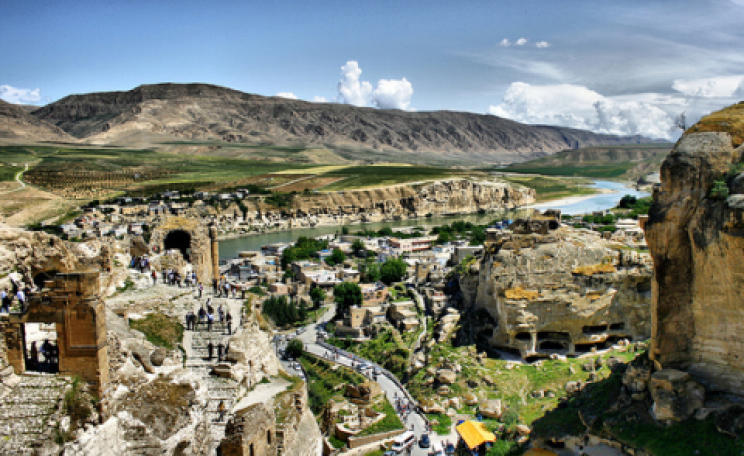
Turkey's Gezi Park protestors are finding common cause with Kurdish communities, writes Rosa Wild. Both are suffering from Erdogan's annihilation of land, forests, parks and cities in pursuit of economic growth. A new eco-democratic resistance is taking root.
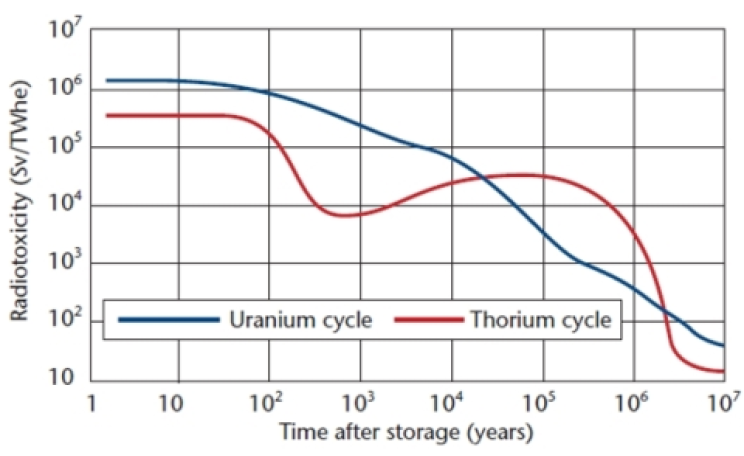
Nuclear enthusiasts have been singing the praises of nuclear reactors that use thorium as their fuel instead of uranium. Jan Beránek analyses the claims - and finds that thorium is a mere distraction on the way to our renewable future.
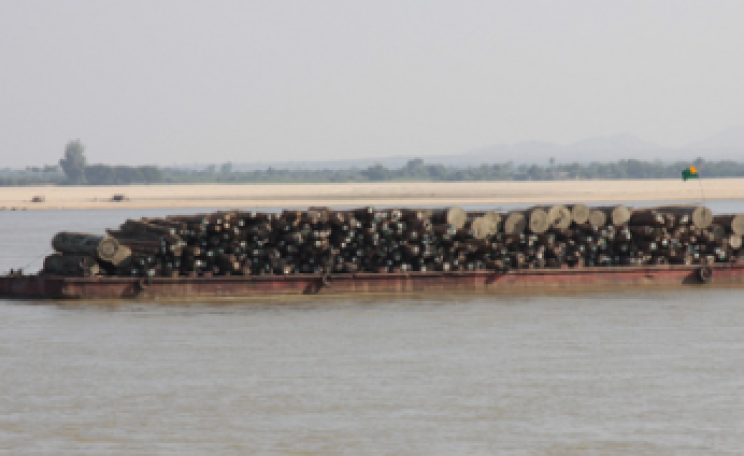
New analysis of Burma's forestry and trade data points to a multi-billion dollar illegal logging and exports black hole - indicating widespread criminality and official corruption.
Jonathon Porritt finds Mark Lynas's latest pro-nuclear tome 'gratifyingly short' and reasonably open-minded. But Lynas falls into the trap of seeing nuclear technologies as fast developing, while renewables are stuck - when the reverse is the case!
Food - and the land we grow it on - are much too important to be left to 'free' markets, writes Olivier De Schutter. And all the more so when those markets are not really free at all, but grossly distorted in favour of the rich.
On the final day of the trial of Caroline Lucas and other anti-fracking protestors, we ask - what about human rights? Entirely neglected by the government in its desperate drive to frack, they ought to trump all other policy considerations.
According to Goldman Sachs US home-owners will find it's technically and economically viable to go off-grid by 2033, writes Michael Mariotte. The big losers will be fossil and nuclear power generators.
'Brand lemur' could draw much needed ecotourism spending to Madagascar, writes Ian Colquhoun - benefiting local communities, and providing the funds needed to save lemurs from the very real threat of extinction.
Pending the publication of the long-delayed Independent Panel report on the badger cull, Lesley Docksey finds that the fight for England's badgers is part of an even bigger campaign for scientific and political integrity.
From now on General Mills, a major US food conglomerate, will buy only palm oil that does not contribute to deforestation or the loss of high carbon tropical peatlands.
Cities all over Britain are threaded by 'lost rivers' that have been hidden away in tunnels and culverts. Jenny Jones argues that it's time to restore them to a more natural state - improving habitats for wildlife and people, and reducing flood risk.
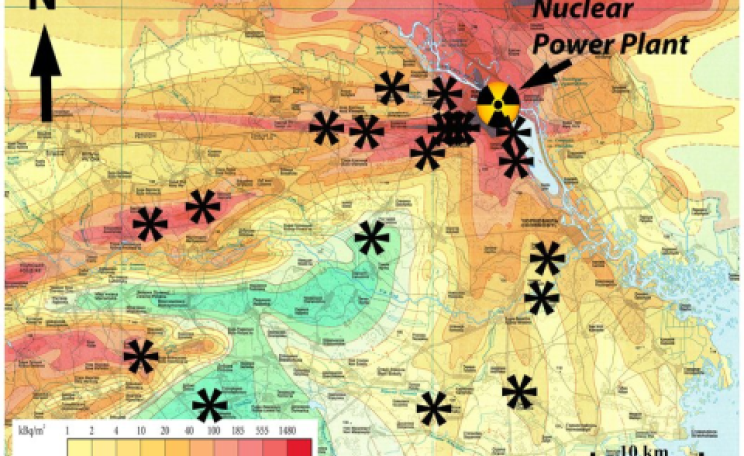
It's not just people, animals and trees that suffer from radiation at Chernobyl, writes Rachel Nuwer, but also decomposer fungi and microbes. And with the buildup of dead wood comes the risk of catastrophic fire - which could spread radiation far and wide.
In a ground-breaking decision the BBC has admitted: it was wrong to state that badger culling in the Republic of Ireland had reduced incidences of TB in cattle. Will the decision stop the Government from making the same mistake?
Two unusual political events will take place next week. The Green MP Caroline Lucas goes on trial for protesting against fracking. And Nick Clegg and Nigel Farage go head to head on TV. Rupert Read contrasts the underlying political agendas ...
Systematic, acute, malicious discrimination in access to water in the West Bank and Gaza, combined with massive resource theft, is operated by the occupation authorities and the private water company Mekorot, writes Ayman Rabi on UN World Water Day.