A Bushman from the Central Kalahari travelled 5,000 miles from his home in Botswana today to tell the Prince of Wales, ‘We're not poachers - we hunt to survive. Persuade Botswana to change its policies, or the Bushmen will soon be finished.'
Those caught up in nuclear disasters suffer many times over, writes Robert Jacobs. Ill-health and early death aside, they are also cut off from their former communities, identities and family life, and the victims of social and medical discrimination.
As the European Commission considers the £100 billion subsidy package the UK has offered EDF to build and operate Hinkley C nuclear power station, Paul Dorfman explains why the 'deal' is illegal, anti-renewables, and ruinous to energy users and tax payers.
The UK should continue to use nuclear power, in order to reduce greenhouse gas emissions, writes Stephen Tindale. It should also test new nuclear technologies that can burn plutonium, such as the PRISM reactor, and develop molten salt reactors.
New research shows that biochar in soil strongly stimulates plant growth, more than doubling yields. However the extra growth may come at the cost of reduced plant defences against pests.
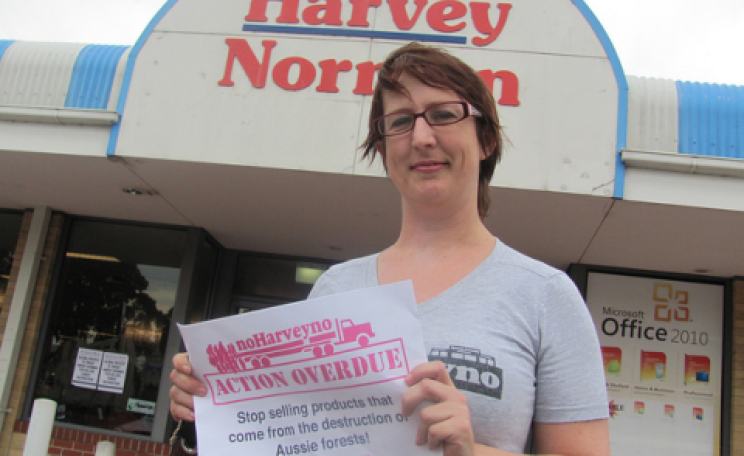
In a radical departure from it's 'pro free speech' rhetoric, Australia's 'Liberal' government wants to ban environmental boycotts. But as Bill Laurance writes, eco-boycotts are not only an effective tool for reining in corporate excesses - they are also a key democratic right.
A 'slow genocide' is unfolding in Ethiopia - one driven by greed rather than hatred. With Chinese and World Bank finance, massive dams and plantations are robbing the Omo Valley's 500,000 indigenous people of their land and water. The UK 'sees no evil'.
It's your chance to choose who's the worst of the six Big Biomass Baddies - the companies making a killing from burning forests in power stations. And please join us at the 'Biomess' Awards ceremony on Weds 9th April in London.
If rhinos are driven to extinction in the wild, Africa's landscapes and ecosystems would be very different, reports Rachel Nuwer. The activities of this mega-herbivore diversify plant life and create prime grazing spots for other animals.
BBC coverage of last week's IPCC' report was 'almost deliberately confusing', writes Catherine Happer - undermining the public's will to act to forestall climate catastrophe by airing endless sceptical voices, while claiming 'impartiality.
Australia is still stealing Aboriginal children from their families, reports John Pilger. The 'lost generation' policies were meant to have ended in 1969, but a new wave of child thefts is under way - 2013 figures show that 13,914 Aboriginal children were in 'out of home care'.
A report by Alberta's energy regulator links emissions from tar sands oil production with serious health impacts in the Peace River region that have forced families to flee their homes, reports Carol Linnitt. The findings reveal 'a huge information gap'.
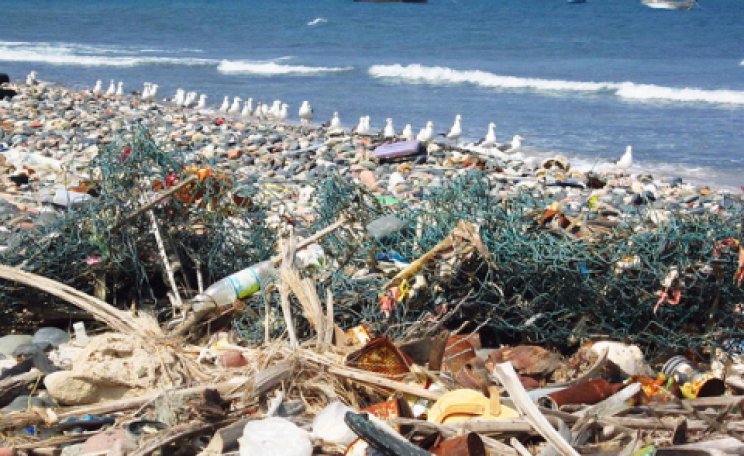
In the search for Malaysia Airlines flight MH370 we have found oil slicks and debris everywhere - none of it connected to the missing plane, writes Paul Mobbs. The seas are littered with human trash, and it's killing the oceanic ecosystem.
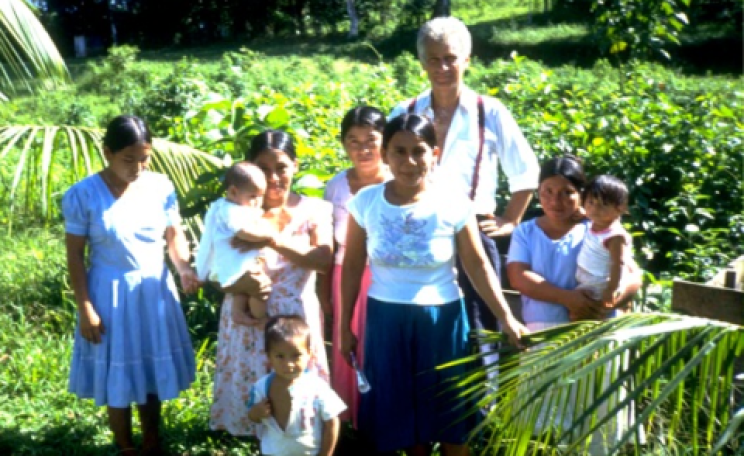
A 'harmonic convergence' in the Mayan calendar set off something big for Craig Sams and his Belizean partners. First, Green & Blacks chocolate - and now an even more ambitious project to restore the world's soils using biochar and organic farming systems.
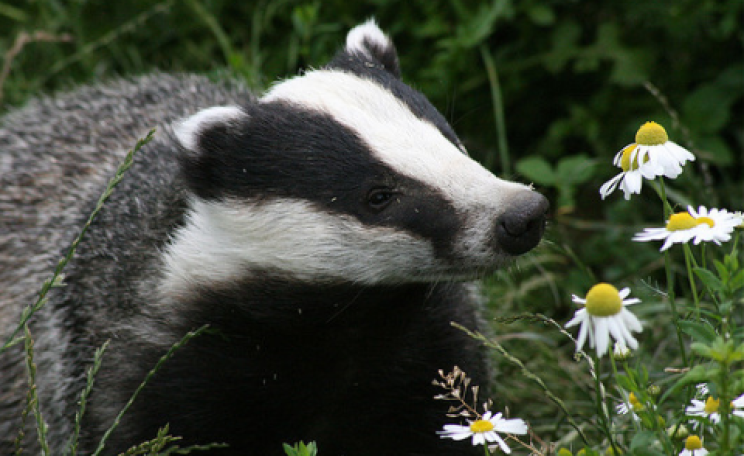
Owen Paterson's bold plans for a national badger cull rollout are now in tatters, writes Dominic Dyer, as he stands condemned by both sides in the debate. Wales shows the real way forward, with biosecurity, cattle movement control, TB testing and vaccination.