New scientific research shows that culling badgers can increase local hedgehog numbers. As UK hedgehog populations continue to decline, Hugh Warwick asks - are badgers to blame? Or does the real problem lie elsewhere?
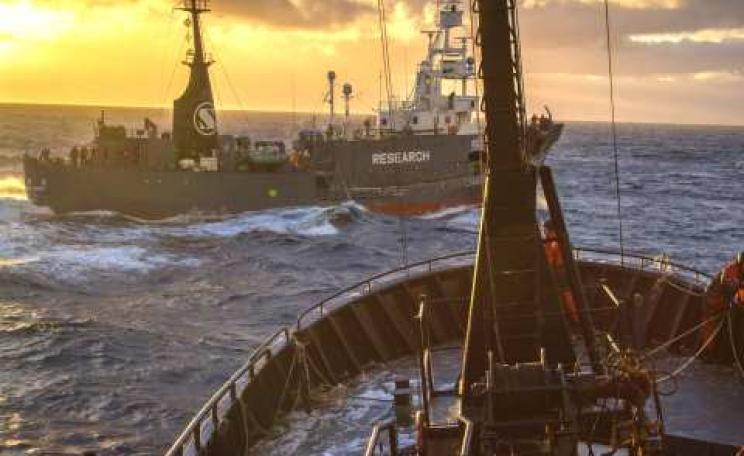
Following the ruling by the International Court of Justice that Japan's whaling in the Antarctic is illegal, Elizabeth Claire Alberts examines the legal, financial and practical challenges of a continued whaling program - with some help from Sea Shepherd's Captain Paul Watson.
As the destruction of the biosphere continues, we need to establish new legal systems to protect what remains. Mumta Ito proposes a new beginning for environmental law based on extending 'civil rights' to the natural world.
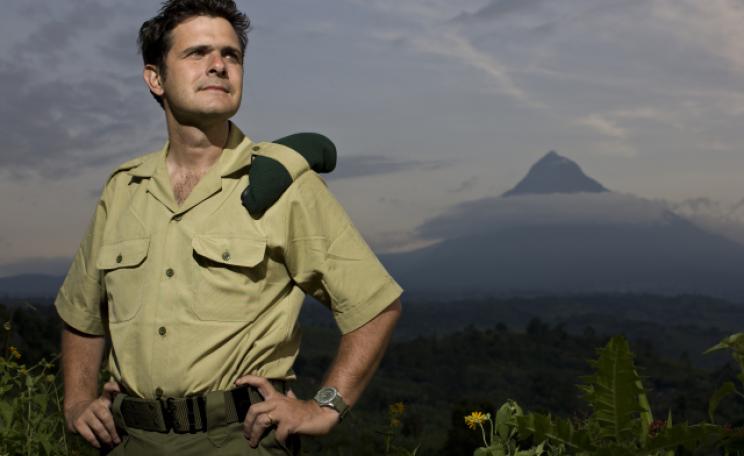
Following the shooting of Virunga's chief warden last week, WWF is calling on UK oil company Soco International PLC to pull out of the Park and respond to allegations made in a new documentary premiering at the Tribeca Film Festival.
Japan is the world's biggest financier of coal development, setting developing countries on a dirty, coal fired energy track. As President Obama visits Japan, Nicole Ghio urges Prime Minister Shinzo Abe to re-apply its coal billions to build a clean, renewable energy future.
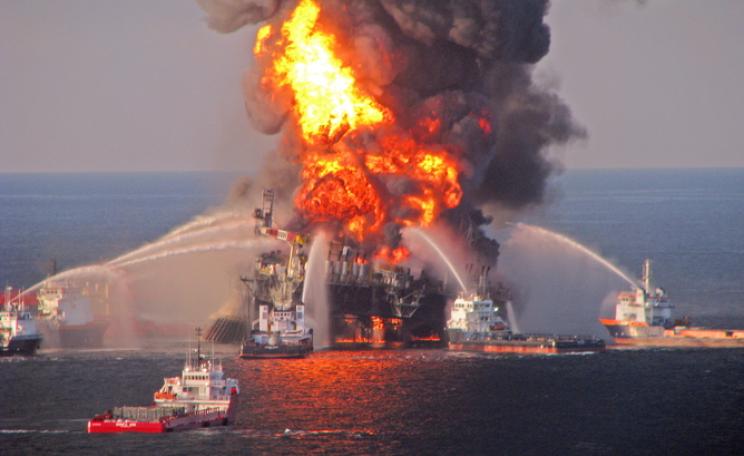
In the four years since the Deepwater Horizon blowout there's been a lot of regulatory activity, writes Jacqueline Lang Weaver. Yet the regulatory framework today is weak, complex, under-funded, industry dominated - and it's uncertain that the Gulf of Mexico is really any safer than in 2010.
For today's tourists and travellers the elephant in the room is the jumbo jet which whisks us to our destinations - but pollutes the air, promotes destructive development, and isolates us from the the real world. Rose Bridger reviews 'Beyond Flying'.
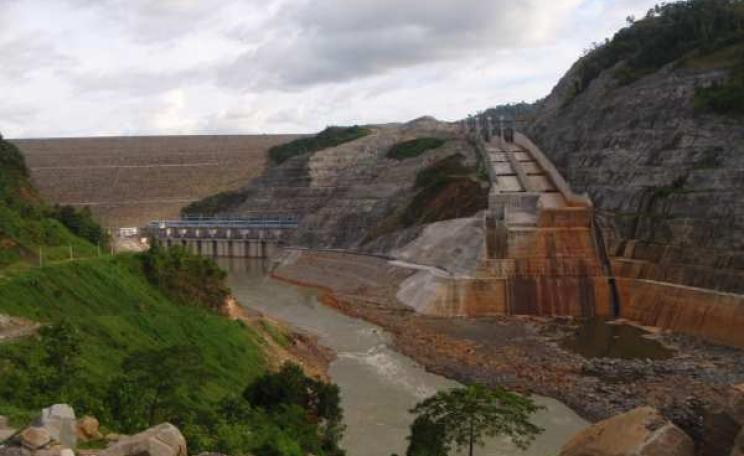
A study of 245 large dams carried out at Oxford University shows that big hydropower is uneconomic. Actual costs are typically double pre-construction estimates - and have not improved over 70 years. ASEAN energy ministers take note!
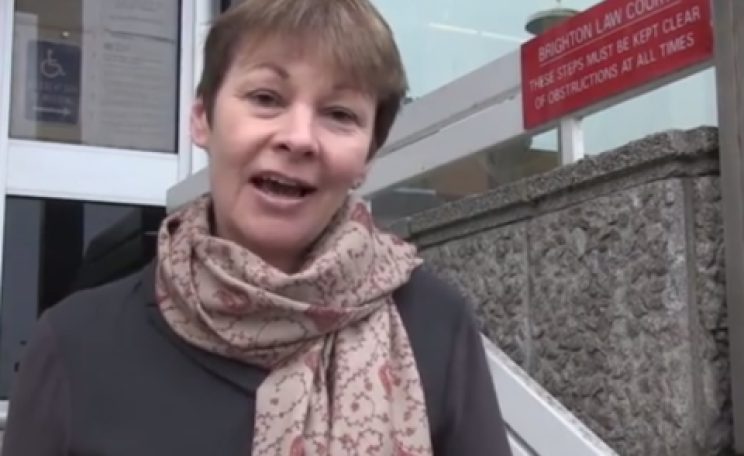
Following her acquittal on charges of obstructing the entrance to a fracking site in Balcombe, Sussex, Caroline Lucas explains why this is only the beginning of the fight against shale gas - and why we must also promote the clean energy alternatives.
After over a decade of fracking, oversight of the industry's radioactive waste is still lacking, reports Sharon Kelly. Over half of the 280 billion gallons a year of radioactive waste water from fracking ends up in rivers and streams.
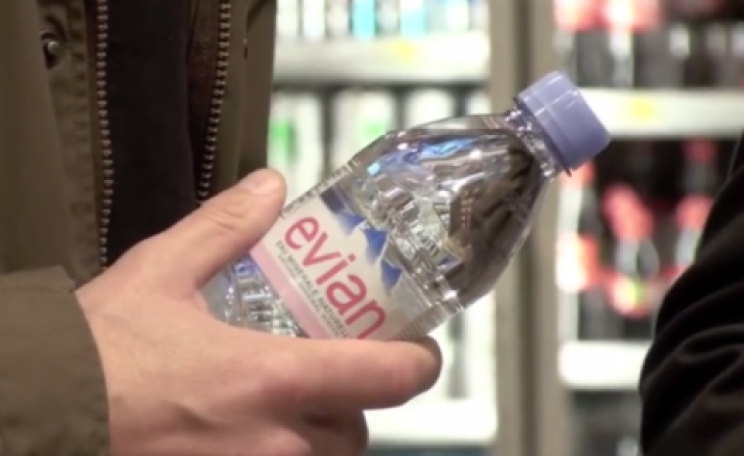
Swedish artist duo Diagram escorts a glass of water back to its origin - from a convenience store in Stockholm back to a storm-drain in Evian les Bains, by Lake Geneva - and expose one of the many absurdities of modern life.
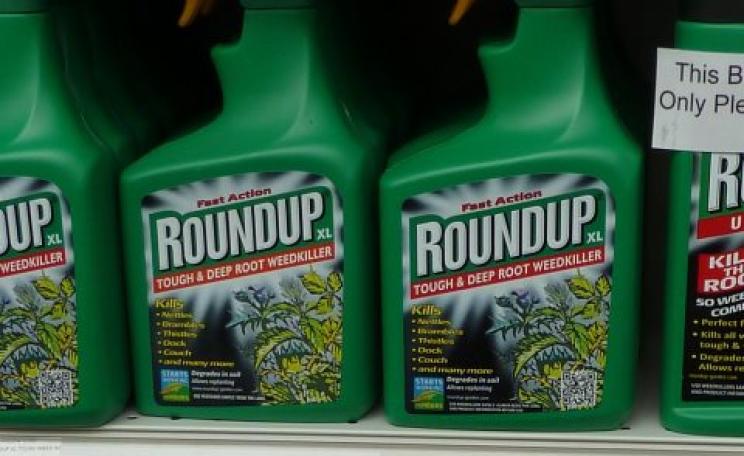
The introduction of GMO crops has caused a huge increase in the use of the herbicide glyphosate, writes Dr Thierry Vrain. In turn we are eating ever more of it in our food, depriving us of vital mineral nutrients and damaging the symbiotic bacteria we all depend on for life and health.
The Land Workers Alliance gathered yesterday at DEFRA's London HQ to protest at the corrupt relationship between Government and corporate agriculture - and the deliberate marginalisation of small farmers, our most sustainable producers. Ed Hamer explains ...
The need for cooperation over Russia's exports of gas to the EU via Ukraine was an important reason for the tentative peace deal struck in Geneva yesterday. But as Jack D. Sharples writes, gas will also be a source of East-West tensions for a long time to come.
The Green MP for Brighton, Caroline Lucas, and four other protestors have been found 'not guilty' by Brighton magistrates on charges of obstructing the highway and other public order offences at a 2013 anti-fracking protest. 'The fight goes on!'