The US Forest Service is developing a new armory of aggressive and often illegal tactics to push through loss-making timber sales, as it brands forest defenders as 'eco-terrorists'. Time to dig in for the trees - and the wolves.
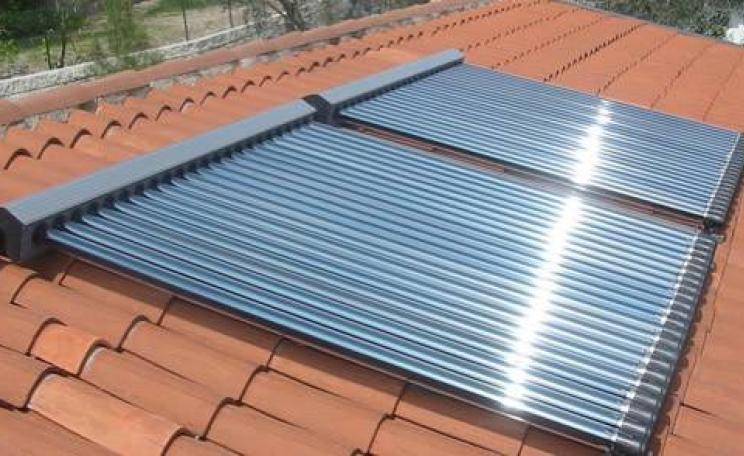
With three of Jonathon Porritt's wishes for the UK's energy sector coming true in the space of as many weeks - the launch of the Renewable Heat Incentive, a Solar Strategy and a Community Energy Strategy - he finds cause for celebration.
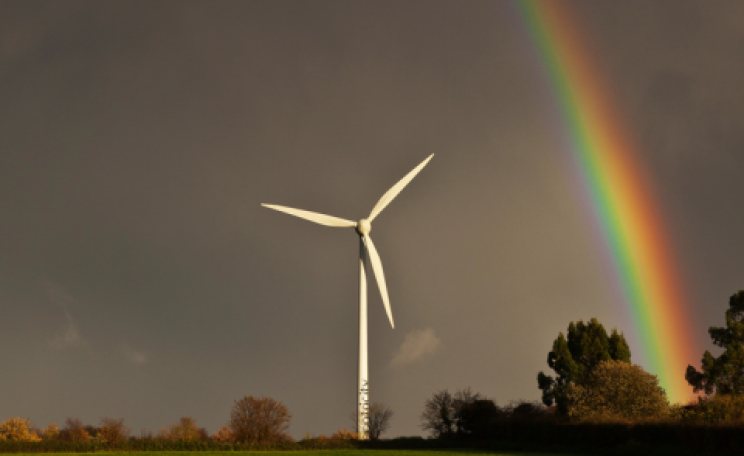
Turbulence lies ahead for the UK's wind energy sector, writes Rebecca Cooke, as key Conservative MPs appear to be launching a hardline attack on onshore wind farms in the run up to the General Election.
A widely publicised study has suggested that eating organic food doesn't stop you getting cancer. Pat Thomas finds the study deeply unconvincing - and wonders why Cancer Research UK is so quick to trumpet its conclusions.
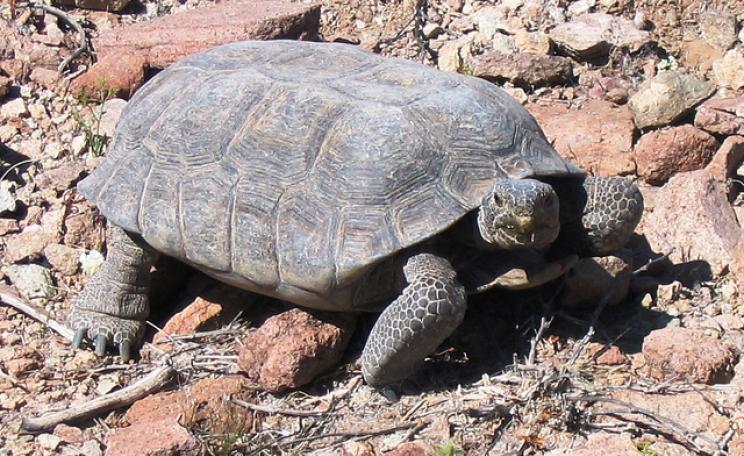
Federal Agencies have capitulated to an armed militia protecting a Nevada rancher running his cattle on 100s of 1,000s of acres of public land reserved for 'threatened' Desert tortoises - despite multiple court orders and over $1 million in unpaid fines.
Australia's poorer communities, with lower employment and education levels, and those with a high proportion of Indigenous people, are significantly more likely to suffer high levels of toxic air pollution. Children are at particular risk from rising levels of lead.
Had enough of being a 'good environmental liberal' - trying to do the right thing while the world gets ever worse? Adam H argues for a Deep Green Resistance that attacks the power structures that perpetrate environmental destruction.
There are now more than 400,000 electric cars on the world's roads - twice as many as a year ago, and on current trends there will be a million by 2016. Leading the market are the USA, Japan and China - while Europe trails behind.
UK-based oil and gas company Perenco is expanding its operations in the Peruvian Amazon - in a remote area known to be inhabited by highly vulnerable indigenous people living in 'voluntary isolation'. But as David Hill reports, Perenco denies their existence ...
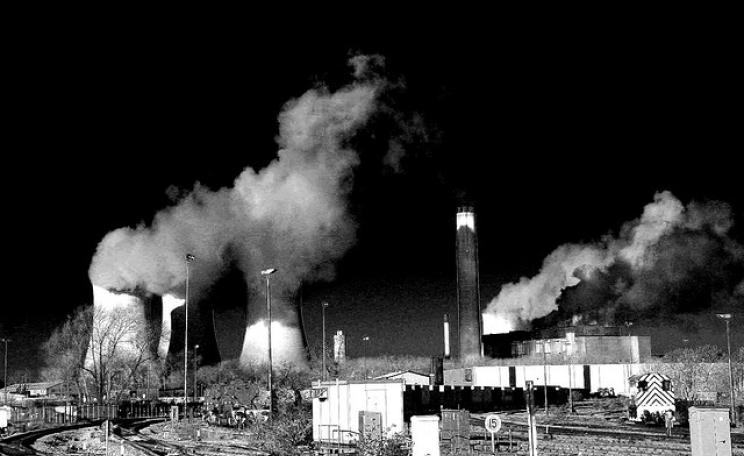
The latest IPCC report urges a dash for gas to allow us to reduce the burning of coal, including shale gas from fracking. But as Alex Kirby reports, their calculations appear to be based on an arithmetical flaw.
Wales has an enviable record of declining BTB in cattle - without having to kill a single badger. Jan Bayley explains how Wales's combination of frequent testing and exacting biosecurity has succeeded - and how England can learn from Wales's experience.
Green growth is a myth, writes André Reichel, because it ignores the social, political and personal dimensions of sustainability. Instead we must plan for economic 'de-growth' - and go for growth only in the areas that really matter, like culture, learning and joy.
Th latest IPCC climate change report says that averting catastrophe is eminently affordable, reports Damian Carrington. A global roll-out of clean energy would shave only a tiny fraction off economic growth, and bring huge benefits in clean air and energy security.
One evening in March, wind delivered over 10,000 MW of electricity to Texas's power grid, almost 30% of total demand, reports Ian Partridge, and another 18,500 MW of capacity is under construction. So just why is Texas going so big on wind?
The issues surrounding powerful new technologies from GMOs to nuclear power appear disparate, writes David King - but look harder and most are linked by common threads. Key among them are issues of profit, control and socialisation of cost ...