A pilot study of American mothers' milk has found levels of the herbicide glyphosate around 1,000 times higher than allowed in European drinking water. Campaigners are demanding a ban on the use of glyphosate on food crops.
You would think vets would take animal welfare seriously, writes Lesley Docksey. So why does the British Veterinary Association (BVA) support England's badger cull - when all the science is telling them it's both cruel, and ineffective against Bovine TB?
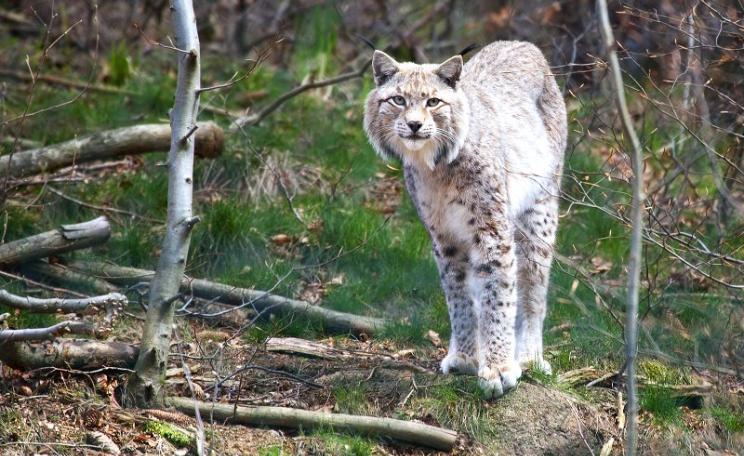
Lynx could be re-introduced to sites in England and Scotland before the end of 2015, according to the Lynx UK Trust, which has just issued polling and survey results that show strong support for the idea among the UK population.
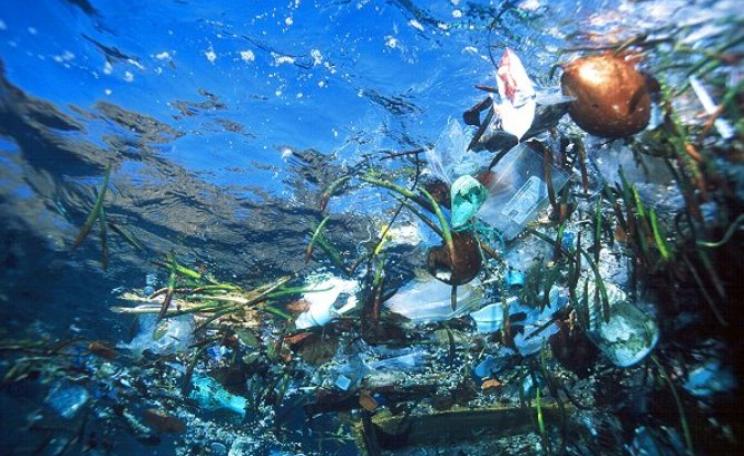
Eighty percent of marine rubbish originates on land - via storm drains, overflowing landfills, and uncontrolled dumping in rivers. And once it's in the sea, no one is responsible for it, writes Alistair McIlgorm. It's high time for governments to clean up their act.
Singer-songwriter Kristin Hoffmann reflects on the natural and divine inspiration that underlies her music, and urges us to both listen and play to rediscover the inner harmonies that are so easily obliterated by the brute cacophony of industrialism.
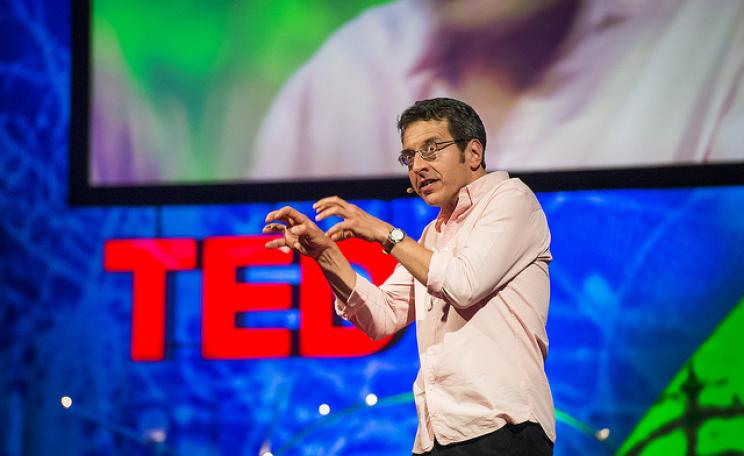
Marking 'Chernobyl day' 2014, a website is launched that calls for the arrest of writer George Monbiot for 'Nuclear Crimes against Humanity and the Environment'.
Barys Piatrovich recalls the tension of unknowing during the days that followed the Chernobyl disaster. Today, barely any of the evacuees are still alive. Dispersed throughout the country, they died alone and unnoticed, statistically insignificant.
It was 28 years ago today that Reactor 4 at the Chernobyl nuclear plant in Ukraine ruptured and ignited, sending a massive plume of radiation across Europe. Jim Green assesses the scientific evidence for how many people died as a result of the catastrophe.
The world is facing the imminent threat of severe climate disruption from the warming Arctic, write Robert & Jack Hunziker, leading to a global crisis. But the response of the powerful is only to increase fossil fuel exploitation - and damn the consequences.
New York has approved a major expansion of the state's 'NY-Sun' initiative - a program that is boosting solar power across the state. The program has been extended through 2023 and aims to deliver a tenfold increase in the clean energy source.
For the US fracking industry - and for Vice-President Joe Biden - fracking is more than just a way to bring in vast amounts of cash, writes Steve Horn. It's also a key weapon in the US's long war with Russia, as Biden made clear this week in Kiev.
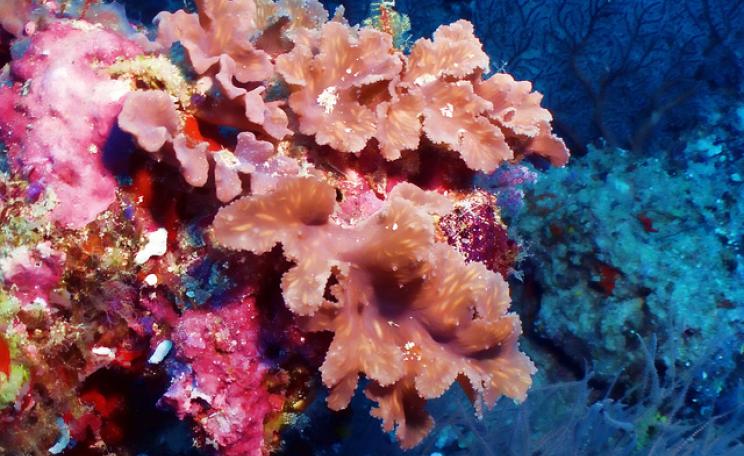
It is widely predicted that low-lying coral islands will drown as sea levels rise, writes Paul Kench - leaving their people as environmental refugees. But new evidence suggests that these small islands are more resilient to rising seas than we thought.
Ethiopia leads the way in preserving crop seeds by engaging farming communities in the effort, and making the exchange of seeds part of village life and culture, reports Claire Provost. But now it's all at risk from a G8 plan to open Africa to corporate agriculture.
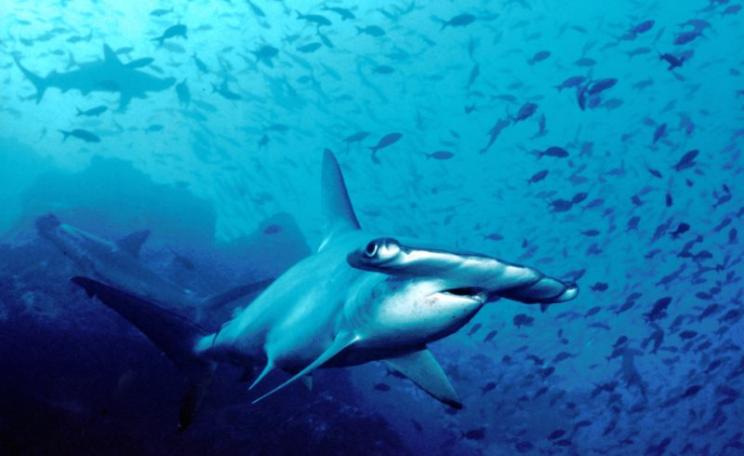
A Pacific island paradise 340 miles from Costa Rica's coast should be the ideal place for marine conservation, write Julia Baum & Easton R. White. But while its waters are indeed teeming with life, steep population declines in key shark and ray species show that stronger protection is badly needed.
In 2011 Bob and Lisa Parr filed a lawsuit in the Texas courts against Aruba Petroleum after they suffered health damage which they attributed to pollution from fracking wells. They have now been awarded $3m damages.