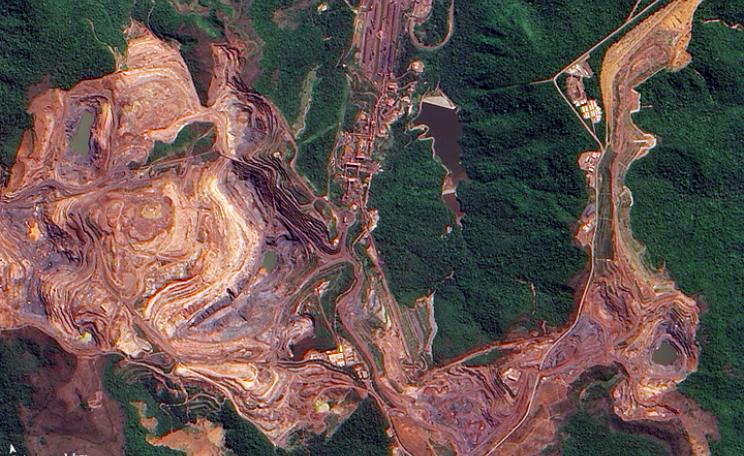
The Amazon basin faces 'ecosystem collapse' according to a new report about hundreds of major dams and other mega-projects planned for the region - home to the world's greatest rainforest. David Hill reports.
The UN has specialist organizations for trade, health, labour, maritime affairs, intellectual property, tourism and Palestinian refugees - but none for the environment. Isn't it time that changed? Lucien Georgeson believes a WEO would bring substantial global benefits.
Heathcote Williams remembers India's great campaigner Professor Nanjunda's whose direct actions against Monsanto, KFC, McDonalds, Coca-Cola and the WTO inspired a nation and created an unstoppable movement of 10 million ...
Senior Gloucestershire police were questioned this week about the policing of the 2013 pilot cull, writes Lesley Docksey. But the Police Commissioner never asked about the most serious problems - police bias and ignorance of the law, and culler criminality.
Talis Kalnars was a pioneer of 'continuous cover' forestry in Britain, writes Phil Morgan. His woodlands were not only beautiful but profitable, as he nurtured the 'natural capital' of the forest ecosystem, and only harvested the dividend of high value timber.
The Bering Sea is America's biggest fishery - but factory trawlers are ripping the guts out of the ecosystem, writes Jeffrey St.Clair, as they have already devastated fishing communities. Mix in nuclear bomb test fallout - an unlikely savior?
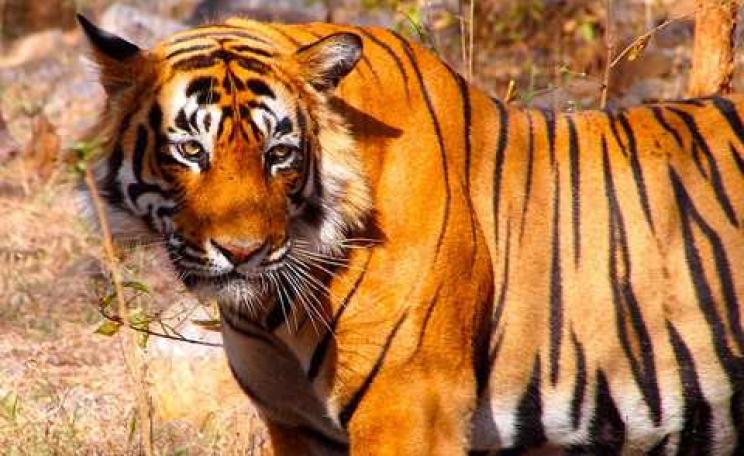
India's conservation agencies are intent on the illegal eviction of indigenous communities from protected areas - even though they are often the best protectors of endangered wildlife. The Similipal Tiger Reserve is the latest battleground.
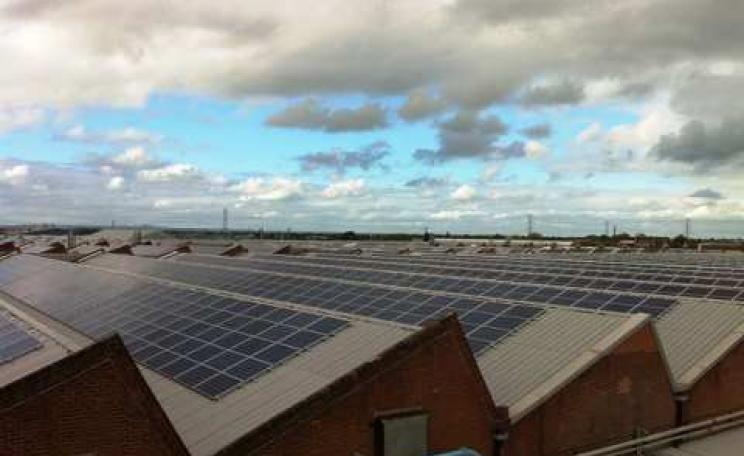
Not only does the Government hate onshore wind, now it's turning against large scale solar. Its latest 'big idea' is to lock projects above 5MW out of the Renewables Obligation, while keeping tight limits on rooftop schemes.
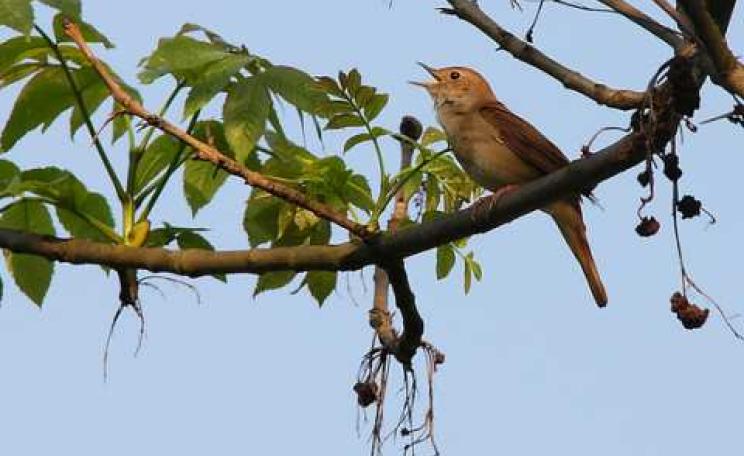
Britain's nightingales are in decline - not least because of intensive farming, and our insistence on building over their last refuges. But their song is as unforgettable as ever, writes Chris Rose, and that will surely be the key to valuing them more ...
Children are an indicator species for the health of our communities, writes Melissa Henry - and they are being forced off our streets by traffic. This adds further to traffic and pollution as children are driven everywhere, depriving them of exercise. It's time to break the vicious circle!
The North Sea's 'Dogger Bank' was once dry land, inhabited by people and herds of Pleistocene megafauna, writes Vince Gaffney. The long-lost world of Doggerland shows how melting glaciers drowned land at the end of the last ice age. And surely not for the last time ...
Since July 2010 the Bedouin village of Al Araqib in the Negev desert has been demolished 68 times, writes Silvia Boarini. Many have fled but those that remain are determined to stand their ground: 'They can demolish us 100 times, but we're not going anywhere.'
Precious Siamese rosewood has been illegally logged to the brink of extinction in the Mekong region to feed a voracious demand for luxury furniture in China which leaves a bloody trail of death, violence and corruption in its wake.
HS2, the UK's £50bn+ high-speed rail project to speed travel between London and Birmingham - and eventually Manchester and beyond is colossal waste of money, writes Rupert Read. The resources should be used to fund sustainable local and regional transport schemes.
David Cameron has promised to suspend incentives for onshore wind farms if he is re-elected in 2015, writes Alan Whitehead. But how exactly will he replace the 8GW of planned wind capacity that will not be built?