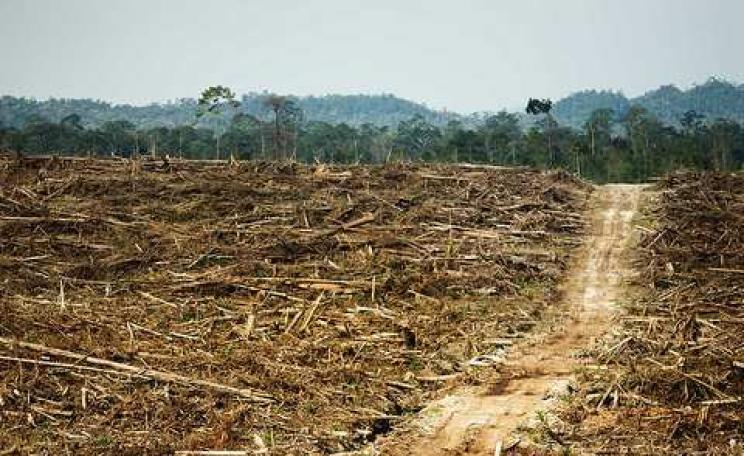
Multinational paper and palm oil companies are rushing to declare 'zero deforestation' policies. It looks like a huge victory for the rainforests and forest peoples, but Peter Gerhardt asks - what is a no-deforestation promise really worth?"
Are we going to run out of minerals? That's the central question of a debate that has been raging for a couple of centuries, writes Ugo Bardi, when it first became clear that minerals are not life forms - and do not reproduce as we extract them from the Earth's crust.
Three very different sustainable energy projects from India are among the finalists in this year's Ashden Awards, writes Chhavi Sharma - all of them inspiring and showing this vast country the way to a clean, secure, affordable energy future for all.
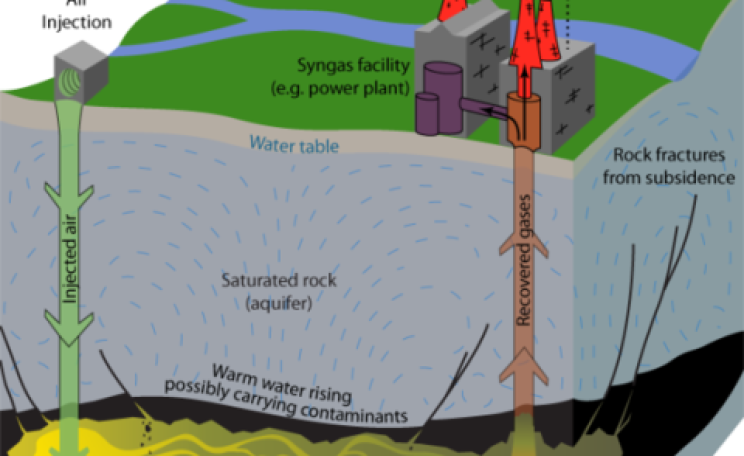
A company bidding to undertake 'underground coal gasification (UGC) - a notoriously hazardous and polluting process - in the UK has threatened a Scottish clean energy campaigner: shut up or get sued. Paul Mobbs reports ...
The Nazi Holocaust of the Jews is rightly remembered and commemorated, writes John Lennon. But the 'porramjos', the Nazi murder of as many as half a million Romani people, is largely forgotten. Worse, echoes of the Nazi past can be heard again in the rhetoric of modern-day fascists.
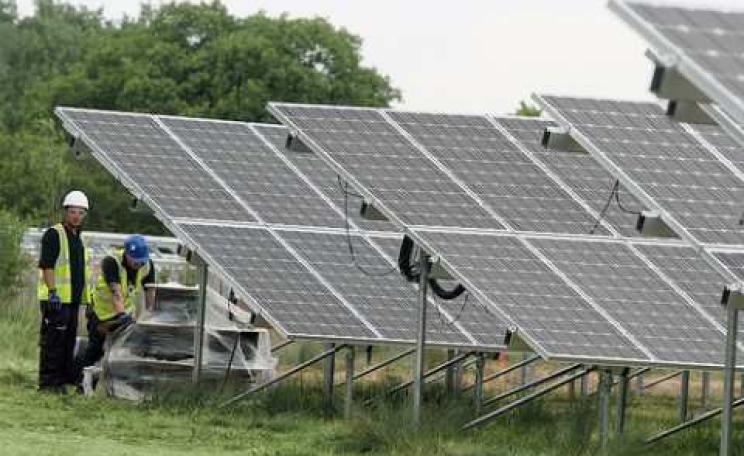
By publishing its 'reform' proposals for the support of large scale solar PV in two separate documents on the same day, the Government managed to conceal its true intent from the industry, writes Chris Goodall. The truth is much worse than anyone realised.
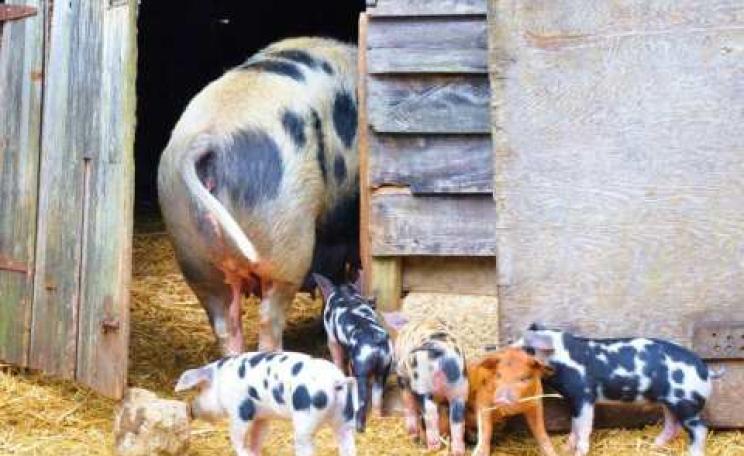
Organic certification used to be carried out by real farmers in wellies, who knew all the tricks and could spot dodgy practice on the land at 100 paces, writes Julian Rose. Today's certifiers arrive in patent leather shoes and get no further than the office - and this is meant to be an improvement?
Rising greenhouse gas levels are causing stronger winds over the Southern Ocean. It's good news for Antarctica, writes Tim Radford, as the circumpolar winds are keeping its ice caps cold. But Australia is getting hotter and drier - and its problems will only increase.
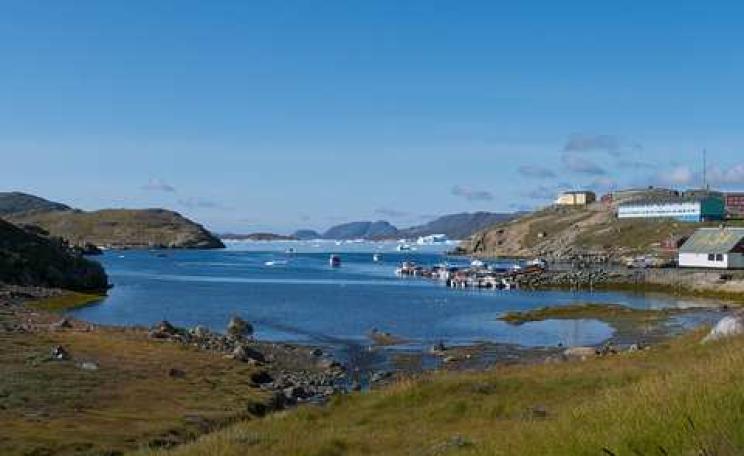
Last October Greenland repealed a law that banned uranium mining. Now mysterious Australian mining companies are staking out the country for exploitation. But as Antony Loewenstein reports, local fears are growing, and political opposition is heating up.
Sixty-four environmental and community groups have filed a petition to the EPA demanding federal limits on toxic air pollution from oil and gas wells which threaten the health of 150 million Americans.
Most of Europe is in a state of low economic growth, and it's likely to go on for a long time yet. So let's get good at it, writes Rupert Read, and build 'post-growth' economic systems that work for people and the environment - not just plutocrats.
Financial experts warn investors that their money is being used by oil companies for high-risk projects, reports Paul Brown, on the assumption that oil prices will go on rising, with little or no regard for climate change. $1.1 trillion could be at risk.
Former Shell oil boss Mark Moody Stuart's ableptic, self-satisfied book on 'responsible leadership' left Danny Chivers seething. The sooner we stop caring about the opinions of the Moody-Stuarts of this world, he concludes, the sooner we're likely to improve it.
The mighty Grocery Manufacturers Association is to sue Vermont for making food companies label GMOs in their products. Ronnie Cummins calls on all concerned consumers to boycott GMA companies and products - starting with their 'traitor brands' ...
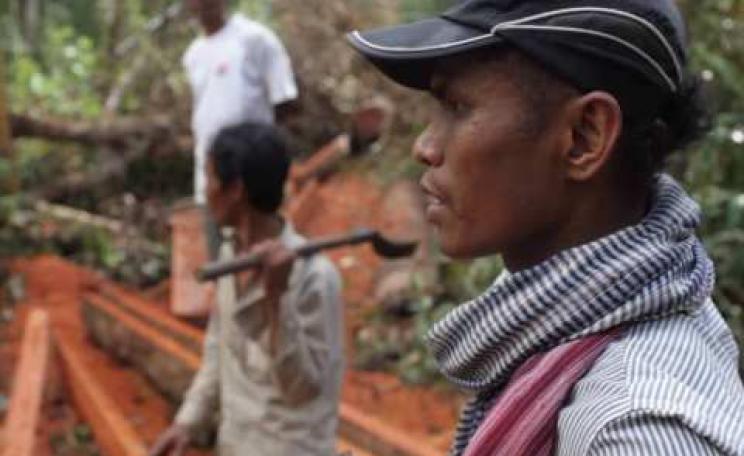
Cambodia's rainforests are facing destruction from clearance for plantations, and an illegal trade in precious timber, reports Fran Lambrick. Local people who depend on the forest have proved to be its most effective guardians - but they need external support.