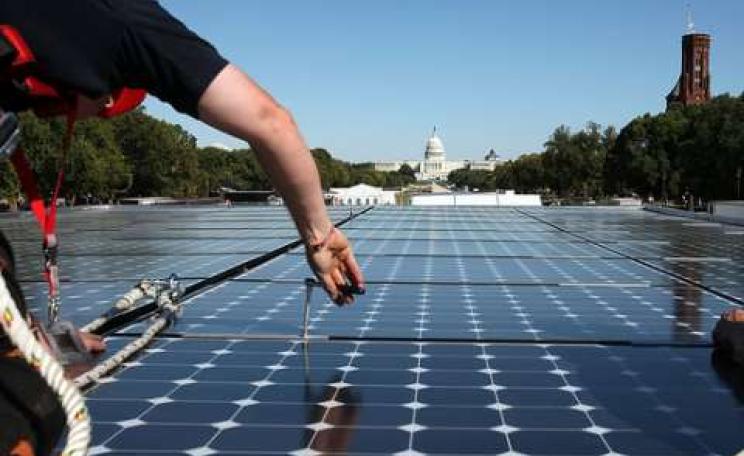
All over the USA, identikit bills and resolutions have been appearing in state legislatures - all designed to suppress the US's growing renewable energy sector. Farron Cousins discovers the shady groups behind it all, and why they are fighting quite so hard.
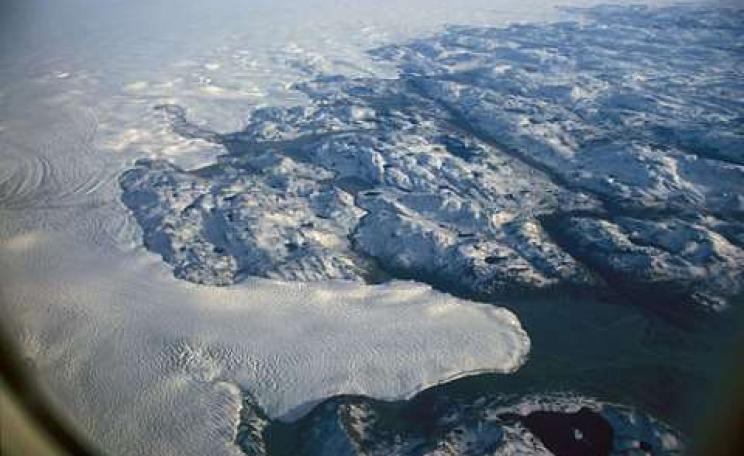
Greenland's glaciers are more vulnerable to global warming than had previously been feared, reports Tim Radford, as ice bodies are undercut by seawater. The threat of rapidly rising sea levels just went up yet another notch.
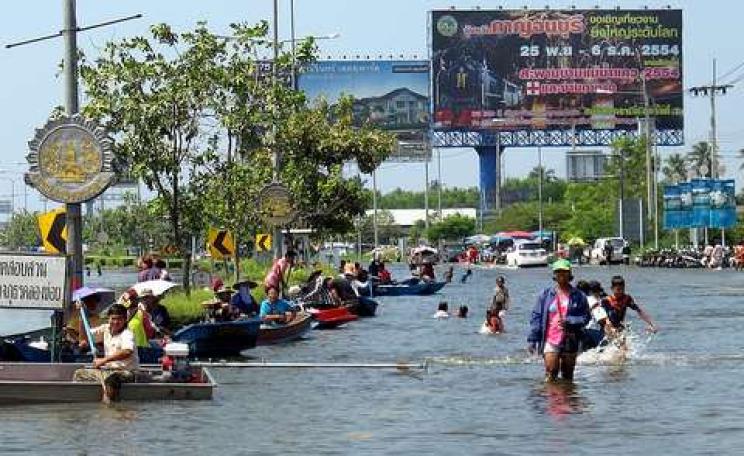
UKIP's election success is a victory for the climate change 'skeptics', writes James Dyke. But head-in-the-sand climate politics will only provoke more mass migration to northern countries in the future - as coastal cities flood, and tropical temperatures rise.
The fracking industry has a blind spot the size of an elephant, Biff Vernon wrote in this Open Letter to Mark Abbott, the MD of Egdon Resources - climate change, and the huge rises in sea level it will cause. 'Only carrying out orders' is no excuse.
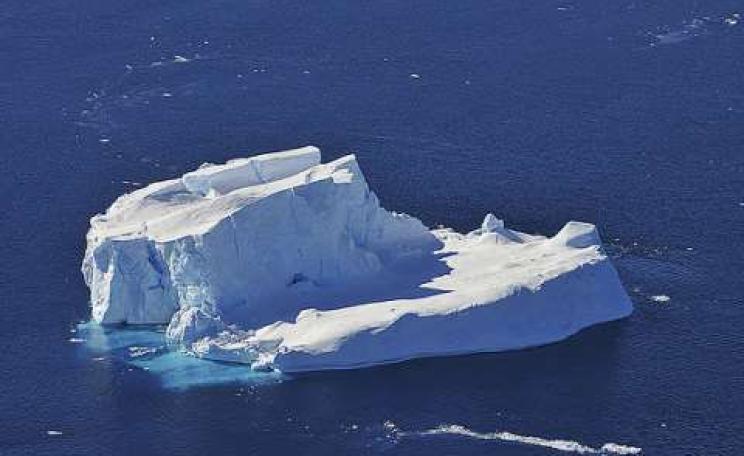
Scientists know that if Antarctica's ice sheets and glaciers collapse, sea levels could rise 5 metres. But the idea that it will take 200 years to happen is based on a linear model, writes Dady Cherry. In fact, the process is exponential - and could take place 'within decades'.
A trip to the Achuar Indians of the Ecuadorian Amazon proved life-changing for Stephen Wallace. Their only desire is to enjoy what they have, and ensure that their children can do the same. But the threat of oil is casting a dark shadow of fear over their lives.
Our economies and our jobs depend on mass consumption, argues Oliver Williams. If we all consume less to save the planet, the economy will tank and millions will lose their jobs. The answer is not frugality, but reductions in population.
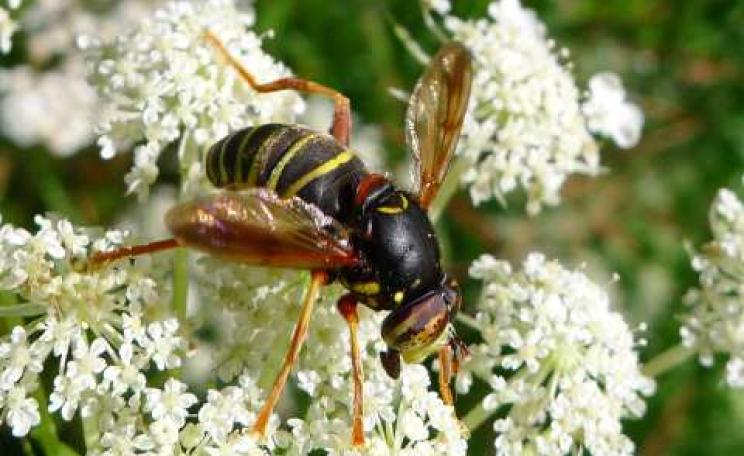
The Swedish island of Runmarö provided Fredrik Sjöberg with a collector's paradise of hoverflies, and the perfect setting for his passionate search through forests, ponds and swamps in the flies' pursuit. Camilla Huxley-Lambrick dissects The Fly Trap ...
Ecuador is facing an unprecedented confrontation between a 'progressive' left-leaning government and a national coalition of indigenous peoples determined to stop vast oil and mining projects taking place on their community land and villages.
Organic farming has changed, but for the better, writes Soil Association head of policy and Norfolk organic farmer Peter Melchett. As never before, organic inspections are central to the delivery of environmental and animal care, and food you really can trust.
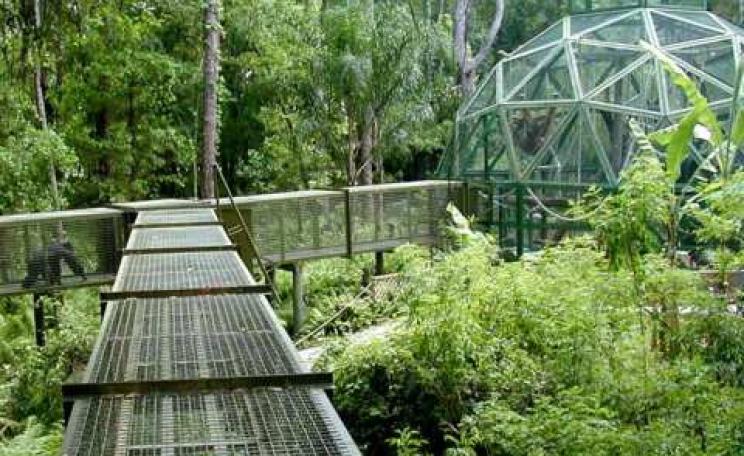
The experience of visiting a zoo is about to change dramatically, writes Robert Young. But far more important than the visitor, zoos will create a far richer, more diverse and stimulating environment for the animals that inhabit them.
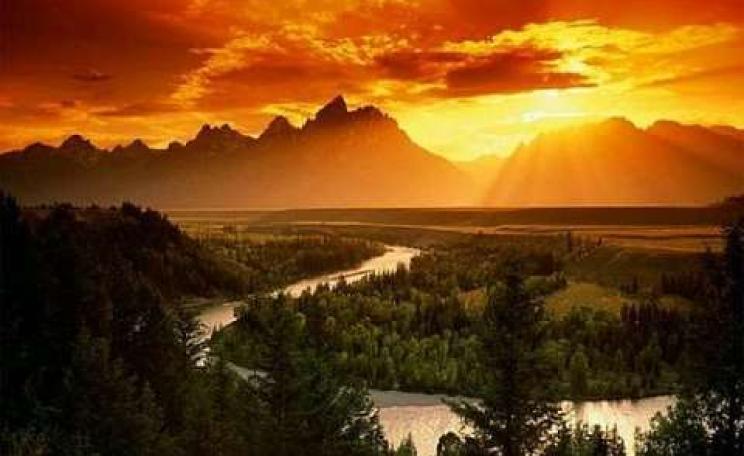
The joy of the wild is rooted deep in the human spirit and without it our lives are starved of a vital nutrient, writes Grant A. Mincy. Only through experience of wilderness and its untamed beauty can we be truly human, and only in wilderness can we open our awareness of the perilous wonder of being, and know the freedom that lies within us all.
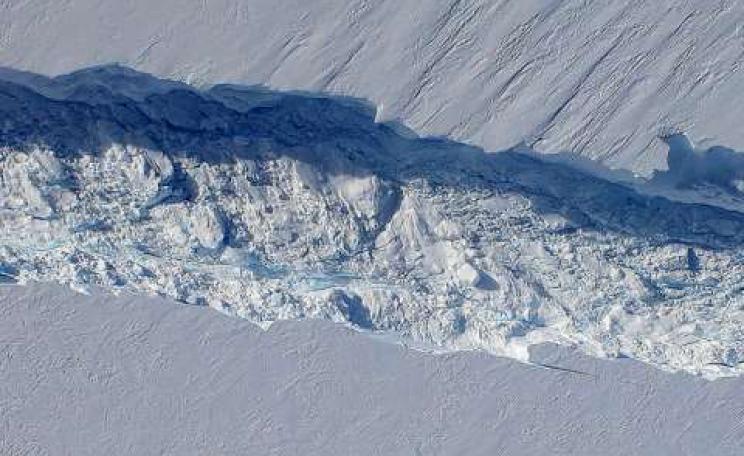
The total collapse of glaciers in West Antarctica is 'inevitable', writes Tim Radford, as the southern hemisphere gets warmer and glaciers are undermined by seawater. The news has emerged from a new analysis of satellite data.
You can actually be better off, healthier and happier with less consumption, says Munasinghe. And it's not just rich countries that need to change, he told Noah Sachs - poor countries too must develop sustainably, or the Earth's resources will simply run out.