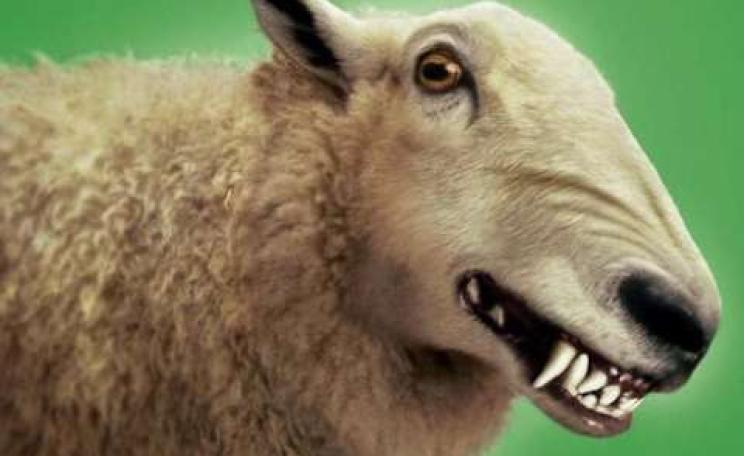
The EU's Environment Council voted today to devolve GMO decisions to member states - in effect allowing pro-GM governments to go ahead. This messy compromise threatens to allow GMO corporations to ride roughshod over Europe.
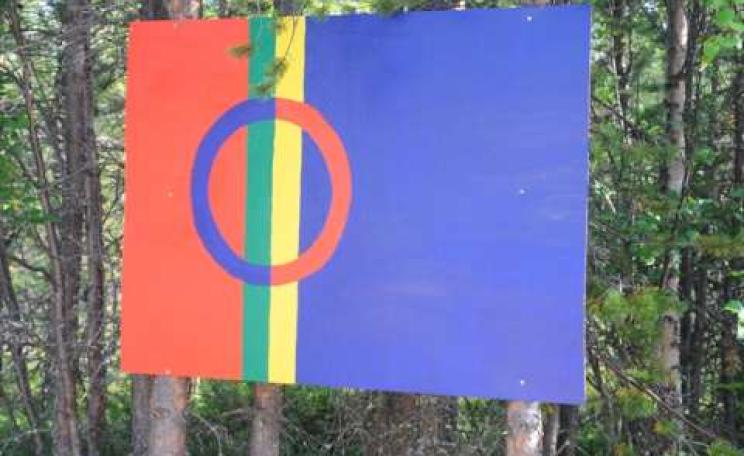
A remote corner of Sweden's Arctic forest has become a battleground, writes Alex Forss, over proposals for a huge iron mine that would occupy a key reindeer migration route. And with their cultural and economic survival under threat, it's a battle the Sami cannot afford to lose.
The cash-strapped Cumbrian Museum is rebranded to tell 'The Sellafield Story'. The UK's favourite scientist Brian Cox and Government Minister Baroness Verma provide razzmatazz along with the Happy Robot. Lollypops anyone?
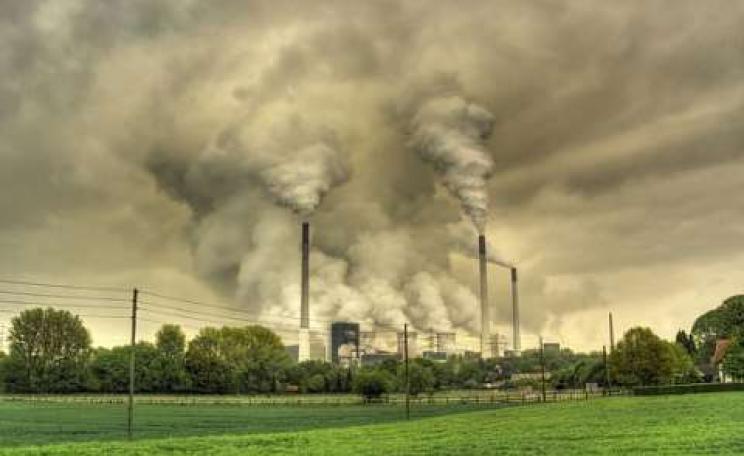
Climate negotiators in Bonn are hammering out the basis of a new global agreement - but have they got it all wrong? Taxing carbon consumption, rather than trying to regulate emissions, could stimulate the low carbon revolution the world needs.
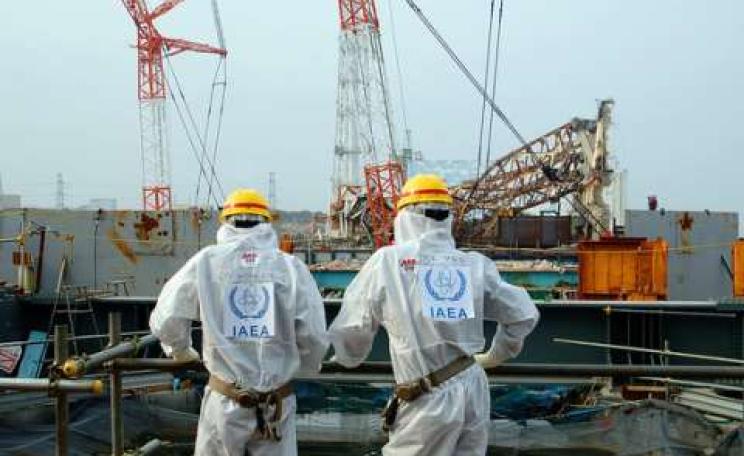
Fukushima has largely disappeared from the mainstream news, writes Harvey Wasserman. After all, who wants to read about children with cancer, continuing huge radiation leaks, and the very real possibility of another catastrophe as big as Chernobyl?
France, Germany and other wealthy countries have positive policies on climate change, writes Steven Herz. So why are they handing out back door financing for new coal power stations abroad via 'export credits'? Over $5 billion from EU countries since 2007 ...
Visit the British Museum's hugely successful Vikings exhibition, and you can't miss the BP branding - a fair price for their sponsorship? No way, writes Chris Garrard, who will join a 'flash-horde' at the Museum next Sunday and give BP its last rites in a Viking longship.
Oil company Soco International is suspending all operations in Virunga World Heritage Site - Africa's oldest national park. It has also committed to keep out of all other UNESCO World Heritage Sites.
Following new research showing that even culling a single badger from a family can cause a 'perturbation' that spreads TB, a new call has gone out on farmers to give up on culling, and 'go badger friendly' to control the disease.
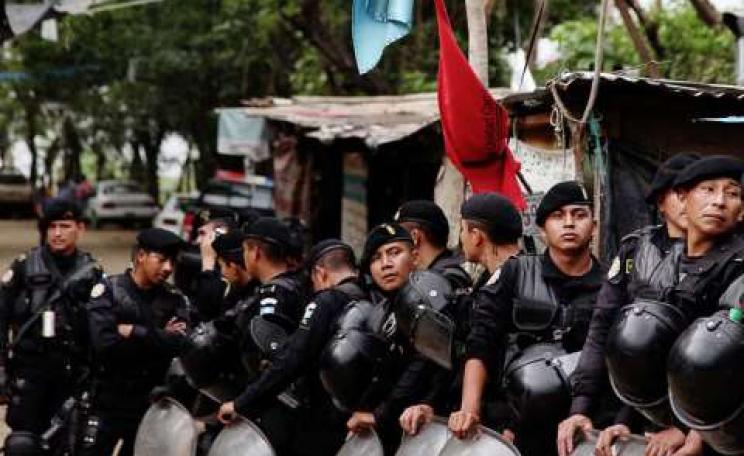
The neoliberal model of 'development' is ravaging nature and pitting communities and eco-defenders against powerful corporations and colluding police and military forces. The violence must stop!
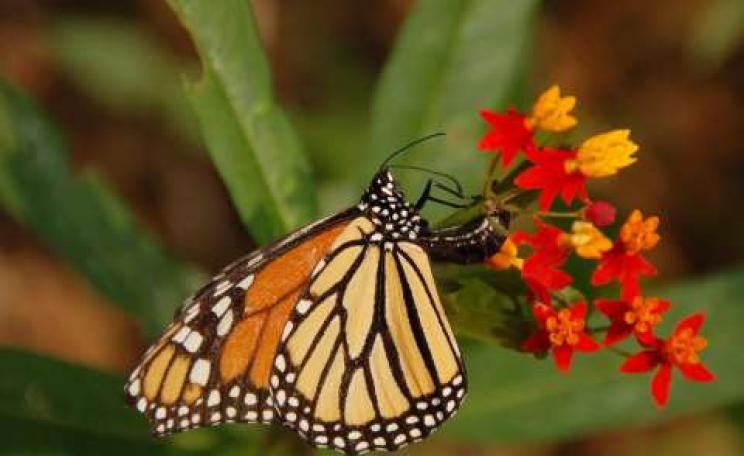
Thanks to herbicide use on GMO crops in the US and Canada, Monarch butterfly numbers have crashed - the milkweeds the larvae feed on now survive mainly in 'conservation reserve' land and roadsides - and there's a 5% chance the Monarch will be extinct within 100 years.
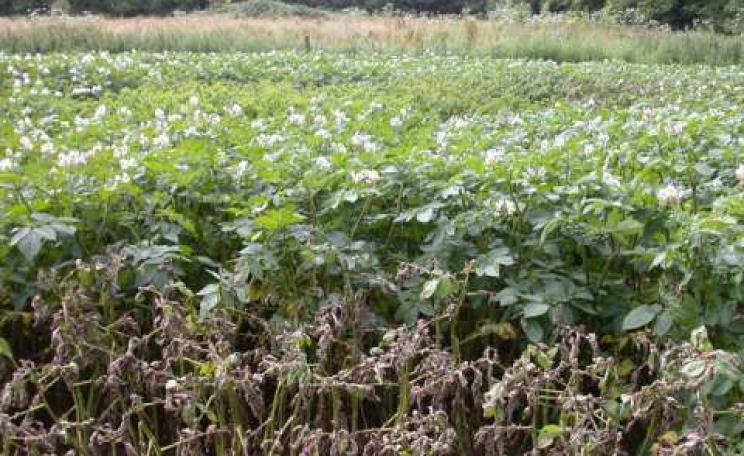
GM companies are exploiting the launch of a new blight-resistant GMO potato to make their case for an EU-wide relaxation of rules restricting GM crops. But as Sophie Brown discovers, we have all the answers to blight already, without a GMO in sight!
There is more to sustainable transport than cutting emissions, writes Nicola Spurling - like reducing car dependence, cutting congestion, and reducing the need for travel. The Tesla Model S is a wonder of engineering, but does little to address the real challenges.
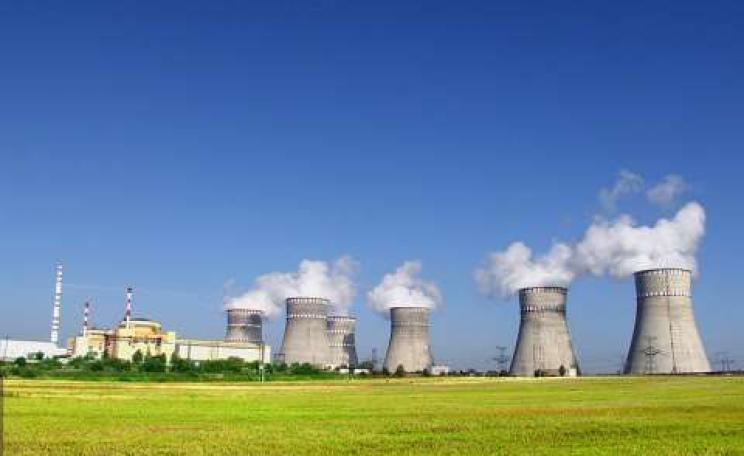
A decision by parties to an obscure Convention has huge implications for Europe's ageing nuclear reactors, writes Jan Haverkamp. Licence extensions must follow EIAs which compare the potential impacts to those of alternatives - including wind, solar and other renewables.
What do the Australian Environment Foundation, the Renewable Energy Foundation and the Global Warming Policy Foundation have in common? They are all fiercely anti-environment, writes William Laurance - and we must beware their 'eco-doublespeak'.