Nuclear power is neither beautiful, nor safe, nor cheap, writes Justin Keating - a message to the United States, where the Obama administration has pledged to waste over $200 million financing the 'Small Modular Reactor' (SMR).
The image of the rancher in the rugged West is one of self-sufficiency and a tough defiance of government, writes George Wuerthner. But the truth is that ranchers, especially those using federal land, depend on a host of generous subsidies, both economic and ecological.
On the first-ever World Giraffe Day, the world's tallest land mammal is threatened by conflict with humans, habitat loss, war, and disease. One subspecies, the West African giraffe, is down to 400 individuals.
Britain's deep-seated environmental and economic problems have nothing to do with immigration, writes Adam Ramsay, and everything to do with our unjust and divisive social order, and the austerity that is being inflicted on us by an oppressive ruling class.
Fish from the high seas are too valuable to be eaten, as they lessen climate change through the carbon they carry down to the ocean depths. The carbon benefits are worth $150 billion every year - almost ten times the value of high seas fish landings.
It may all be over for England, but for Brazil, the battle is only just beginning. Anger over the vast cost of the World Cup - well over $10 billion - and its huge social impacts, is spilling over into a wider fury at massive mega-projects than enrich elites, trash the environment, and leave the poor poorer.
Oxfam's report 'Standing on the Sidelines' lays down a challenge to the 'Big 10' of the global food industry, writes Julia Wright. They must cut their huge carbon emissions, campaign to protect global climate, and rethink their entire mission to encompass health and wellbeing.
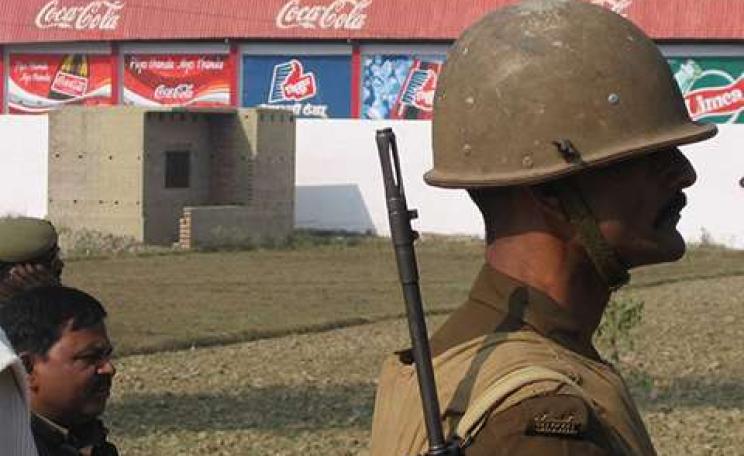
After eleven years of campaigning by local people suffering from water shortages, state authorities have closed Coca-Cola's bottling plant at Mehdiganj, Uttar Pradesh - inspiring campaigners at another three Coca Cola sites in India.
Farming should not only sustain people with healthy food, writes Jigmi Y. Thinley. If humans are to survive on Earth, it must also revitalise nature and sustain vital planetary systems, instead of poisoning and over-exploiting them. And to do that farming must be organic.
The US's drive to become a top global oil and gas exporter by fracking has been blown wide open by a 96% write-down of California's Monterey Shale - meant to hold two thirds of the US's shale oil. How long before the whole enterprise is exposed as a monstrous Ponzi scheme?
74,000 hectares of Tasmania's native forest wilderness will be opened up to industrial logging, writes Jess Abrahams - if Australia's government succeeds in removing its World Heritage status at a UNESCO meeting now under way in Doha.
An internal police document has confirmed what many have long suspected: the Police Liaison Officers 'facilitating' protests and demonstrations are not just there to make friends - they play a 'pivotal role' in intelligence gathering.
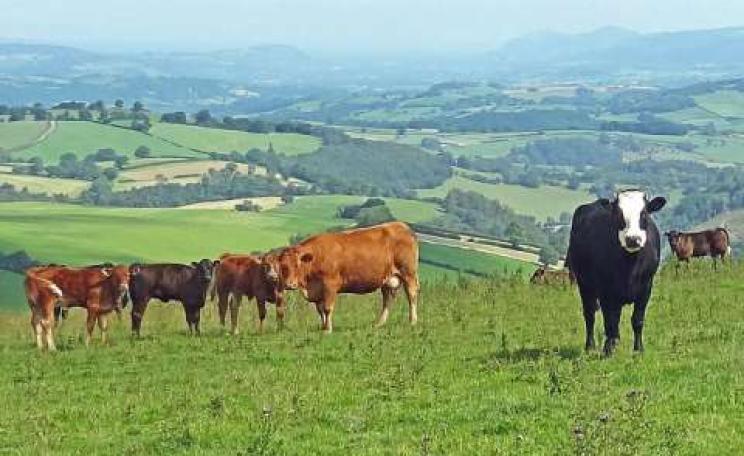
With the 6th International Conference on Bovine TB under way today in Cardiff, Lesley Docksey reports on Defra's latest statistics. BTB in England is falling - and it's falling fastest where the strongest biosecurity measures are in place, confirming the experience of Wales and Scotland.
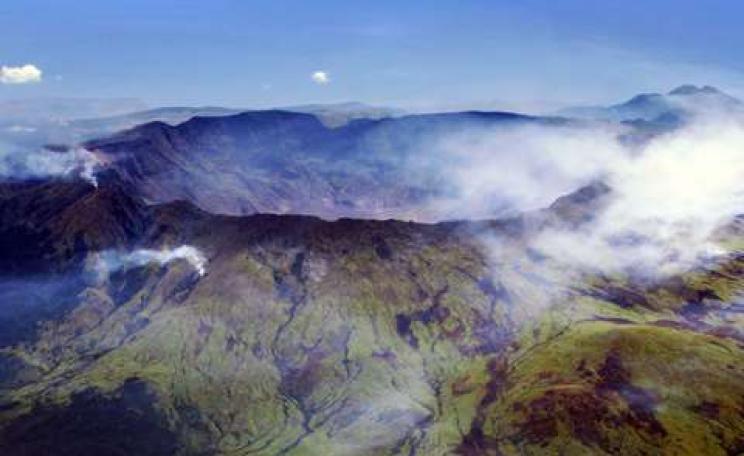
The greatest volcanic eruption in human history changed the 19th century as much as Napoleon, if not more, writes Gillen D'Arcy Wood. Yet how many of us know of Tambora, the climate havoc it unleashed, or the global cholera pandemic it spawned?
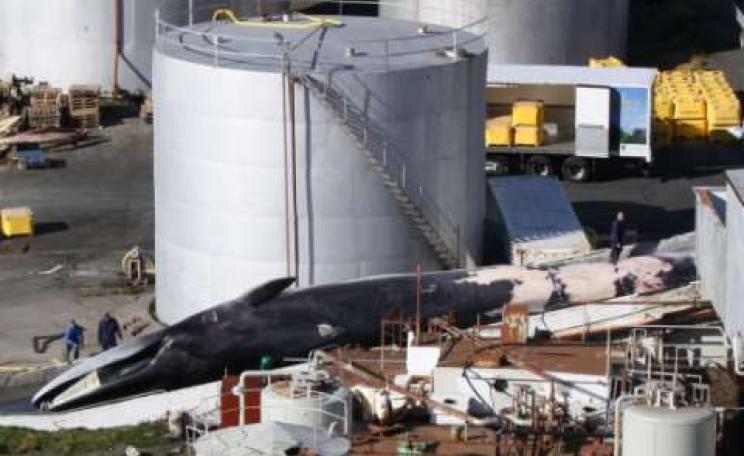
Icelandic whalers made their first kill of the 2014 hunting season - an endangered fin whale, landed today. Campaigners have condemned the hunt, and are calling for a boycott of whaling companies' seafood exports.