If we're serious about cutting CO2 emissions, there's no place for nuclear power, writes Ian Fairlie - because it's the least cost-effective way to do it. By far the best way is to improve energy efficiency. But tell the Government the truth, and it'll close you down.
in Ukraine, as in Afghanistan, Libya, Iraq, and Syria, US policy is all about dominating the world's fossil fuel supplies, writes Mike Whitney - in this case, the gas pipelines from Russia to Europe. But the 'great aggressor', Vladimir Putin, is refusing to play his part. So what next?
Log books from British whaling ships more than 200 years ago have given new insights into the history of the Arctic sea ice, reports Tim Radford. A new study reveals that the scale of ice melt in the Arctic over the last few decades is new and unprecedented.
The sale process of the UK's Co-op Group of its entire 70,000 acre farm estate systematically blocked community and cooperative bidders. Not a single such bid was received by the deadline.
Polish PM Donald Tusk is using the Ukraine crisis as a pretext to revive the EU's fossil fuel industries. His proposals spell disaster for EU emissions targets and the wider environment, writes Mark Siddi. Europe's energy future must be efficient and renewable!
The European Parliament votes today on the TTIP 'trade' deal, described as a 'Bill of Corporate Rights' that will undermine democracy in both the EU and the US, writes Polly Jones. But given the extraordinary secrecy that shrouds the negotiations, few of the MEPs themselves really know what they are voting on.
A new scientific paper presents the radiation produced by fracking as 'natural' and harmless. But it's based on sketchy data, hyperbolic statistics and questionable assumptions, writes Paul Mobbs. Is it an attempt to stifle an essential public debate?
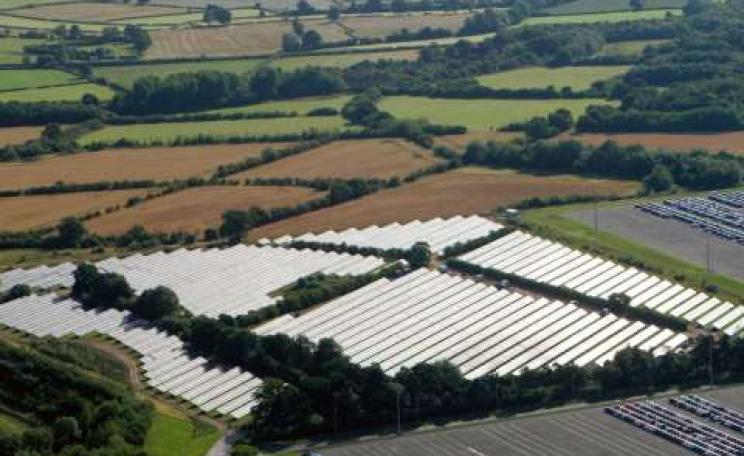
With the Government wilfully undermining the UK's small but fast-growing solar power sector for the second time, Jonathon Porritt wonders ... why the attacks on what is our second lowest cost source of renewable energy, and getting cheaper all the time?
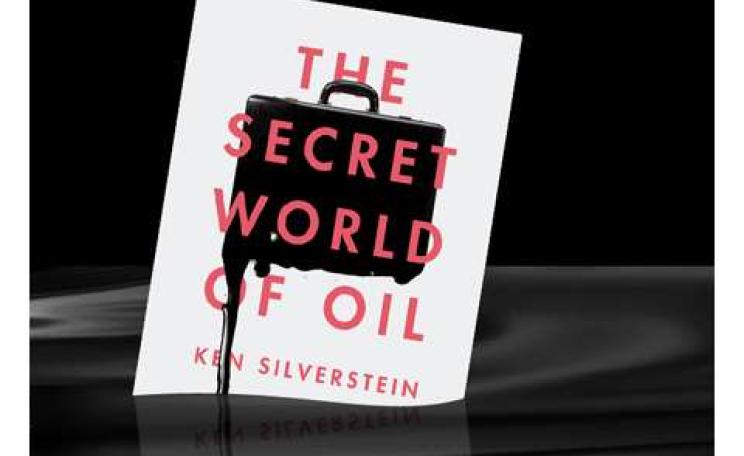
In Ken Silverstein's 'The Secret World of Oil', Louis Proyect investigates the uber-wealthy middlemen of oil, inhabiting a pampered universe of moral squalor and depravity - one in which Tony Blair found himself completely at home.
Networks of recycled smartphones are powering a crack down on illegal logging and poaching, writes Alex Kirby. The technology will help combat devastation of trees and wildlife in threatened habitats worldwide - beginning with Africa.
The US Fish and Wildlife Service has done pioneering conservation work to save North America's endangered Red Wolf, under threat from shooting and inter-breeding with coyotes. But now federal budget cuts are putting all that - and the Red wolf itself - at risk.
Ample peer-reviewed science says that the number one threat to condor survival is lead poisoning from eating bullets and pellets in carcasses, reports Dawn Starin. But the powerful NRA is fighting hard against bans on lead ammunition.
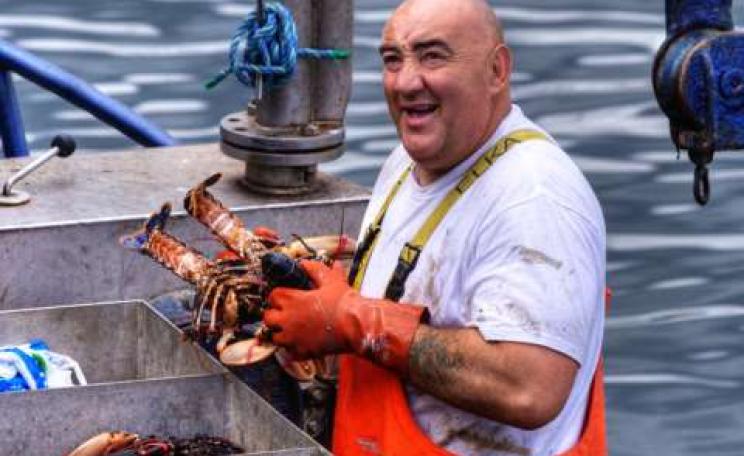
Fishing quotas were meant to conserve stocks and support fishing communities, writes Emma Cardwell. But they have achieved the reverse - rewarding the most rapacious fishing enterprises and leaving small scale fisherfolk with nothing.
Russia is rich in nature reserves and national parks, writes Mikhail Kreindlin. But the government body meant to be protecting them is in fact promoting logging, building and mining projects. Conservationists are fighting back, but the odds are stacked against them.
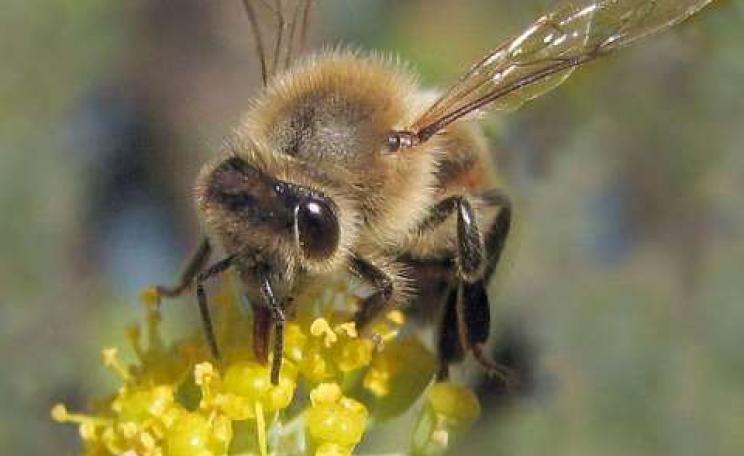
Blaming 'lack of time', Syngenta withdraws its emergency application to use a seed treatment blamed for killing bees. Friends of the Earth and 38 Degrees claim victory - but Syngenta warns: we'll be back!