The United Nations has voted to legislate against human rights abuses carried out by transnational corporations, reports Lucia Ortiz. But the resolution, proposed by Ecuador and South Africa, was opposed by the US and the member states of the EU.
High speed railways connecting Liverpool, Manchester, Leeds, Huddersfield and Sheffield could transform the economy of the north of England, writes Ian Wray - creating a new mega-city that could challenge London's over-dominance.
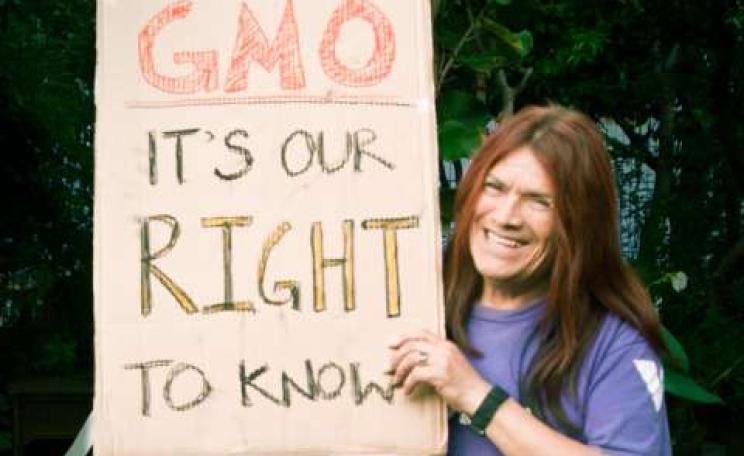
Campaigners for the labeling of GMOs in food are winning their battle against corporate America, writes Ralph Nader. No wonder the corporations are fighting back with lawsuits and scare stories ... they're on the back foot, and they know it.
Massive dams in Sarawak, Malaysia, threaten to flood over 2,000 square kilometers of the world's oldest rainforests, displace 10,000s of indigenous people, and aggravate climate change, writes Amanda Stephenson - all to generate electricity that no one wants.
Tackling global warming with better public transport, increased energy efficiency, renewable energy, clean cookstoves, better waste management could increase global GDP by $2.6 trillion. The alternative is growing risk from harshening climates ...
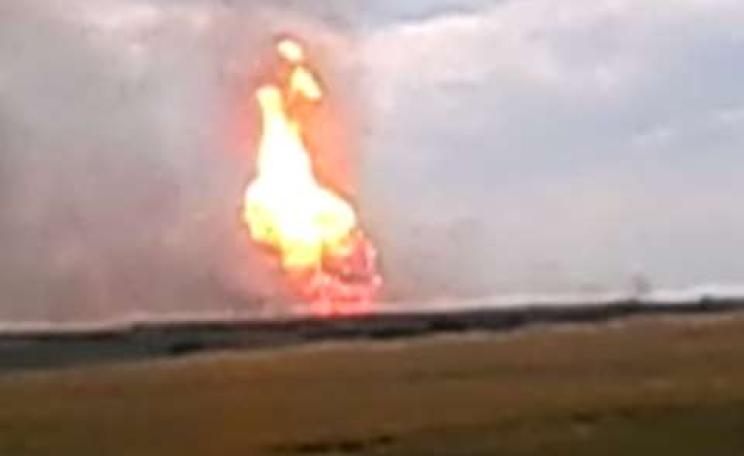
Lord Smith's views on fracking betray an total ignorance of a large body of published, peer reviewed science that contradicts his conclusions, writes David Lowry - not to mention those of his political masters. Is 'groupthink' leading the UK astray?
A Sussex-based forest gardening project has overcome adversity to celebrate its 20th anniversary, writes Jan Goodey. And now it features one of the most eco of eco-builds in Britain, using all local timber, clay, straw ... and wine bottles.
Superpower confrontations and growing tensions in Ukraine, the Middle East and the Arctic are all part of a new Cold War, writes Alexander Reid Ross - and this time Green campaigners are under attack by both Russian authorities and NATO ...
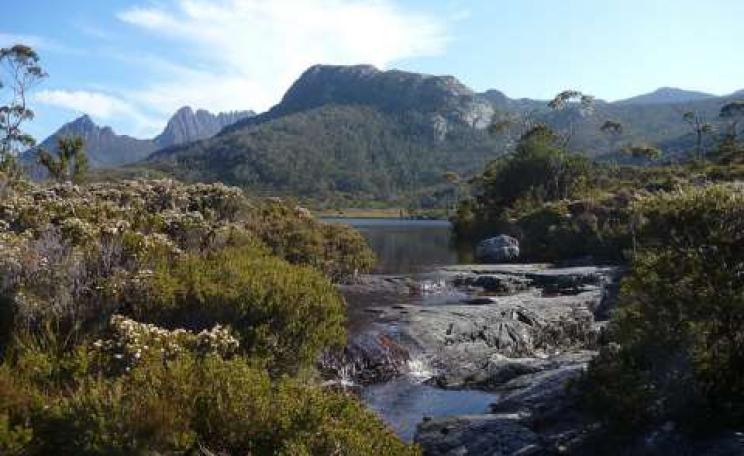
UNESCO has refused to 'de-list' 74,000 hectares of the Tasmania Wilderness World Heritage Area as requested by the Tasmanian and Australian governments, following a 'feeble' presentation.
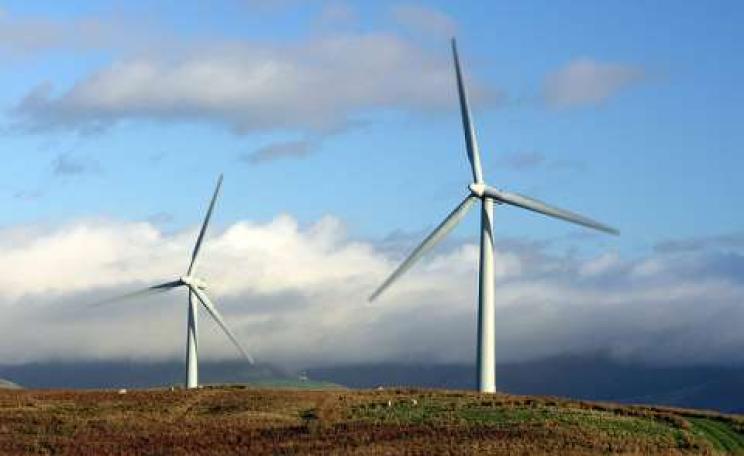
The UK Government's self-declared war on onshore wind farms will make it very difficult for the UK to meet its EU renewable energy targets, writes David Elliott - especially as it cuts support for solar PV. Is the UK's energy policy being written by UKIP?
Intensive grouse shooting on England's uplands is doing huge damage to fragile ecosystems, writes Martin Harper - and to the 'protected' hen harrier. It's high time to bring this industry under control with a new licencing system.
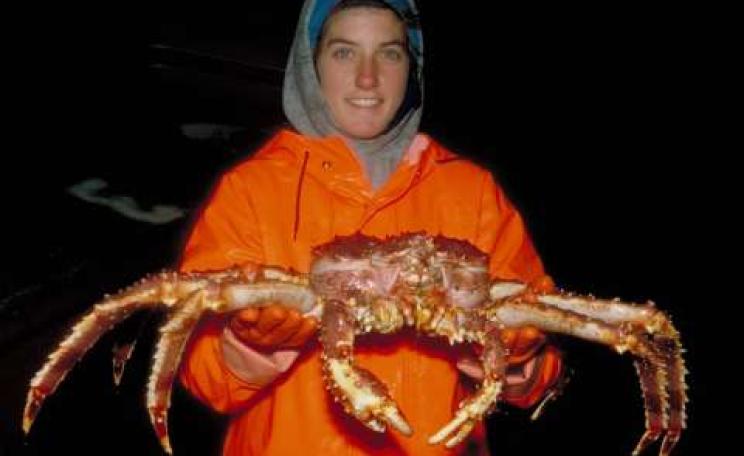
As the Arctic warms and its ice melts, growing numbers freight ships are reaping big savings from the 'Arctic short cut'. But this is creating a huge risk of invasive species spreading in ballast water and on hulls - disrupting both Arctic and temperate ecosystems.
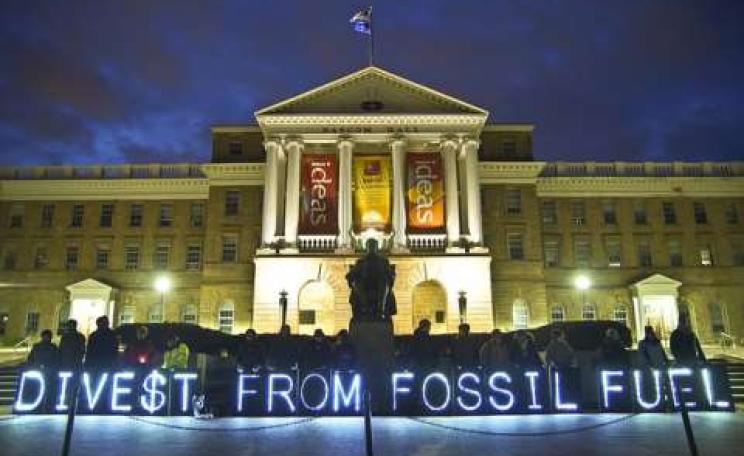
Britain's doctors have voted for their representative body, the British Medical Association, to divest from fossil fuels, writes Tierney Smith - adding valuable momentum to the fast growing global divestment campaign.
In 2012 'skeptical environmentalist' Bjorn Lomborg told The Ecologist that his Copenhagen Consensus Center had poor funding prospects. But now its US arm is flooded with cash - over $4 million since 2008. And as Graham Readfearn reports, only a fraction of it can be traced ...
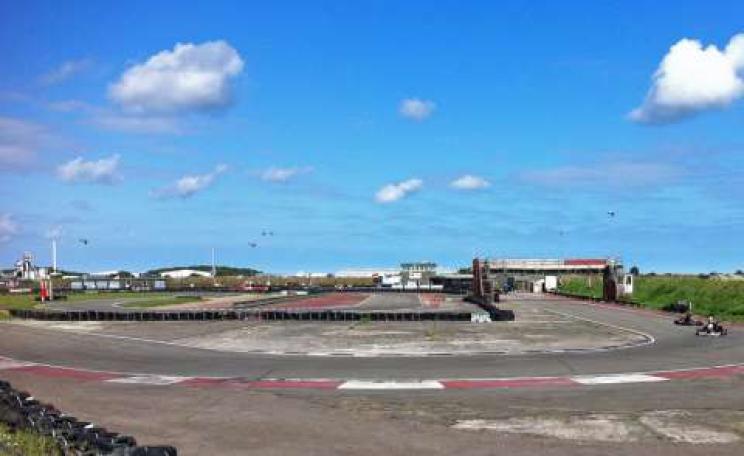
The High Court has overturned a 'fatally flawed' decision by Eric Pickles MP to refuse planning permission for a locally popular 24MW solar farm on former WW2 airfield in Suffolk, England, close to an industrial estate and go-kart circuit.