Recent decades have seen a hardening global clampdown on the rights of farmers to use, save, develop, share, swap and distribute the seeds that produce the food we all eat, writes Andrew Kimbrell - and which constitute an essential common heritage of mankind. Here's his plan to fight back against the seed monopolists ...
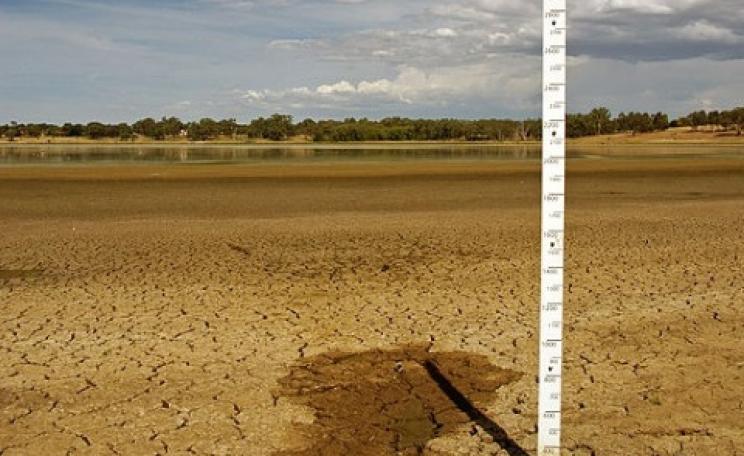
Australia's prime minister thinks climate change is 'crap' and has just abolished his country's carbon-pricing system. But scientists say that it's rising levels of CO2 that are leaving the south of the country parched and sweltering - and it's only going to get worse.
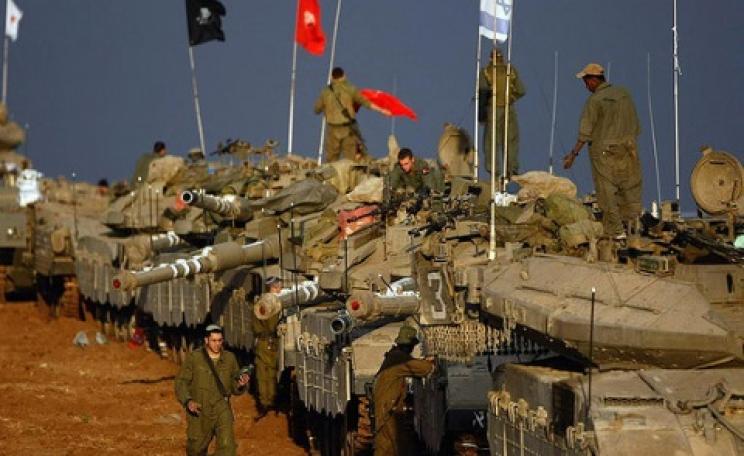
Never mind the 'war on terror' rhetoric, writes Nafeez Ahmed. The purpose of Israel's escalating assault on Gaza is to control the Territory's 1.4 trillion cubic feet of gas - and so keep Palestine poor and weak, gain massive export revenues, and avert its own domestic energy crisis.
The UK's coastal waters are producing little but tiddlers and scallops, writes Jason Hall-Spencer - and to blame is the endless gouging of the seabed by trawlers and dredgers - even in 'marine reserves'. We must allow our marine ecosystems to rebuild!
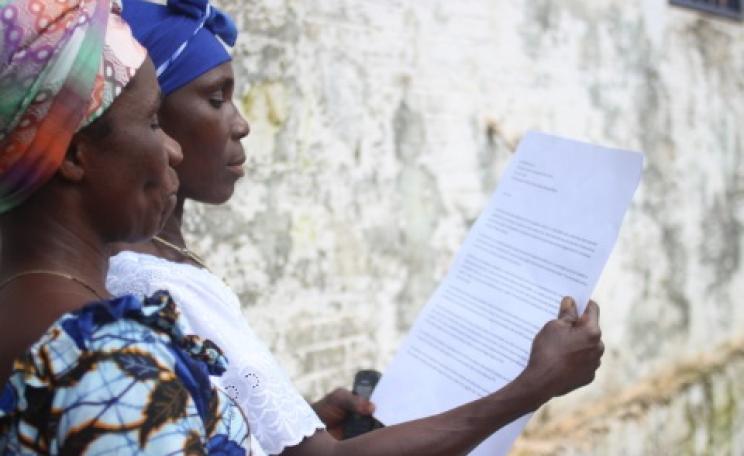
Liberia's Jogbahn Clan is at the forefront of efforts to resist the grab of Indigenous Peoples' land and forests for palm oil plantations. But according to the country's President, they are only 'harrassing and extorting' international investors.
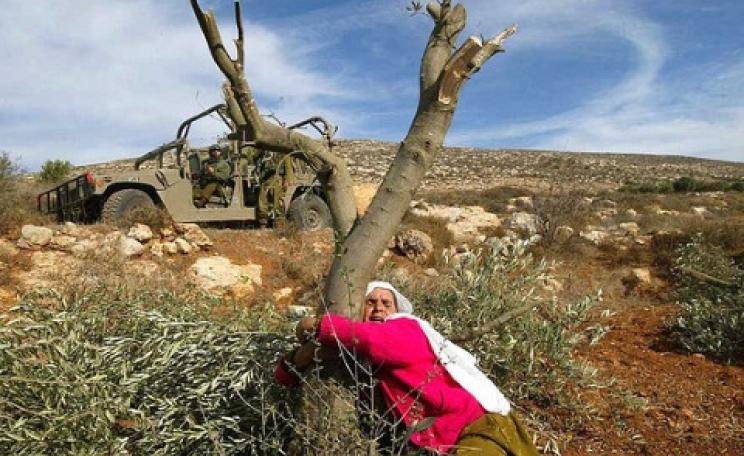
Since 1967, Israeli soldiers and 'settlers' in occupied Palestine have destroyed 800,000 olive trees in an attempt to force Palestinian farmers from their land, writes Megan Perry. 'Our response to this injustice will never be with violence, and we will never give up and leave.'
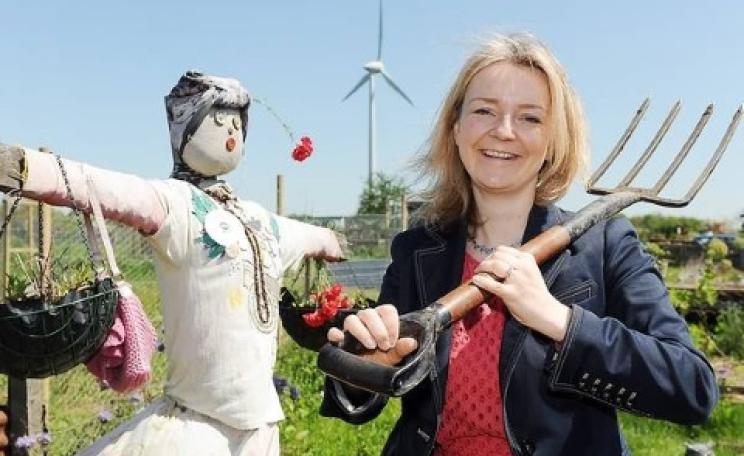
The new Environment Secretary Liz Truss flunked her first 'Green test' today as she told Parliament that the badger cull goes on. We run this excerpt from the Parliamentary record in which she states 'We are progressing with our programme!'
A former Defra minister will introduce a new Bill to Parliament in September to ban wild animals in circuses. It reflects Government policy since 2012 and the Prime Minister has promised 'We're going to do it'. But will he keep his word?
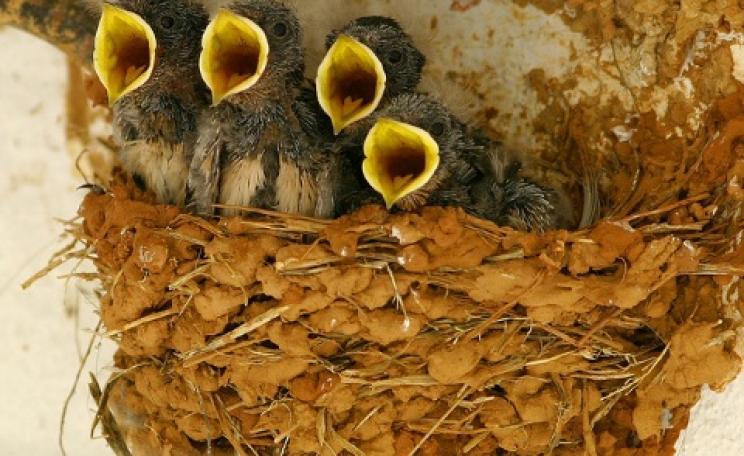
A study published today in Nature shows a strong correlation between concentrations of a popular neonicotinoid pesticide in water, and bird declines, writes Helen Thompson. Regulators are under pressure to tighten up, but the industry still claims there's 'no substantiated evidence'.
Nuclear power advocates believe the technology is essential to building a fossil fuel free world energy system. In fact it is optional, writes David Elliott - and not even very helpful. Efficiency and the 'new renewables' can do the job faster, and at much lower cost.
A failure to act to reduce the impacts of climate change could cost Europe almost €200 billion and 200,000 lives a year, writes Tim Radford. These 'conservative estimates' are published in a new European Commission study.
Israel's armed forces have destroyed vital water and sewage infrastructure in their bombing campaign of the besieged territory, writes Mohammed Omer. This constitutes a severe breach of the 1977 Protocol to the 1949 Geneva Conventions on the part of Israel and all those conceiving, planning, ordering and perpetrating the attacks.
Already 56,000 people have pledged to support a global 'internet seed swap' initiative promoted by Avaaz, writes Julian Rose. Trouble is, the plans are deeply flawed, and have been developed without consultation with major seed saving groups worldwide.
Following The Ecologist's revelation about Ecover's use of synthetic biology to make laundry detergent, the company has put its trials on hold, writes Jim Thomas. But to regain public trust, the company must re-engage honestly with its critics, and its customers.
Brazil's Ilha de Queimada Grande is the only home of one of the world's deadliest, and most endangered, snakes, writes Natasha Geiling. Just the place for Brazil's disgraced football team to escape the wrath of furious fans, if they can only get a permit ...