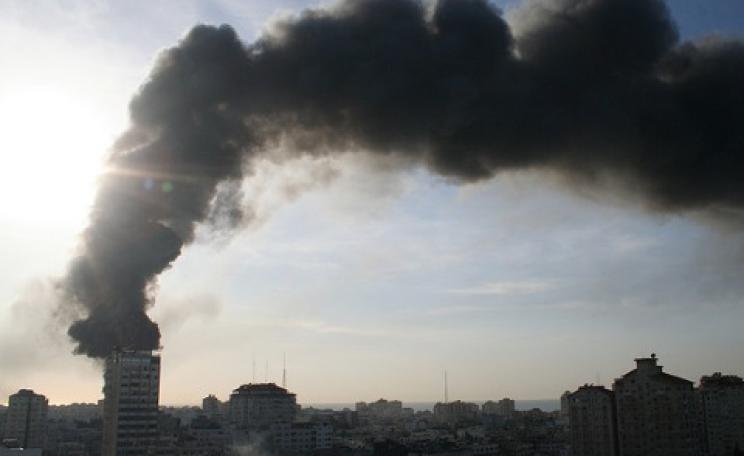
Israel desperately covets Gaza's gas as a 'cheap stop-gap' yielding revenues of $6-7 billion a year, writes Nafeez Ahmed. The UK's BG and the US's Noble Energy are lined up to do the dirty work - but first Hamas must be 'uprooted' from Gaza, and Fatah bullied into cutting off its talks with Russia's Gazprom.
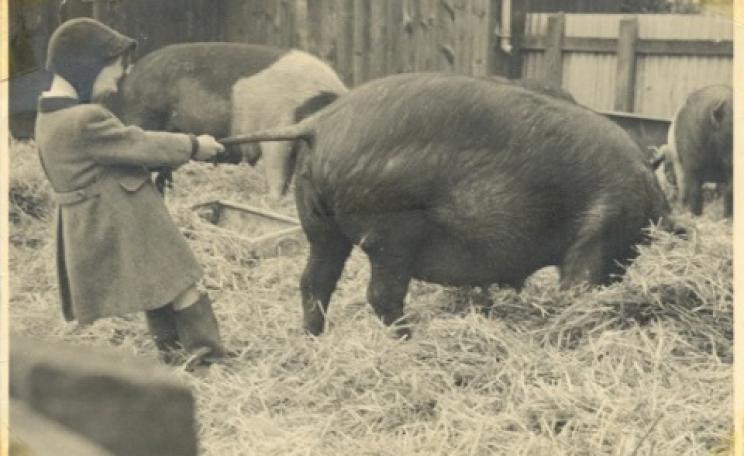
As a youngster on a small farm, antibiotics saved Richard Young's life after a scratch on barbed wire led to septicemia. Now, he's campaigning to stop the routine, mass use of antibiotics on intensive farms, so that they can carry on saving human lives for many years to come ...
Forest-dwellers in Buriram province involved in a land dispute with the Thai government have been forcibly evicted, intimidated, arrested, held without charge, and dumped on a site unfit for human habitation with no water supply.
Surging Chinese demand for rosewood used in 'hongmu' furniture is ruining forests across southern Asia, writes Zuzana Burivalova. As demand surges, China must impose stricter regulations and harsher punishments or the forests may never recover.
The EU's Fuel Quality Directive is set to be the first casualty of the TTIP trade talks, writes Derek Leahy. Canada and the US have threatened to pull out unless the EU ignores the massive emissions of oil from tar sands - and the EU is collapsing under the pressure.
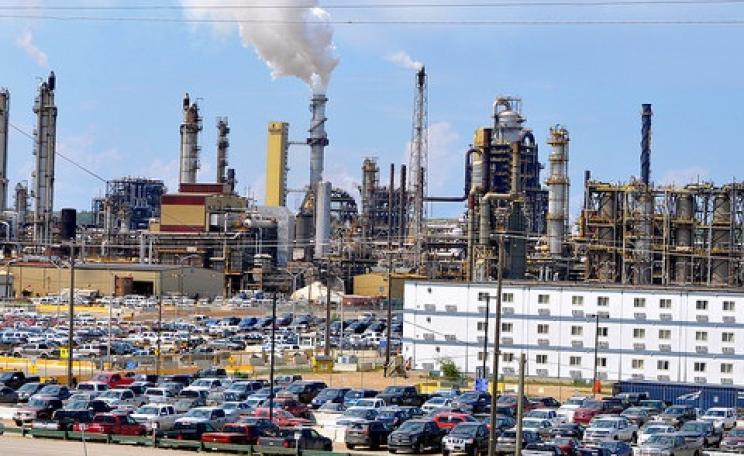
A new report names the 30 biggest sources of greenhouse gases in the EU, writes Kieran Cooke. Coal-fired power plants are undermining Europe's long-term targets on emissions reductions - and the UK and Germany lead the list of shame.
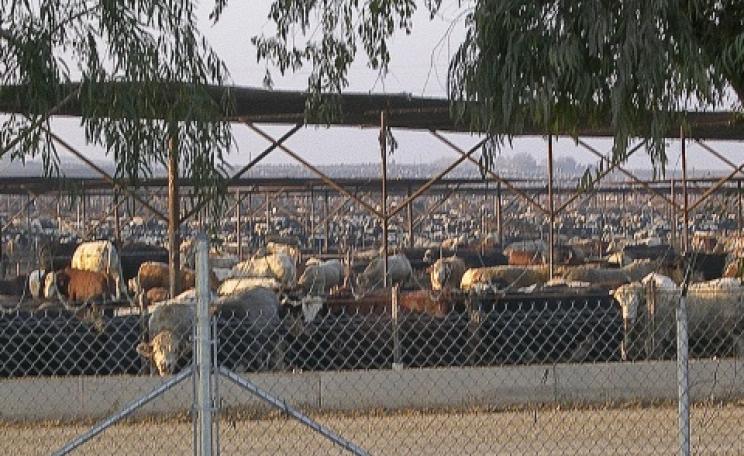
US beef carries a heavy environmental cost in water, land, emissions. But few of us know quite how damaging beef is, writes Gidon Eshel, nor that it is more than five times worse than pork, poultry, eggs or cheese. Isn't it time we did something about it?
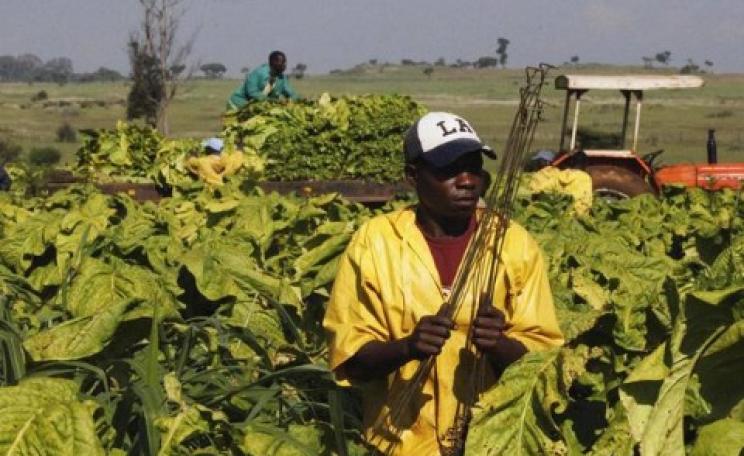
A flood of smallholders that have benefited from Zimbabwe's land reform are turning to tobacco as their crop of choice, reports Ray Mwareya. But the economic gains are coming at a terrible cost - the accelerating destruction of the country's forests.
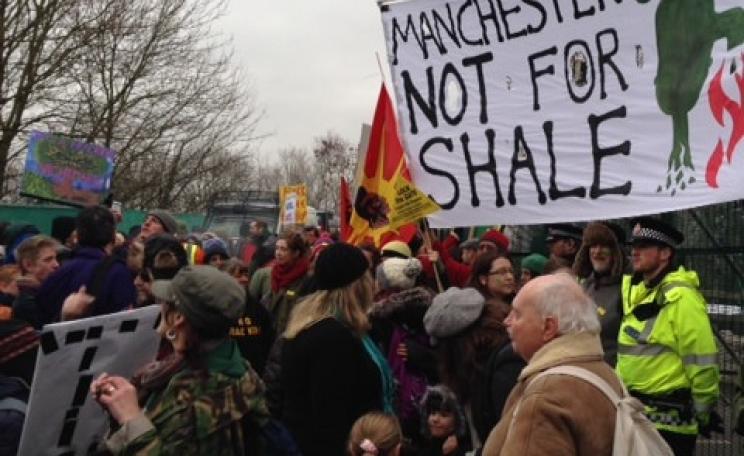
The UK Government's policy is to frack at all costs, against public opinion and compelling evidence of environmental damage and poor returns, writes Paul Mobbs - a timely reminder that as far as the Government is concerned, it has a God-given right to rule over us, no matter what we think or want.
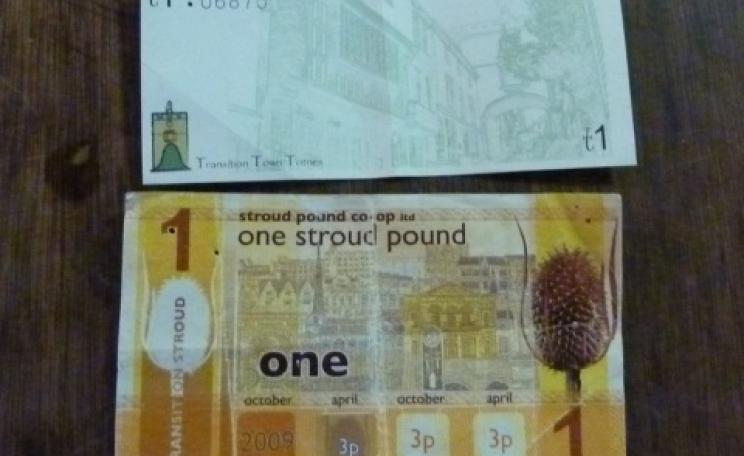
Using local currencies to stimulate local economies and revalue local labour over imported products and resources sounds like a great idea - but recent experiences have proved disappointing. Are there other ways to 'close the money loop'?
The Badger Trust will challenge the trial badger culls in the High Court next month, claiming that Environment Secretary Liz Truss and Natural England are acting unlawfully in failing to appoint an expert panel to oversee the experiment.
California and Texas continue to break new ground in making electricity generation from renewable sources, writes Mike G. Solar PV in particular has become a vital part of the US' energy mix, accounting for half of new generation capacity.
The recent closure of five US power stations is forcing the industry to confront big questions about radioactive waste, writes Paul Brown. Who is to pay the mounting costs of managing the wastes and keeping them secure? And precisely where will be their final resting place?
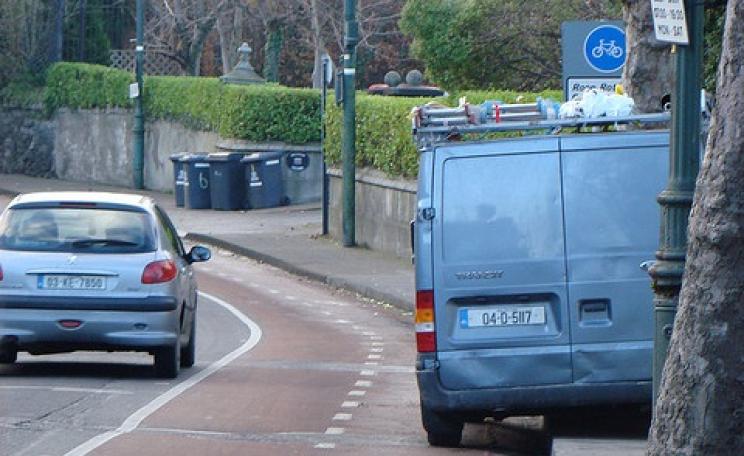
The Commons Transport Committee has advised Government to budget £10 per head to create a safe cycling environment, writes Ian Walker. But that's grossly underestimating the challenge ahead - a major rethink of planning, health and transport policies is needed.