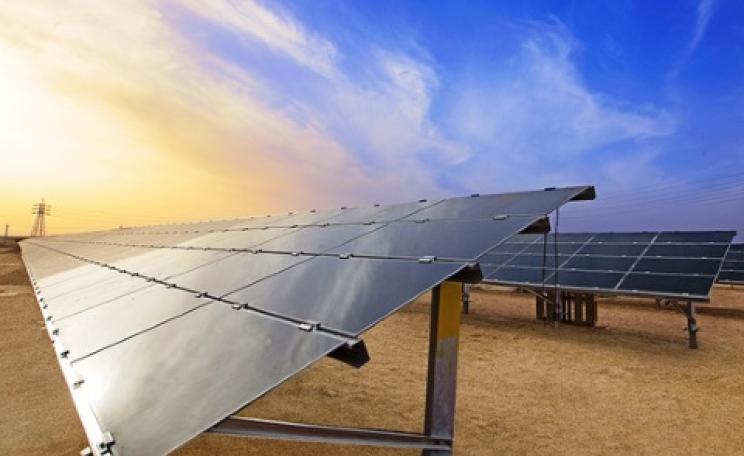
India's economy is hindered by the lack of sustainable and reliable electricity, writes Michael Jacob. But the new government has a plan to bring 24/7 power to every citizen, based on grid renewal, subsidy cuts, and a big rollout of ever-cheaper solar power generation.
As the warring parties fight for control for Donetsk, the country's biggest chemical plant has come under fire, with missiles landing close to pipelines and storage tanks. If released, toxic nitrochlorobenzene could cause widespread death.
Feed-in tariffs are a great way to kick start renewable technologies, writes Chris Goodall. But they suffer from a law of exponentially diminishing returns. It's time for governments to move to direct R&D funding to achieve the transformational changes the world needs.
An earless species of monitor lizard from Borneo has suddenly erupted into the international trade among pet keepers and reptile collectors. Although it is protected within its range, there are no restrictions on international trade in the species. An urgent CITES listing is desperately needed!
Trees in cities make us feel happier and more relaxed, writes Pat Thomas, but that's only the beginning of the benefits they confer. They also reduce air pollution, levels of asthma and other respiratory problems, and lower healthcare costs by $7 billion in the US alone.
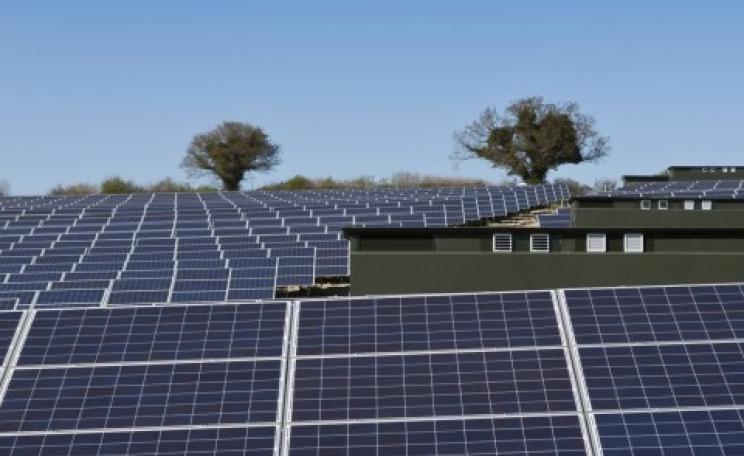
Four large solar firms are suing the British Government over its decision to end support for 'farm scale' solar generators of 5MW or more. The move reflects ministerial concern about the success of the UK's fast growing solar power sector.
GM crops may benefit agribusiness, writes Andrew Adam-Bradford. But they offer little to Africa or the millions of farming communities that feed the continent. Rather than impose corporate 'solutions', governments should invest in indigenous agro-ecological farming.
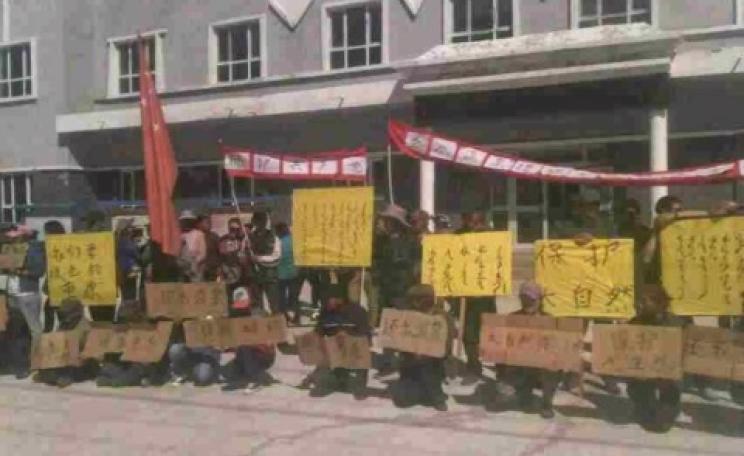
In China's remote Mongolian region, indigenous herders are being forced from their traditional pastures to make way for roads and vast mining projects. Last week they held a public demonstration - but it was immediately dispersed with ten arrests.
Last week the Upper Tribunal of the Royal Courts of Justice ordered Defra to release key information about the badger cull based on a 'public interest' argument, writes Lesley Docksey. Could this judgment open a new era of transparent and accountable government?
If the state does not defend citizens against the violence and destruction of mining, people and communities must defend themselves, writes Raul Zibechi. And in Peru and Colombia that's exactly what they are doing, re-asserting indigenous control of the land and its resources.
What's the biggest threat to your life savings you've never heard of? Rebecca O'Connor shows how the world's exposure to unburnable carbon assets, and competition from clean energy technologies, could hammer your savings, pensions and investments.
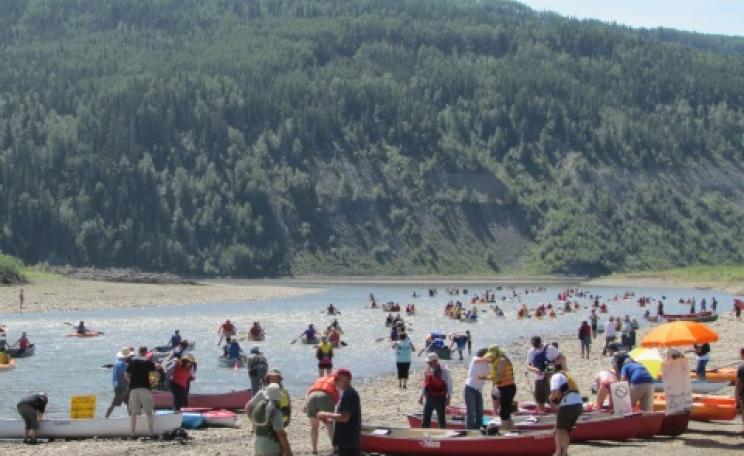
Canada's biggest infrastructure project is planned for Peace Valley, BC - a gigantic $7.9 billion dam that would flood 83 kilometres of the Peace River - all to produce electricity that no one needs. But a coalition of farmers, ranchers and First Nations is determined to block it ...
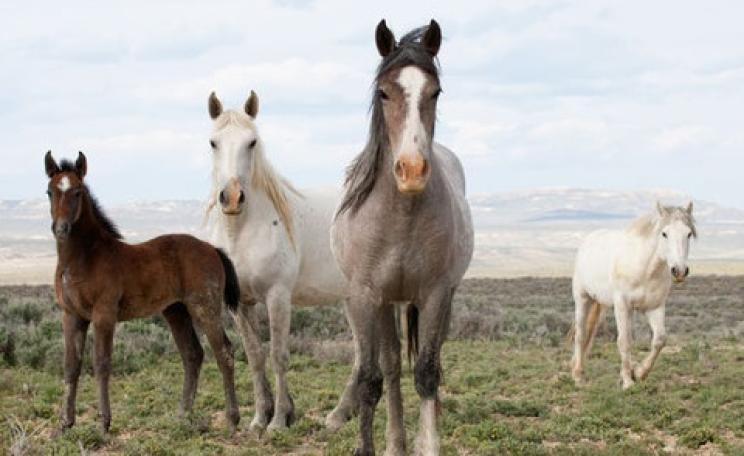
Wild mustangs are a potent symbol of pioneer spirit in the old West, writes J. Edward de Steiguer. But with few natural controls on their numbers, the population of almost 100,000 is rising by 20% a year. Now it's up to humans to control their numbers - one way or another.
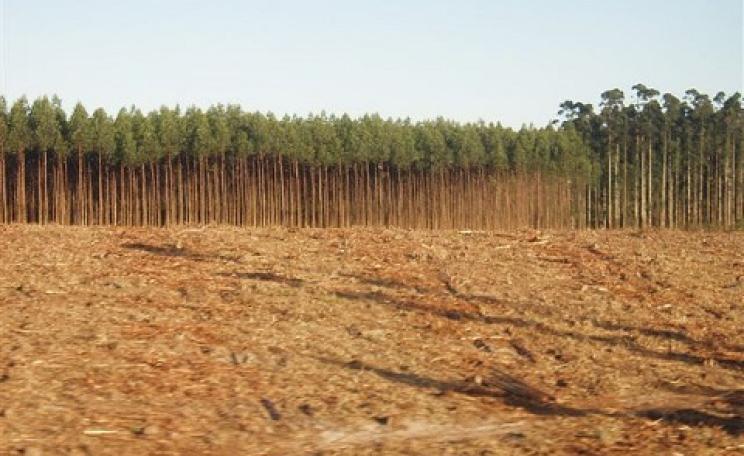
The World Bank's 'Tropical Forest Action Plan' was an abject failure, writes Chris Lang. Now the same mistakes are being repeated under a new acronym. TFAP is out, REDD is in - but it's still all about corporate control of forests, and blaming deforestation on its victims.
Attempts to recycle E-waste and donations of old electronic devices are harming poor people's health and devastating the environment, writes Nele Goutier. Agbogbloshie, once an idyllic landscape of wetlands and small farms, is now the most toxic place in the world ...