This month a tailings dam at the Mount Polley mine in BC breached, writes Carol Linnitt - spilling 14.5 billion litres of toxic mine waste into Quesnel Lake. A major source of freshwater and one of BC's premier fly-fishing destinations, the lake will never be the same again. But it's just the first big victim of Canada's wave of environmental de-regulation ...
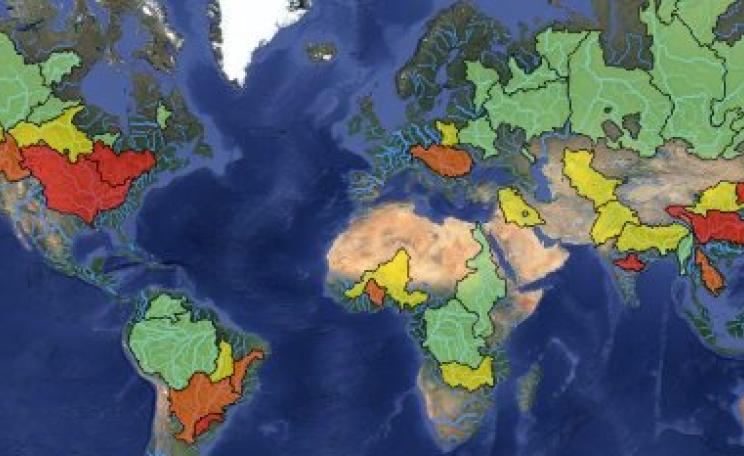
A new 'State of the World's Rivers' database shows how the world's rivers have been impoverished by dams and their ecosystems devastated - and provides a valuable resource to help save river basins that remain in good health.
On the face of it, the UK government's obsession with nuclear power defies reason. It's very expensive, inflexible, creates 'existential' threats and imposes enormous 'long tail' liabilities tens of thousands of years into the future. But there is a simple explanation: it's all to maintain the UK's status as a nuclear WMD state.
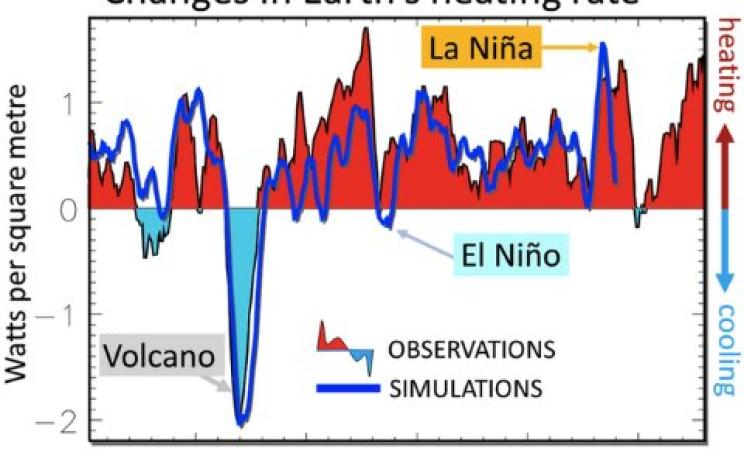
Since 2000 global surface temperatures have risen less than expected, a fact seized on by climate change 'sceptics'. But indications are that the surplus heat has been building up all along, writes Richard Allan - in deep oceans where it does not influence observable climate. Not yet, anyway.
Mussels, crabs, hornets and ... racoons? Future invasive species are not what you might expect, write Jodey Peyton & Helen Roy. In particular, we have to beware of 'ecosystem engineers' that can transform the environment they inhabit, creating ecological havoc for other species.
The World Nuclear Industry Status Report provides an account of an industry in decline, writes Jonathon Porritt - with rising operating costs and an ever-shrinking share of world energy production, while the sector loses the race for investment and new generating capacity to fast growing renewable energy technologies.
Climate change and tar sands activists opposing Keystone XL need to wake up to a new reality - the pipeline has already been eclipsed by rail transport which is both cheaper and more flexible, writes Justin Mikulka. The expanded production and export of tar sands oil just got a whole lot more likely.
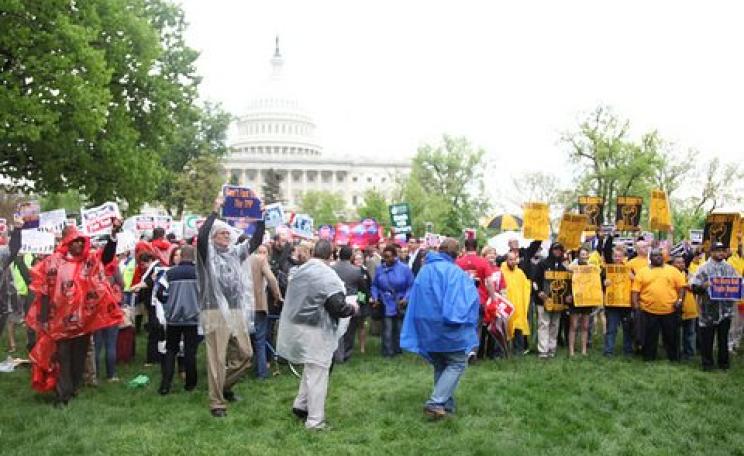
Adam Weissman spills the beans on the Trans Pacific Partnership, which threatens to undermine democracy in the US and other countries at its roots. If passed it will represent a massive handover of power from nations to corporations - but as Mickey Z writes, there is still time to organize and defeat Obama's TTP campaign.
Sharply increased levels of crop spraying in Argentina's most intensively farmed areas have resulted in a public health disaster, writes Lawrence Woodward, with large increases in cancer incidence. And it's all the result of the widespread use of GMO crops engineered for herbicide resistance.
Transport emissions are a political hot potato - mobility is often associated with as 'freedom', while the most environmentally aware are also most addicted to high carbon emissions from travel, writes Scott Cohen. To cut transport emissions means tackling four big political taboos.
Controversy has been raging for decades over the link between nuclear power stations and childhood leukemia. But as with tobacco and lung cancer, it's all about hiding the truth, writes Ian Fairlie. Combining data from four countries shows, with high statistical significance, that radioactive releases from nuclear plants are the cause of the excess leukemia cases.
The Apricot Centre in Essex is a unique project that uses organic horticulture and animal husbandry to heal, inspire and educate children from diverse backgrounds, and kindle love for the natural world, writes Martin Large. Now it's expanding to Devon, to establish a second, much larger biodynamic smallholding near Totnes and Dartington.
Is the species that dwells peacefully within its habitat with respect for the rights of other species the one that is inferior? Or is it the species that wages a holy war against its habitat, destroying all species that irritate it? Paul Watson questions man's monopoly on advanced brain power, and finds a planet suffused with a far deeper intelligence than our own.
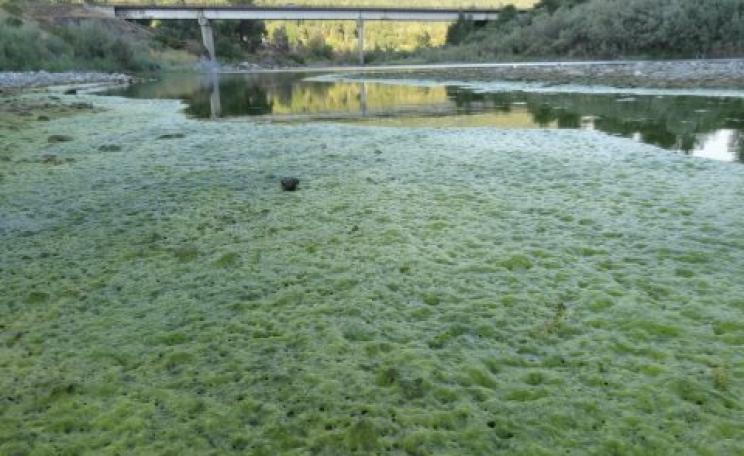
Large scale salmon deaths are imminent on the Klamath River and its tributaries in northern California due to low flows and high temperatures. Native American tribes are protesting in the state capital as federal agencies illegally prioritize water for large scale agribusiness over fish and indigenous people.
Survivors of a previously unknown Amazon tribe have escaped gunmen in Peru, seeking refuge with settled indigenous communities in Brazil. But as Alice Bayer reports, their problems are far from over. Many remain under threat in Peru, and even the refugees are at risk of common but potentially lethal infections.