With the growing trend for natural swimming in cities new opportunities are opening for architects and designers to create dramatic, inspiring, enjoyable new public spaces in urban waterways, writes Jane Withers. And it's the subject of a new exhibition at London's Roca London Gallery ...
The widely used herbicide glyphosate has been judged 'safe', write Pete Farrer & Marianne Falck. But by the time it's used, it's in a 'formulation' with toxic surfactants, which escape EU regulation despite their known dangers. Germany alone has forbidden the use of the most dangerous surfactant - but is keeping its evidence secret.
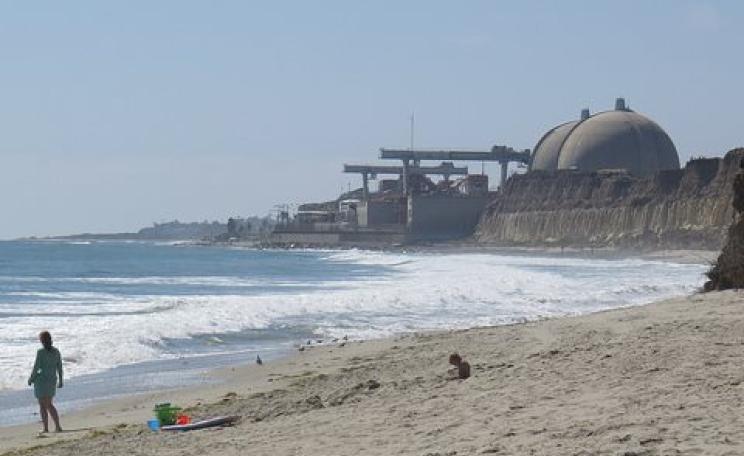
Nuclear power exists for one reason only, writes Ralph Nader - government support. Without the taxpayer subsidies, accident liability waivers and exploited consumers, nuclear power wouldn't exist. And even with all the above, it can barely hold on. It's time to end the nuclear boondoggle for once and for all.
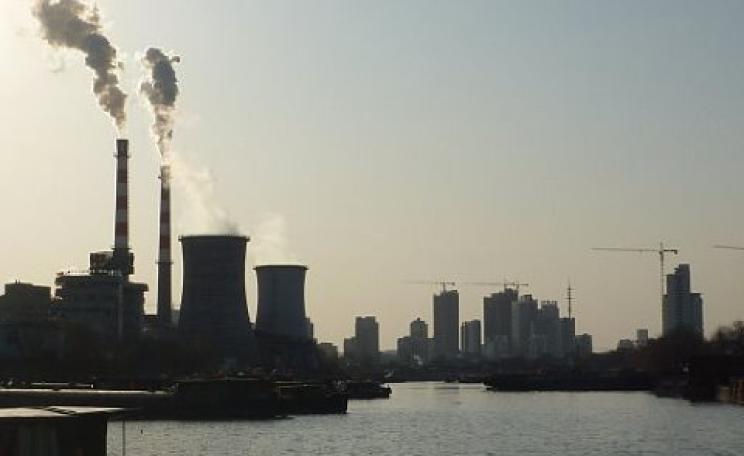
There are hopeful signs that China, the world's biggest emitter of greenhouse gases, is becoming less reliant on the polluting coal that powered its rapid economic rise, writes Kieran Cooke. Great news for China, and the planet - but worrying for coal exporters!
British officialdom and those they serve are obsessed with the killing of wildlife, writes Lesley Docksey. It seems that whatever the 'problem', from bovine TB to the serendipitous arrival of beavers in Devon, the reflex is the same - to kill wild animals. But increasingly, the British people aren't having it. And our fightback is making waves ....
We have a new European Commission - so what does it mean for the environment, GMOs and trade negotiations? Lawrence Woodward can't help feeling that the best part of the package is Commission President Juncker himself. Now, will his 'team' pull together and work to deliver his vision? We can't quite count on it.
Four Indian leaders who have opposed illegal logging in their forests have been shot dead in eastern Peru as they traveled by boat to an indigenous meeting in Brazil. The murders followed pleas to Peruvian authorities for protection, and warnings by Brazilian officials that the Indians were in extreme danger.
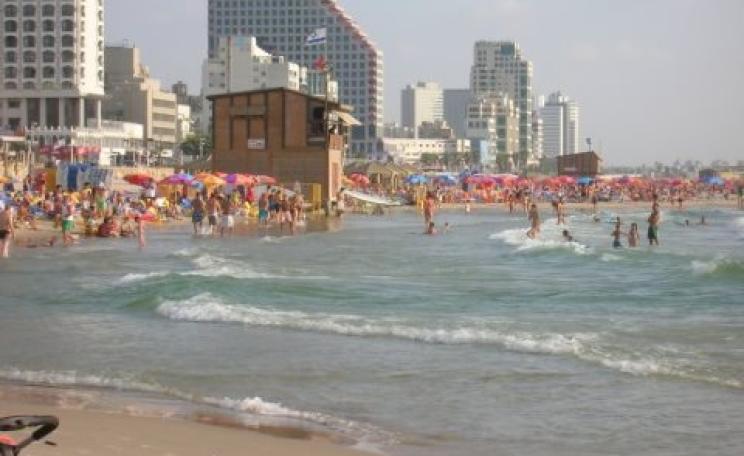
Consecutive Israeli military assaults have caused huge damage to Gaza's water and sewage systems, writes Sam Bahour. One result is that almost all Gaza's water is unfit for human consumption. Another is the tide of raw Palestinian sewage lapping on the beaches of Tel Aviv. So who should we feel most sorry for?
With the EU projected to source most of its 'renewable' energy by burning biomass, its policies are leading to widespread land-grabbing and forest destruction, writes Oliver Munnion. And because many of the biomass projects are purely speculative, 'sustainability standards' will do little or nothing to improve practice on the ground.
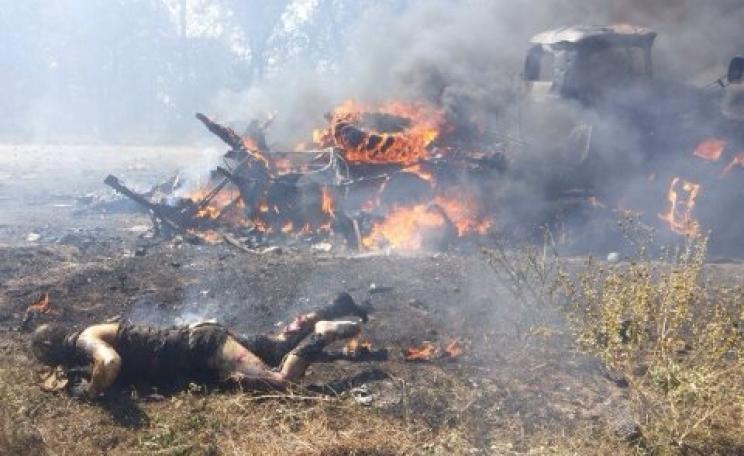
Hidden from mainstream media exposure, the World Bank and IMF loan has opened up Ukraine to major corporate inroads, writes Joyce Nelson. Loan conditions are forcing the deeply indebted country to open up to GMO crops, and lift the ban on private sector land ownership. US corporations are jubilant at the 'goldmine' that awaits them.
Hunter Lovins is on a mission, writes Sophie Morlin-Yron: to put the transformational technologies we already have to work for the benefit of people and business - and to re-create the economy so it's no longer a machine for polluting the planet and devouring natural resources, but a mechanism for building and sustaining natural and human capital.
Tomorrow the 65th meeting of the International Whaling Commission begins in Slovenia, writes Clare Perry. Among the issues: Iceland's slaughter of fin whales in defiance of the IWC moratorium, and its illegal export of their flesh and blubber to Japan - over 2,000 tonnes this year alone. The IWC and its member nations must act.
The EU, nervous about disruption to gas supplies across an increasingly unstable Ukraine, is planning a European 'supergrid' linking all 28 member states to increase resilience, writes Paul Brown. The development will be a boon to renewable energy generation, and cut emissions from fossil fuels.
New scientific evidence released today by the WMO shows the highest greenhouse gas concentrations on record, writes Alex Kirby, with 2012-2013 a record year for emissions. Meanwhile oceans are acidifying faster than at any time in the last 300 million years.
Ministers are determined to get fracking under way in the UK as fast as possible, so it's a 'fait accompli' in time for the election, writes Alex Stevenson. With a firm pro-fracking concensus in Parliament, only one thing can frustrate their plans - strong local campaigns to turn around MPs desperate for re-election in 2015. It even has a name: democracy.