Coca-Cola is the latest company to join the agricultural 'scramble for Africa', writes Miriam Ross. Backed by £600 million of British aid under the guise of 'food security' and 'nutrition', a vast give-away of Africa's land is under way that will condemn small farmers to landlessness and poverty.
A Parliamentary report reveals that £200 million has been wasted on failed 'public-private' PFI projects for waste management, writes David Hall. The obvious solution: to allow local authorities to build and operate their own, which is cheaper and more flexible. The only problem: under UK government rules, it's PFI or nothing.
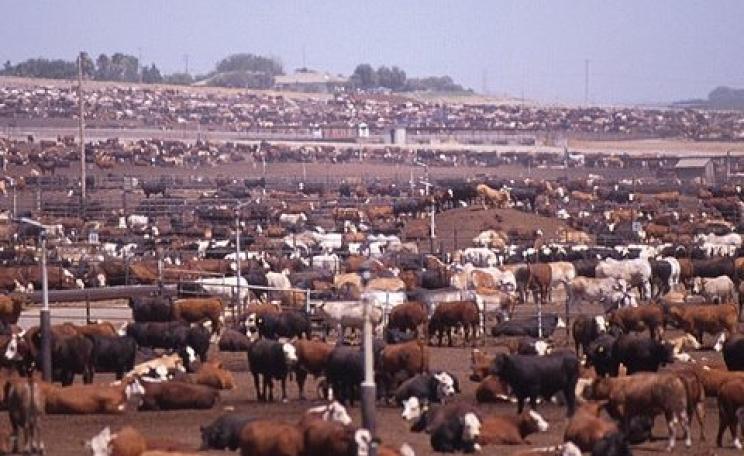
Halal ritual slaughter has raised huge controversy in the UK press, writes Alicia Miller. But the far greater issue is farm animals' entire quality of life - as reflected in the Qu'ranic principle that meat must be 'tayyib' - good, wholesome and from well-treated, healthy animals. Is this something we can all agree on?
As millions join in climate marches and other actions around the world, writes Ronnie Cummins, the 'mainstream' focus on energy is missing the 55% of emissions that come from mismanaged land and destroyed forests. The key is to replace industrial agriculture worldwide with productive, regenerative organic farming that puts carbon back in the soil.
Can you be a committed nature and animal lover, and enjoy shooting and angling? Only after extraordinary mental contortions, writes Lesley Docksey - who is only mildly surprised to find out that a Facebook critic is a PR man for 'country sports and associated technologies'.
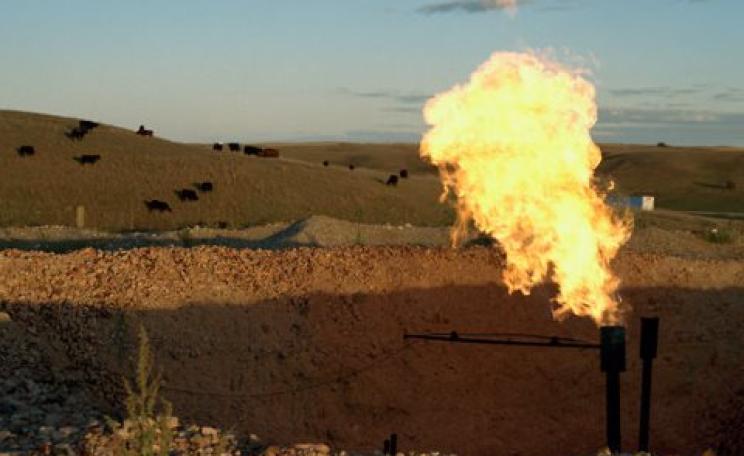
Gas flaring of natural at shale oil wells is carried out on such a scale in North Dakota and Texas that 'phantom cities' show up at night in satellite photos, writes Sharon Kelly. Billions of dollars worth of gas are going up in smoke, adding to CO2 emissions - but far worse for the climate is when the gas is 'vented'. Regulators are doing too little, too late.
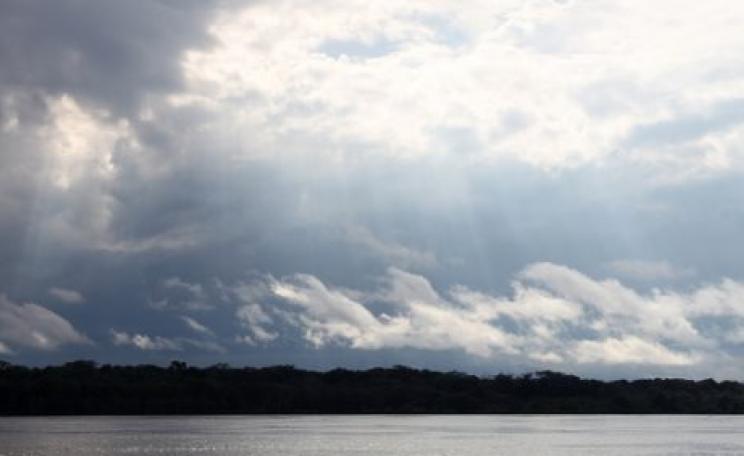
The Amazon forest both depends on, and sustains, vast 'flying rivers' that carry humid air and clouds deep into the continental interior, writes Jan Rocha. But scientists fear the flying rivers are failing due to deforestation, fire and climate change.
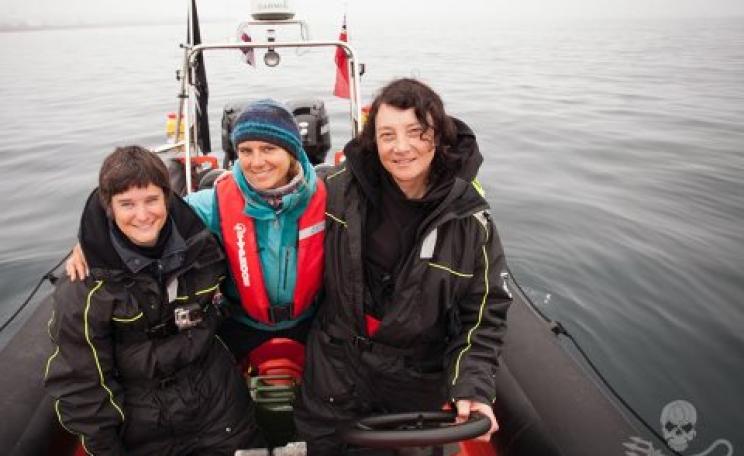
Three Sea Shepherd volunteers have been arrested for 'harrassing dolphins' and deported from the Faroe Islands. But their real crime was to save hundreds of Atlantic white-sided dolphins from slaughter.
A review of the 66 nuclear reactors 'under construction' worldwide shows that 49 are running behind schedule, including all five in the US and most in China. The long and unpredictable build times of nuclear plants, and the extra costs that ensue, are a compelling reason not to depend on the technology for either power or to mitigate climate change.
Kazakhstan offers the opportunity for conservation on a grand scale, write Stephanie Ward & Geoff Welch. They recently visited the Golden Steppe, where they helped to secure an area of wildlife-rich grassland bigger than Wales for conservation. But that's just a fraction of the long term plan - a nature reserve the size of France.
Sanctions against Russian natural resource tycoons could be good for the environment, writes eco-campaigner Konstantin Rubakhin - if only they would target the right people. But so far, the EU has been turning a blind eye to powerful Kremlin insiders with an open licence to pollute and destroy.
From the day that Danish pig farmer Ib Borup Pederson switched away from GM soy, his animals became healthier and more productive. Birth deformities reduced, sows became more fertile, medicine costs fell, and profits went up. The changes were linked to the reduction in the levels of the herbicide glyphosate in their feed.
Speaking in Stroud this week, Huw Irrancas-Davies MP delivered a withering attack on the Government's badger cull policy - and firmly committed a future Labour government to ending the badger cull, using measures to control bovine TB that are safe, effective, and humane.
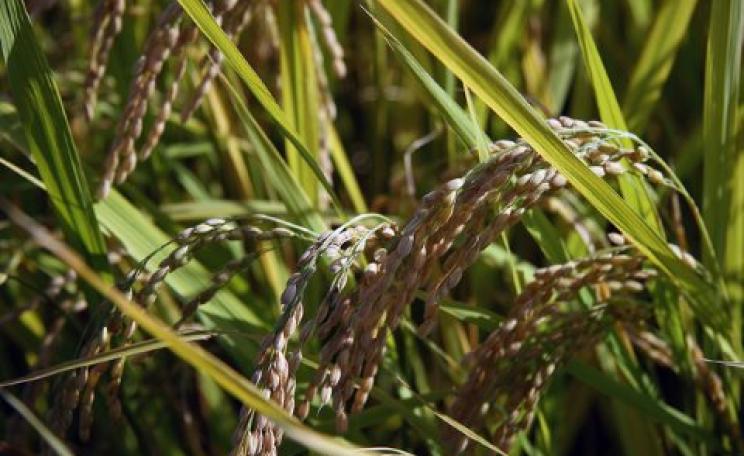
Research on the biological effects of radiation near the Fukushima nuclear disaster site finds a powerful response in rice seedlings, writes Gregory McCann. The discovery will do nothing to boost consumer confidence in resumed rice exports from the Fukushima region.
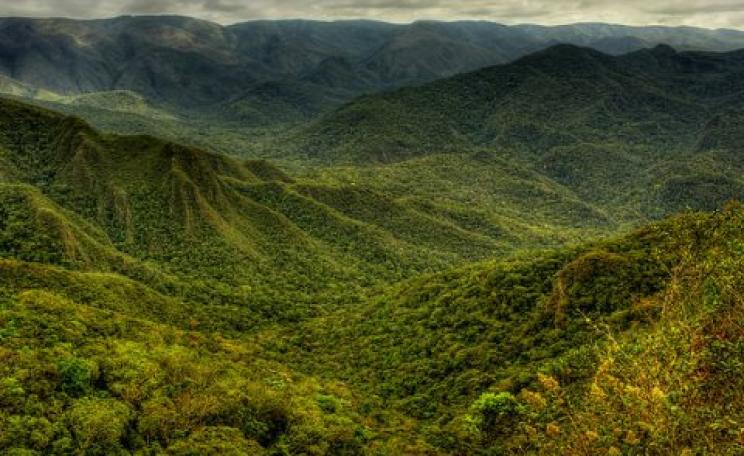
As Brazil prepares for elections next month, conserving its remaining Atlantic Forest is a hot issue, writes Cristina Banks-Leite. Ecologists want to preserve more native habitat, while farmers want to expand their acreage. But there is one solution that ought to please everyone.