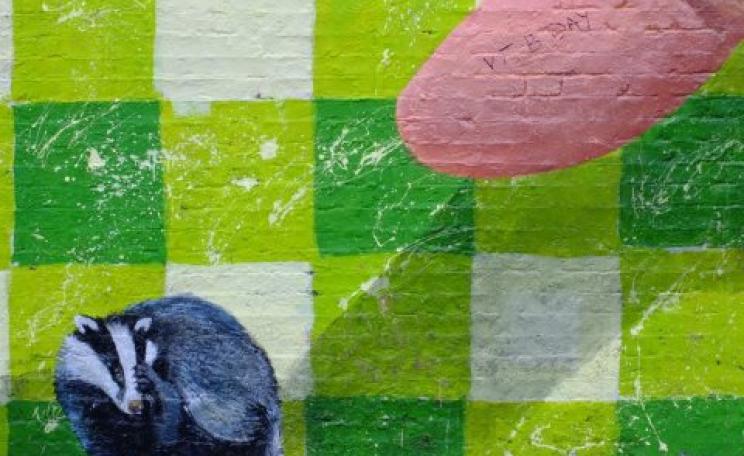
England's 2014 trial badger cull starts today - with no independent oversight, and no gathering of essential scientific data. The government's 'science-led' policy consists of asking scientists for help, writes Rosie Woodroffe - then completely ignore everything they said, and order them off the premises.
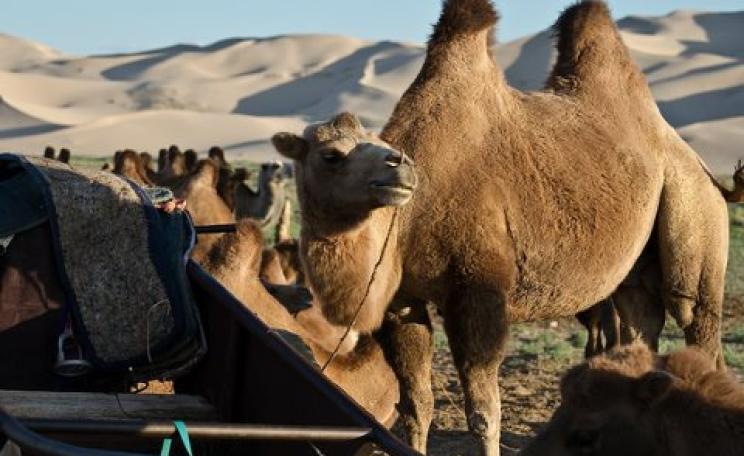
Mongolia and China are separated by world views as well as by a border across the Gobi desert, writes Troy Sternberg. In Mongolia the idea that nature has intrinsic value is readily accepted, while China is more interested in resources for trade, industry and profit. Can a clash of interests be avoided?
A 5,000-house development has just won planning permission on a SSSI nature area in Kent which is home to over 1% of the UK's nightingales. It violates government planning policies, and ministers have the power to stop it. But will they? Yes they will, writes Martin Harper - provided enough people show they care!
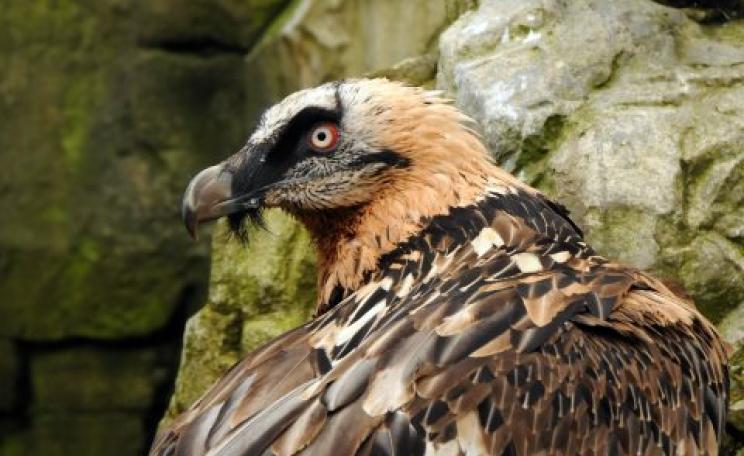
Vultures have become one of the most threatened families of birds on the planet thanks to poisoning by the veterinary drug diclofenac. Now Birdlife has discovered that it's on sale in Europe - threatening to wipe vultures out and undermine significant EU investments in vulture conservation.
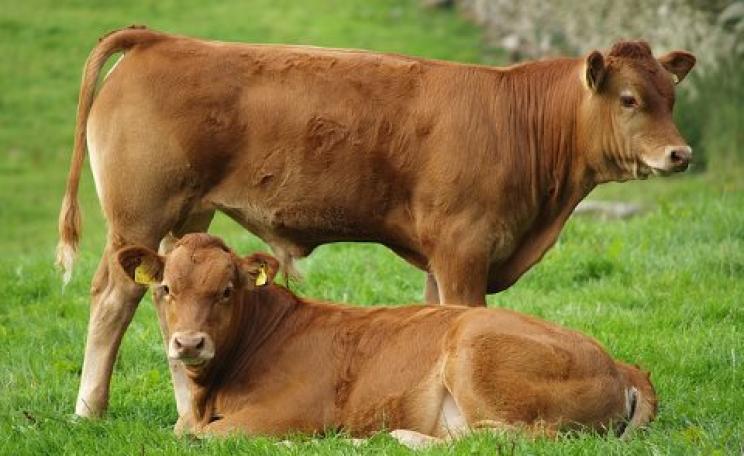
With supermarket milk cheaper than spring water, it's time to rethink the modern dairy industry. It's not just the milk that's become a throwaway product - the high-octane Holstein cows that produce it are also in the knackers yard after just two or three lactations, the living waste of a loss-making, environment-trashing industry.
Farmers in the Bicol region of the Philippines have gathered to renew their fight against field trials of Golden Rice and halt moves towards its commercialization. But with last year's 'advanced' Golden Rice trials showing low yields, the prospect of a GR release is fast receding.
Seaworld San Diego is about to build the world's biggest tank for its captive orcas. Fifty foot deep and covering 1.5 acres, it's almost twice as big as current tanks and will represent an improvement in living conditions when complete in 2018. But for Sea Shepherd, that's missing the point. For these wild and majestic sea mammals, only the ocean will do.
Daniel Crockett guided a 300km walk along ancient horse routes through the Westfjords, a remote, depopulating region of Iceland rich in nature, myth and magic. The wild, non-human environment enters our beings, he writes - and thus infected, the onus is on us to spread the message far and wide.
Consumers around the world want their electricity to come from renewable sources, writes Paul Brown. Yet governments from the UK to Australia are defying the popular will as they push for fossil fuels and nuclear power. The good news? Renewable energy is surging ahead regardless.
A legal challenge to a draconian Idaho law that outlaws free speech about animal abuses on factory farms has survived a 'motion to dismiss' in a federal court. The challenge, mounted by free speech, animal welfare, food and environment groups, claims the 'ag gag' law is unconstitutional.
The advance of solar power around the world is bringing instant, dramatic improvements to people's lives, so why aren’t more governments overhauling their dysfunctional energy policies?
A 'rotten borough' election in Oxford has won Labour a councillor on the lowest turnout in British electoral history - robbing the Greens of a winnable seat. The by-election in a mainly student ward was timed for the summer vacation - disenfranchising 60% of voters.
The future of small island states has to be renewable, says Zaheer Allam. But that's only the first of many choices. It's just as important to develop energy networks that are diverse, resilient, adaptive and flexible - and avoid the centralised, unimodal models that investors and bureaucrats prefer to impose, often at huge long term cost.
Thanks to damage to coastal wetlands by the oil & gas industry, Louisiana is losing two acres to the sea an hour, writes Julie Dermansky. The companies are legally obliged to repair their damage - but they haven't and the cost has reached $50 billion. The answer? A Bill backed by the state governor to make them immune from lawsuits.
Prospects for a global climate deal under the UN are receding fast, writes Assaad Razzouk, as the Green Climate Fund is short-changed by donor nations. But there's still plenty to hope for with a private sector that's stepping up to the mark, and fast-growing decentralised climate action.