Japan's government is trying to get its failing nuclear power industry up and running, write Jim Green and Peer de Rijk. But in the post-Fukushima world, it faces formidable obstacles. Experts believe most reactors will never restart - and Japan's stricken utilities may have to find $30 billion or more to finance their decommissioning.
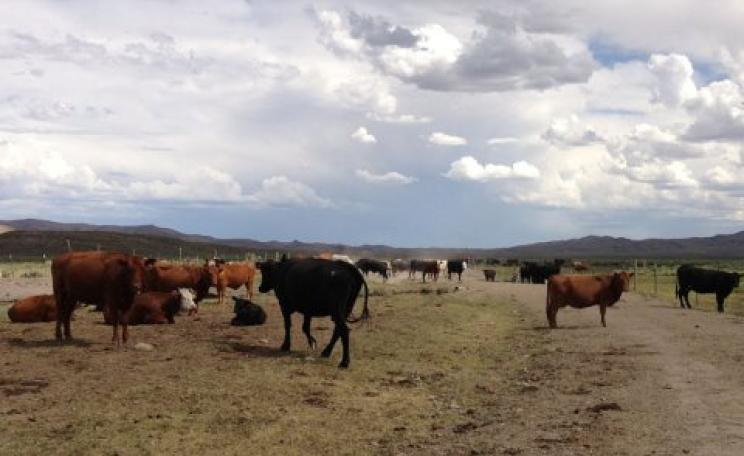
Livestock ranching on US public lands underlies a vast range of environmental problems - so should we welcome 'conservation buyouts' of ranches that own grazing leases? No way, writes William Williers, because the lands are already ours, and to 'buy' them is to support and perpetuate a $1 billion per year fraud against the American people.
To tackle its serious air pollution, China is imposing stringent restrictions on dirty coal high in ash or sulphur, writes Shabbir Ahmad. One result: half of Australia's coal exports to China face exclusion, or extra 'washing' costs. But Australia's response is not to raise environmental quality. Instead, it's increasing production.
Deep in rural Devon, the word is that the Government intends to trap the wild-living beaver family on the River Otter next month, and consign them to captivity. But as Alasdair Cameron writes, this is not only unnecessary and unpopular, but probably illegal as well.
A health study in Pennsylvania, USA, shows that people living near fracking and other natural gas wells are more likely to suffer from skin conditions and upper respiratory symptoms. It calls for further study of the associations, including the role of specific air and water exposures.
Is our inability to tackle climate change the fault of politicians? Corporations? Governments? Or is it because that's the way our brains have evolved, able to hold six contradictory ideas at once, and believe them all? Carol Linnitt met climate campaigner George Marshall, who thinks he is finally asking the right questions.
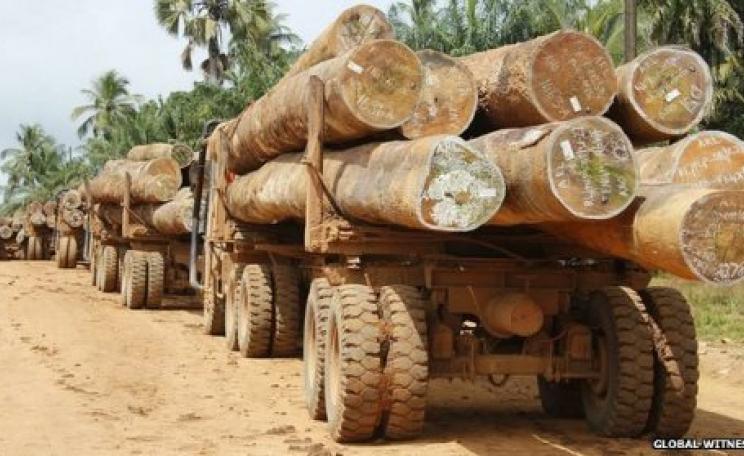
At the New York Climate Summit, an international agreement has been struck to halve, then end deforestation around the world. It has the support of major forest countries, multinational corporations, forest campaign groups and indigenous peoples.
Energy efficiency in office buildings struggles to gain the attention of top management, writes John Alker - because energy is too cheap to really matter. But with 90% of operating costs spent on staff, show that green building design makes employees happier and more productive, and you're really onto something ...
Both the World Conference on Indigenous Peoples and the Climate Summit have taken place at the UN this week, writes Lisa VeneKlasen - each producing their lofty declarations. But what really matters is whose voices are being heard, and will be acted on, in a profound clash of worldviews.
The world's biggest CO2 emitter, China, had a low key presence at the UN Climate Summit yesterday, writes Alex Loy, giving a strong hint that its leaders have lost faith in the ailing UN climate process. But the country is pushing hard on climate solutions at home, including a national emissions cap and effective carbon pricing.
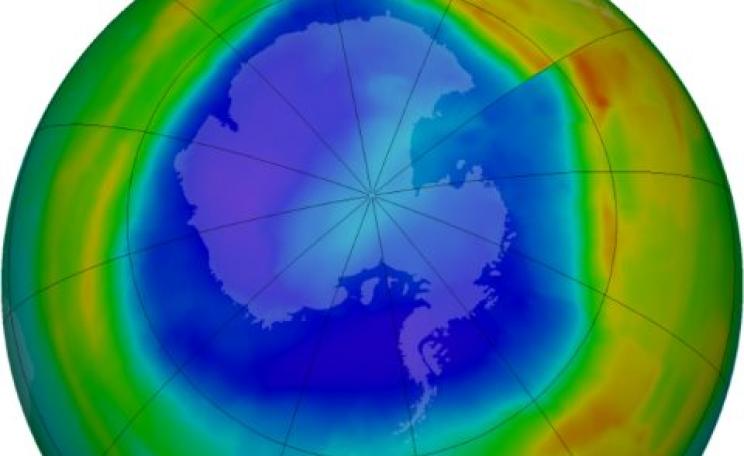
Thirty years after the UN took action to save the ozone layer, we can count the benefits - which only begin with 2 million fewer cases of skin cancer a year, writes Nigel Paul. With world leaders taking on the much greater climate challenge today, we should take cheer, and inspiration, from that historic success.
At the UN climate summit in New York today, institutional investors managing $24 trillion of assets are demanding stronger, more ambitious policies on climate change, writes Kieran Cooke. These include an effective carbon price and an end to fossil fuel subsidies.
Governments must shift subsidies and research funding from agro-industrial monoculture to small farmers using 'agroecological' methods, according to the UN's Special Rapporteur on the Right to Food. And as Nafeez Ahmed notes, her call coincides with a new agroecology initiative within the UN's Food and Agriculture Organisation.
Thousands of wounded Gazans are awaiting medical treatment, writes Veronica Vickery, with many of Gaza's hospitals damaged or destroyed. Meanwhile a health crisis looms with the coming winter, amid a failing water and sewage system. One way the UK can help: send our hospital ship RFA Argus to provide essential medical aid.
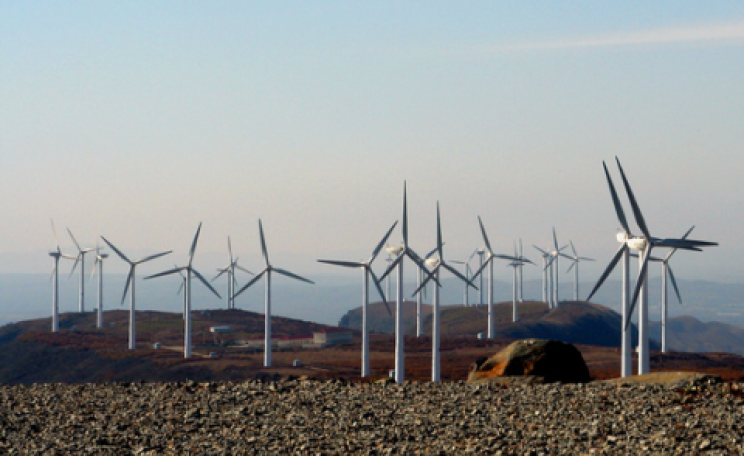
A report published ahead of tomorrow's UN Climate Summit shows that we can meet all our energy needs from renewables, writes Paul Brown - poor nations and prosperous, tiny islands and great cities, in any part of the globe. And some are doing it already ....