The outgoing European Commission has just given the UK's controversial Hinkley C nuclear project the go-ahead, writes Paul Dorfman - approving a deal that will cost the UK public tens of billions of pounds. But now the deal faces a legal challenge in the European Court of Justice.
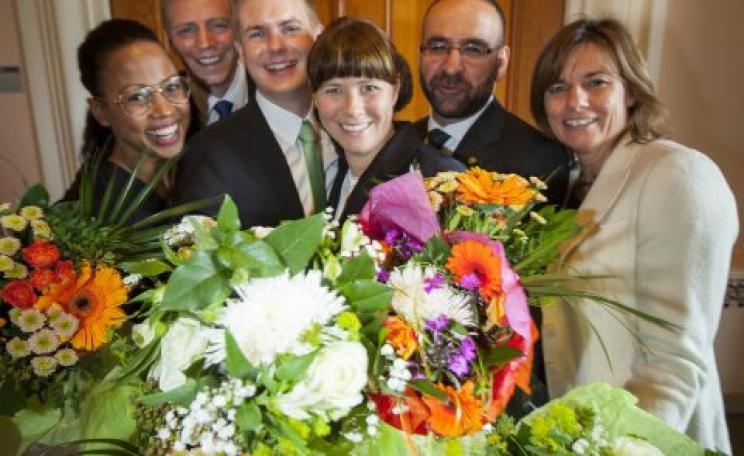
Sweden's Greens are in government for the first time, wriites Dominic Hinde, with six ministerial posts in the new Social Democrat / Green coalition. After eight years of Conservative-led government, the country is determined to resume its former role as a green pioneer, but many challenges lie ahead.
Nobel's choice of prizes addressed the key disciplines of his time that conferred greatest benefit on mankind, writes James Dyke. To his initial selection an economics prize was later added - so what's to stop us adding a new one for sustainability - how mankind can live in harmony with planet Earth and all who sail on her?
The EU is dumping a plan to label fuel made from tar sands as 20% more polluting than oil from conventional sources, making it cheaper for European countries to import. But the concession - intended to smooth the TTIP trade deal - still has to be approved by the European Parliament.
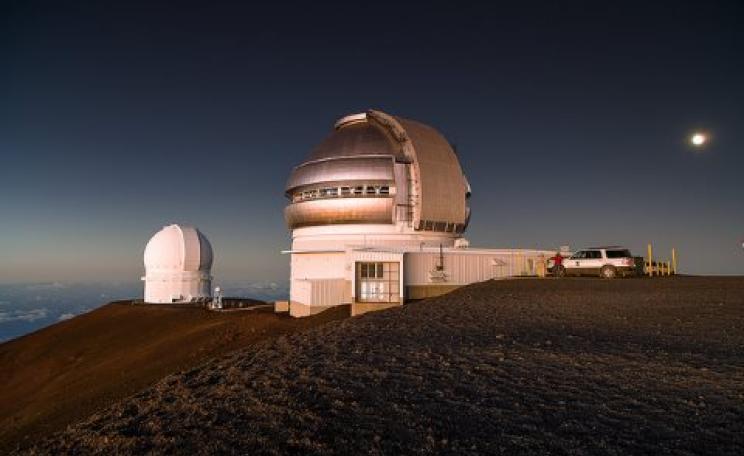
Native Hawaiians and others are gathering today for a peaceful protest at the ground-breaking ceremony for a huge new telescope on the 4,207 meter summit of Hawaii's 'sacred mountain', Mauna Kea.
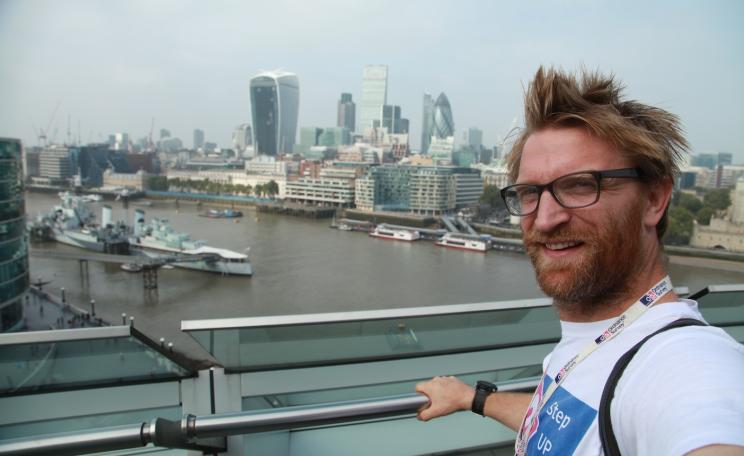
Daniel Raven-Ellison is a man with a big idea - making London the world's first 'National Park City' to safeguard, and promote the enjoyment of London's myriad natural treasures, writes Lucy Anna Scott. Is he bonkers? Probably. But with a growing band of backers getting behind his bold vision, who cares?
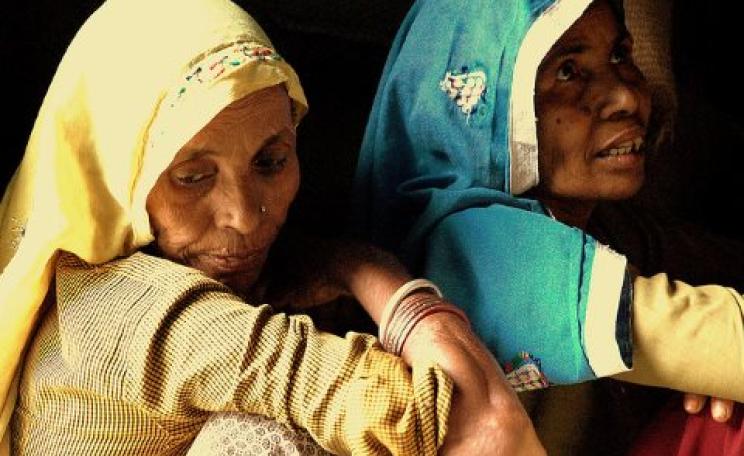
Microfinance - lending poor people small sums to capitalise sustainable, profitable livelihoods and businesses - is widely lauded as a 'good thing'. And at its best, so it is. But some micro-lenders in south Asia operate with the methods, and ethics, of loan sharks, write David Hulme & Mathilde Maitrot. Can microfinance save its soul?
There's a simple thing we can do to cut everybody's electricity bills, reduce pollution and 'keep the lights on' when demand peaks on dark winter evenings, writes Chris Goodall - phase out power-guzzling halogen bulbs and replace them with LEDs that use a fraction of the power. So let's do it!
The massive concentration of economic resources in the hands of a few people presents a significant threat to democracy and wellbeing. Mark Goldring, Chief Executive of Oxfam GB, calls for a more progressive agenda for the redistribution of wealth.
A huge EU-US trade and investment deal may not be quite so dangerous as its opponents portray it, writes Gabriel Siles-Brügge - but it still represents a serious threat to governments' ability to regulate for the benefit of citizens and environment, and would entrench 'competitive' markets in public service provision.
A victory for the Kurds and their allies in Syria would be a victory for all who seek a future dictated by neither fundamentalists nor imperialists, writes Derek Wall. Is that why NATO members' have taken no effective action to help Syria's Kurds resist Islamic State - even as Kobane is set to fall, and with 160,000 Kurdish refugees trapped at the Turkish border?
Out in the Atlantic off the coast of West Africa, the Cape Verde islands should be pristine, writes Simon Ager, a haven for sea turtles and other wildlife. But the beach where loggerhead turtles have nested for millions of years is buried under a deadly morass of plastic garbage.
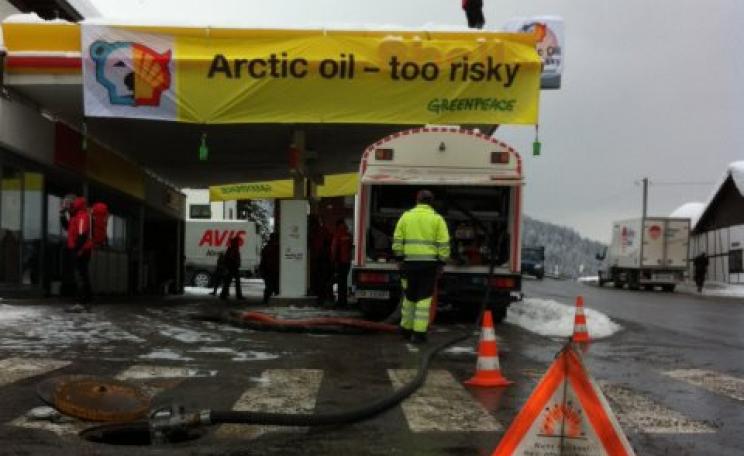
Oil majors are gearing up to exploit Arctic oil, writes Mike G. But they don't want to carry the costs of all the safety equipment the US Government is demanding to protect the fragile Arctic environment from spills. And they're reluctant to give up the use of toxic chemical dispersants.
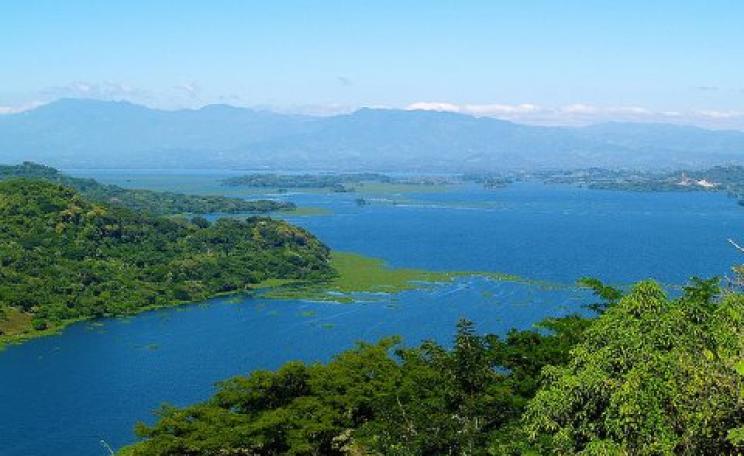
OceanaGold is demanding $300 million in compensation from impoverished El Salvador after a mining permit was refused to safeguard a clean drinking water source that millions of people depend on, writes Pete Dolack. The sum does not even represent losses - but profits the company claims it would have made.
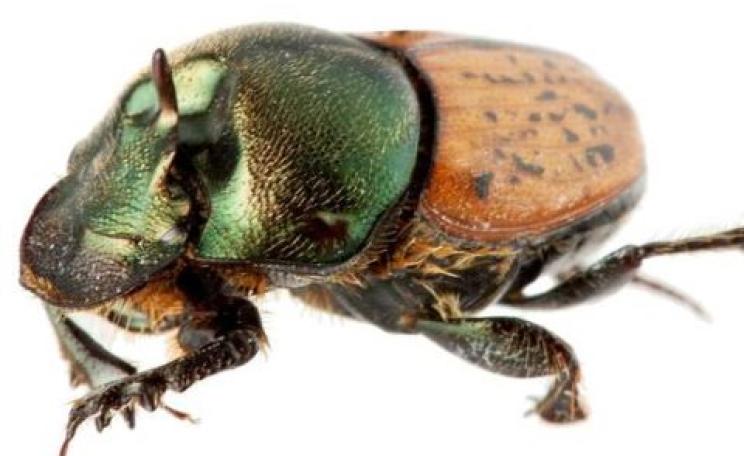
After rabbits, foxes, brambles and the cane toad, you would have thought Australia would have had enough of invasive exotic species, writes Jane Wright. Wrong! CSIRO scientists are introducing a French dung beetle, in the hope it will lead to fewer flies, improved soil fertility and structure, and greater carbon sequestration.