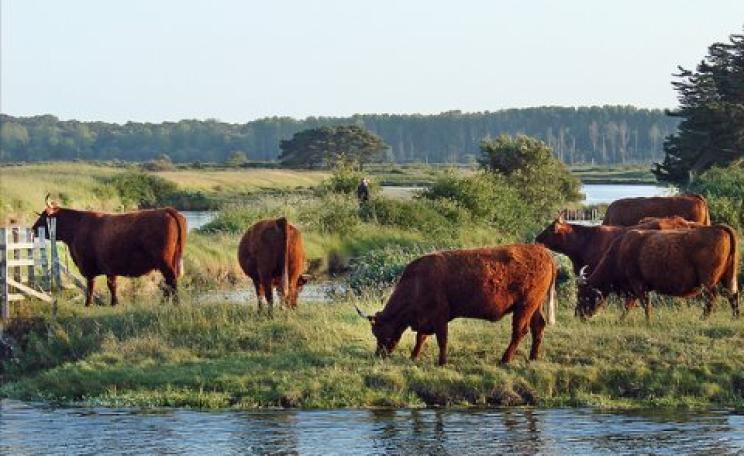
For all France's rhetoric about supporting the small farmer, the authorities are bending legalities to push through the country's biggest dairy farm, writes Evan Jones. This reveals the 'socialist' government true loyalties: to subsidy-driven 'free trade', and industrial agriculture that pollutes, depopulates, unemploys - and generates vast profits for a powerful elite.
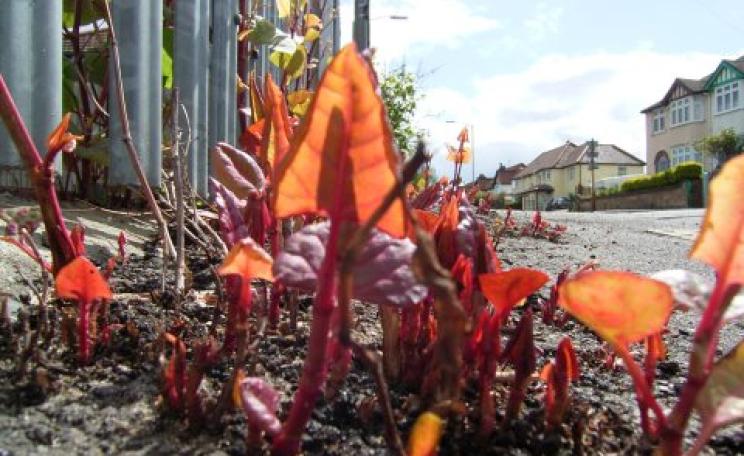
Since Japanese knotweed won a gold medal in 1847 as 'interesting new ornamental of the year', it has become far too much of a good thing, writes Kate Constantine. But could the oriental triffid be tamed following the UK introduction of a specialist pest from Japan's volcanic uplands?
A new report reveals huge declines in the UK's migratory birds that winter deep in Africa's rainforests. Shorter distance migrants are performing much better, with some recording big population increases.
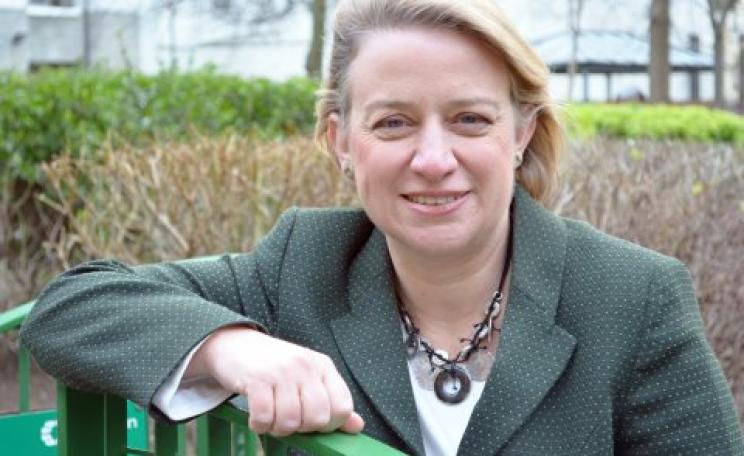
UK broadcasters decision to exclude the Greens from the 2015 General Election debates has triggered a storm of protest, writes Josiah Mortimer. The numbers all show that the Greens deserve to be heard, but it's about more than that - the British people deserve the chance to engage in a new, progressive politics for the 21st century.
Last night's speech on Britain's energy choices by former environment secretary Owen Paterson's caused widespread outrage long before it was delivered. But what exactly did he say on the night? Read on, and be surprised to discover that it makes excellent sense - in parts.
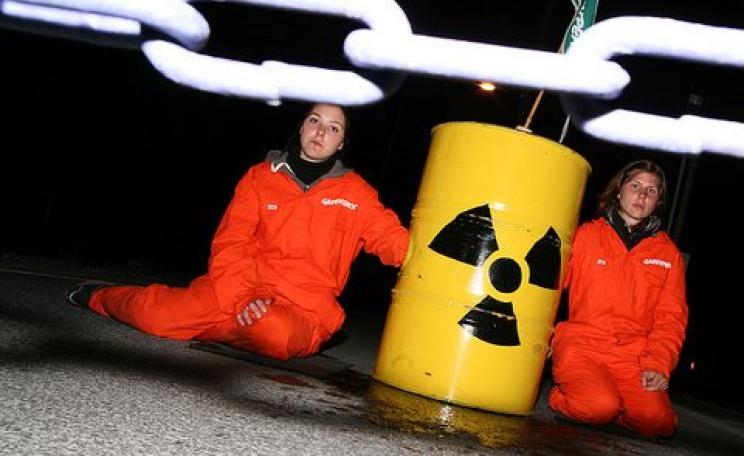
A scientific paper published this week shows that the severe health damage caused to UK bomb test veterans persists through the generations, writes Chris Busby. Their children and grandchildren are almost ten times more likely to suffer from congenital malformations than controls - and the only common cause is historic radiation exposure.
The Aral Sea is a well known environmental disaster zone. But this year, it got a whole worse, writes Anson Mackay, as its biggest basin dried up completely to expose a toxic, salty wasteland. With continuing irrigation and declining river flows due to climate change, the desert is only set to expand.
The Scottish diet is famous for being the worst in Europe, write Pete Ritchie and Miriam Ross. Yet the country has rich land and sea resources, and exports large quantities of high quality food. By treating food as a common good instead of leaving the market to provide, Scots can start to transform their food future.
The UK Government promises that the Hinkley C 'EPR' nuclear reactor will lower electricity bills, but Keith Barnham shows that this is the very reverse of the truth. Our best hope is that it will never be built. Legal challenges aside, no sane investor will commit until one of the two EPR prototypes is working, which will be in 2016 at the earliest.
The first ever global life-cycle assessment of clean energy sources shows that a renewable system could supply the world's entire electricity needs by mid-century, writes Tim Radford.
A tribal community within India's Similipal tiger reserve is facing eviction after forest department officials tricked and coerced villagers into signing a document in which they promised to leave. Complaints to the state's Human Rights Commission have been ignored.
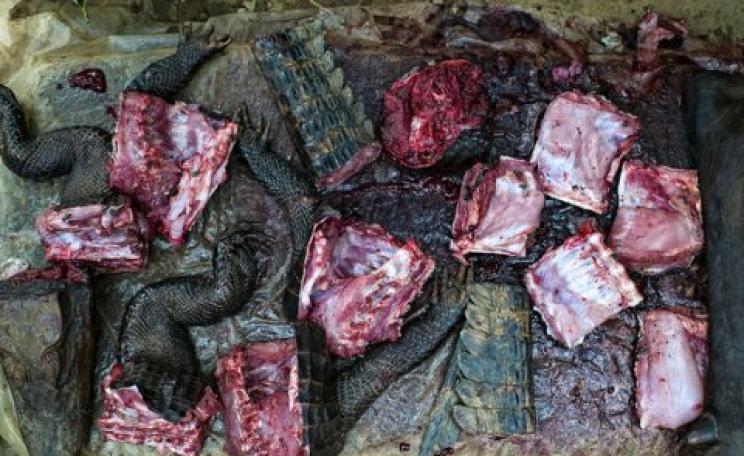
Ebola and many other diseases have their origin in wild animals, writes Robert Young. The biggest opportunities for infection arises when people hunt and eat diseased animals, exposing themselves to their viruses and bacteria. To keep 'other ebolas' at bay, we must put an end to the bushmeat trade.
A new book charges the world's biggest conservation group with forging links with global corporations that are using its name to 'greenwash' environmentally damaging activities, writes John Vidal - in the process becoming too close to industry, and over-dependent on corporate funding.
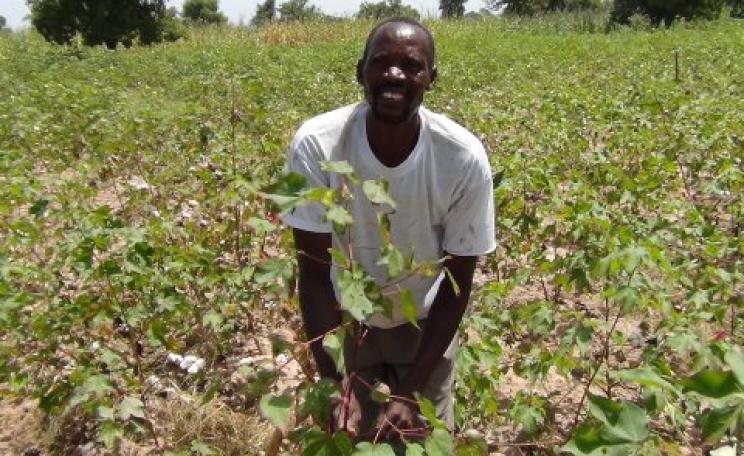
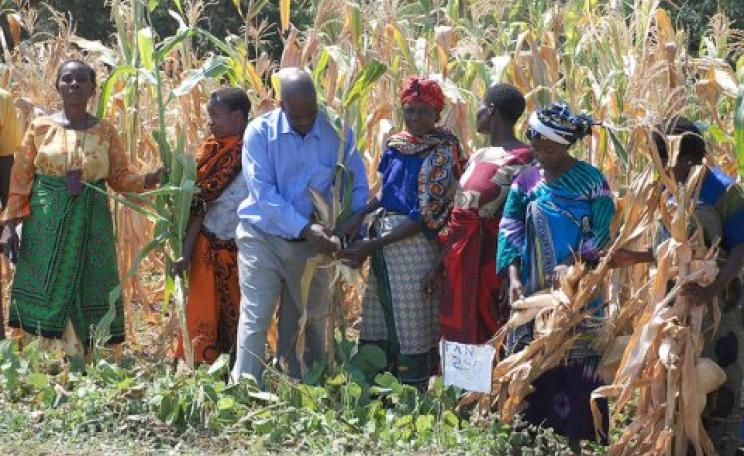
The soils on which African farmers depend are getting poorer, writes Fernando Naves Sousa, depleted of nutrients and organic matter. This creates a huge challenge: to reverse the trend in an environmentally responsible way, while feeding a growing population. But it can be done - using organic composting techniques.
Monsanto, DuPont, Syngenta, Limagrain are among the companies to buy into Africa's indigenous seed companies. It's all part of the corporate takeover of the continent's agriculture at the expense of the small farmers who feed most of Africa's people.