A British lawyer has filed a complaint with the International Criminal Court, writes Kevin Ponniah, alleging that a wave of violent land-grabbing that has displaced 770,000 people has been carried out by Cambodia's ruling elite, and that it amounts to a crime against humanity.
With 300,000 hectares of forests, fields and steppes damaged by fire, the war in Ukraine has done huge damage to the country's environment, writes Dimiter Kenarov. But there has been an upside: a new green spirit is taking root, and young volunteers are stepping in to protect wild spaces.
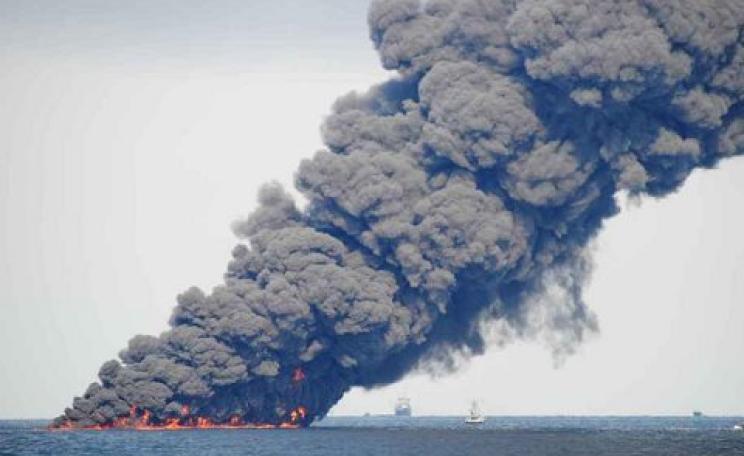
The oil and gas industry is disrupting communities and damaging ecosystems worldwide, writes David Poritz. Tough, independent social and environmental standards for the industry can bring urgently-needed improvements to company practices - even where government regulation has failed.
Doima, a small town in the Colombian highlands, is on the front line of battle against a giant government-backed gold mine that would fill a nearby valley hundreds of metres deep in over a billion tonnes of mine waste. Hal Rhoades met Mariana Goméz Soto, an activist in Doima's campaign to defeat the mine project.
Fossil fuel companies are a risky investment thanks to the 2.8 trillion tonnes of 'unburnable' carbon in their reserves, writes Franklin Ginn. But there's an even stronger reason to support fossil fuel divestment: to erode their political power, which they use to block progress to a sustainable, low carbon future.
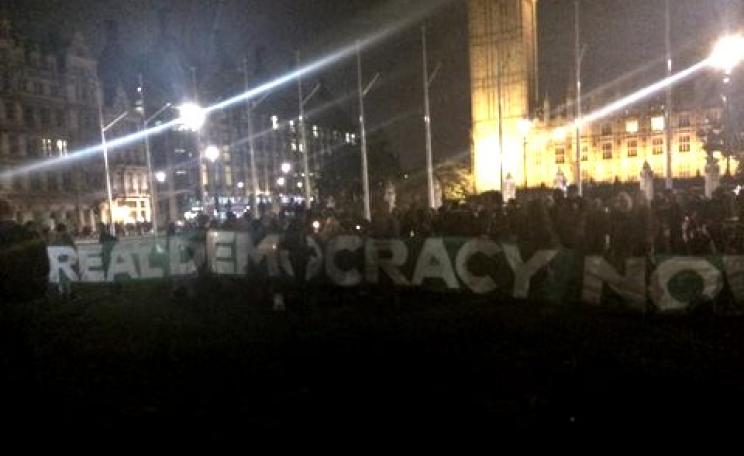
Last night the police were in full force in London's Parliament Square, writes Donnachadh McCarthy - forcibly removing Occupy Democracy protestors and snatching sleeping bags, cardboard and tarpaulins as illegal 'sleeping equipment', apparently on direct orders from the Mayor, Boris Johnson. Yet the rally keeps on growing ....
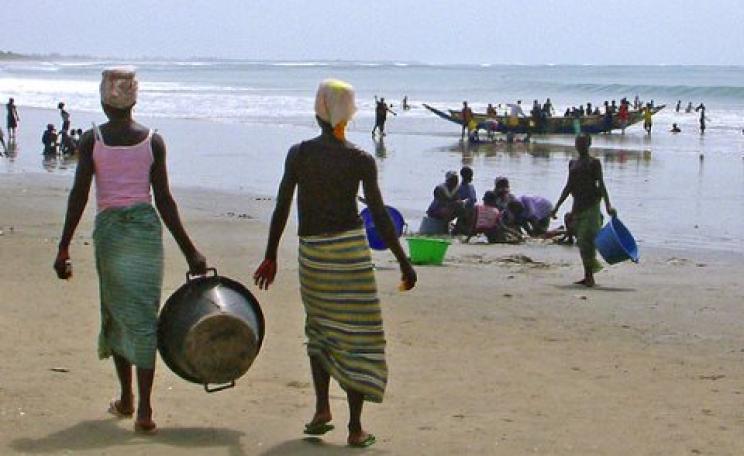
Small-scale fishing communities are key to any transition towards an ecologically and socially just food regime. But backed by the World Bank, powerful corporate interests are seizing their fish, seas and shores in the name of 'sustainability'. A revolution of the poor is needed to rebuild food sovereignty - and restore the oceans to the global commons.
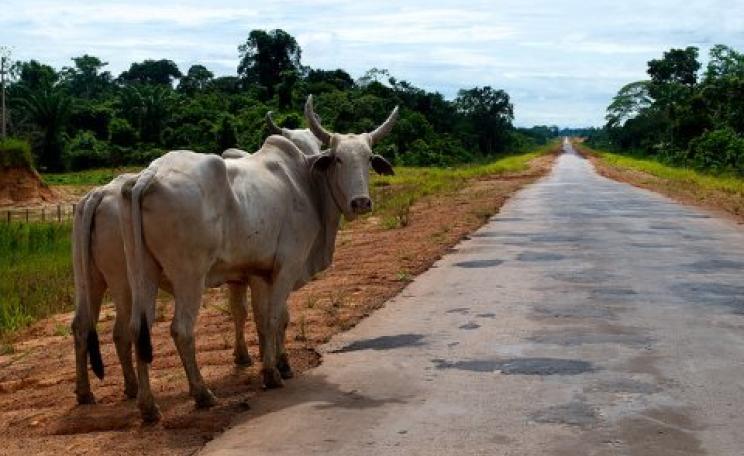
Deforestation in the Brazilian Amazon has been sharply reduced in recent years, writes Alex Kirby. But analysts say that palm oil and other cash crops are set for a major expansion, while high demand for beef, and administrative chaos, may undermine efforts to reform the ranching sector.
Almost three quarters of Australia's landmass is 'outback', writes John Woinarski, making it one of our planet's greatest natural areas. Yet it has many of the hallmarks of a 'failed state': its native peoples live on the margins, and its biodiversity is under threat. Now a new conservation model shows a way forward for both: Indigenous Protected Areas.
Donnachadh McCarthy went to Parliament Square yesterday to address a peaceful rally about the failings of British democracy. The intimidatory, violent and inflammatory police reaction only confirmed everything he had to say - as did the dignified restraint of the Occupy Democracy protestors.
Everyone loves family farming! And so they should, writes Holly Creighton-Hird, as family farms produce most of the world's food. But the UK Government has a funny way of showing it - favouring corporate agriculture and eliminating farm payments for small land holdings. It's up to us, the public, to support small, high welfare producers.
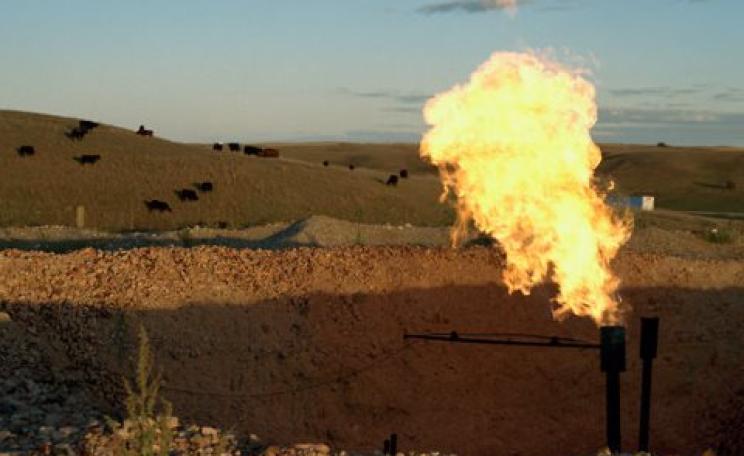
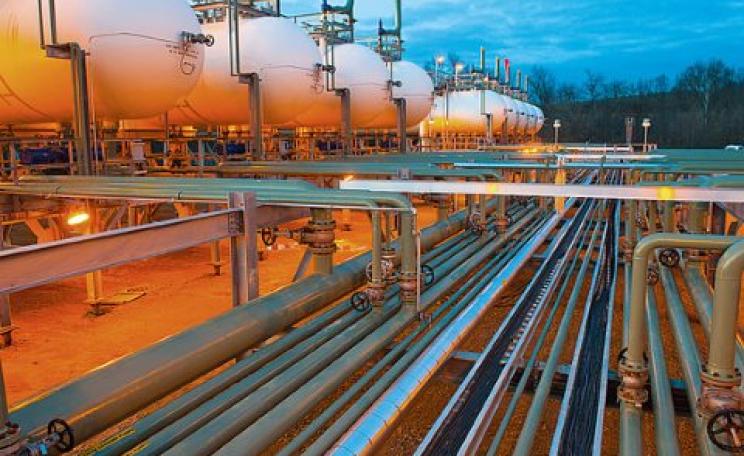
Floating over the US Southwest is a cloud of methane the size of Delaware, writes Mike G - reflecting the release of almost 600,000 tonnes of the powerful greenhouse gas every year. Its origins? Coalbed gas production, fracking and horizontal drilling.
Scientific uncertainties over future climate are widely used by 'sceptics' to justify a policy of no response, write Richard Pancost & Stephan Lewandowsky. But this reflects a deep misunderstanding: outcomes may end up much more severe than expected - and we should prepare for worst case scenarios.
Hinkley C's subsidy package may have won European Commission approval - but now it faces a National Audit Office 'value for money' investigation, following a demand from a powerful Parliamentary committee.
A full-scale rush for shale gas would increase emissions, writes Erik Bichard, giving the lie to politicians' claims that fracking is 'climate friendly'. A new study in Nature shows that abundant shale gas would cause CO2 emissions to rise by a median 4.5%. When 'fugitive' methane is included the figure rises to 9.5%.