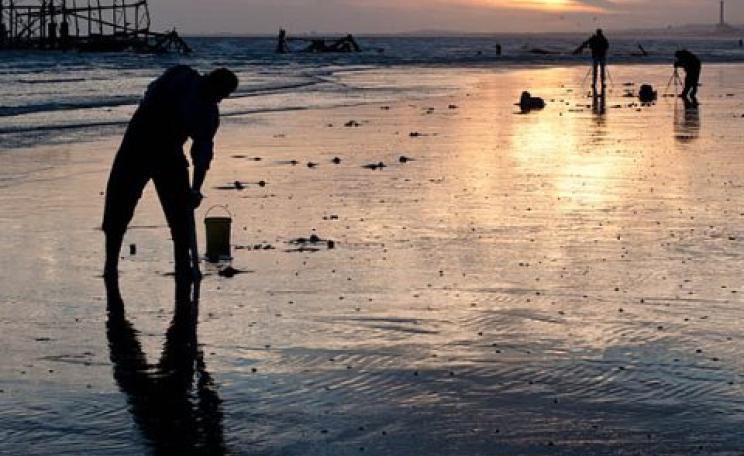
A common marine worm key to the richness of many coastal ecosystems is being damaged by the increasing ocean acidification that was thought to imperil mainly shellfish and coral, writes Alex Kirby. It's an unwelcome sign of more unexpected ecological changes to come.
Opponents of nuclear power hold up the planned Hinkley C as an examplar of waste and idiocy that could cost the UK over £30 billion in subsidies. Chris Goodall agrees - and fears that an impending fiasco with the 'unconstructable' and commercially disastrous EPR design may kill off the UK's nuclear aspirations for a generation.
Just as the UK Government is stirring up public anger against human rights, writes Anna Grear, its fast-track development of shale gas and oil shows that we need these legal protections more than ever. A new report shows how the 'dash to frack' is endangering our most cherished rights - to health, water, security and life.
A charge of 'criminal defamation' against Andy Hall, the Finnwatch migrant labour researcher who revealed the plight of migrant food sector workers in Thailand, was dismissed today. But with another three civil and criminal cases pending, he's back in court tomorrow.
The UK and 13 other EU trade ministers have written to the European Commission's new head imploring him to include secret, much criticised investor protections in the controversial TTIP, the EU-US trade and investment deal, writes Jurgen Maier. Is this a democratic snub too far?
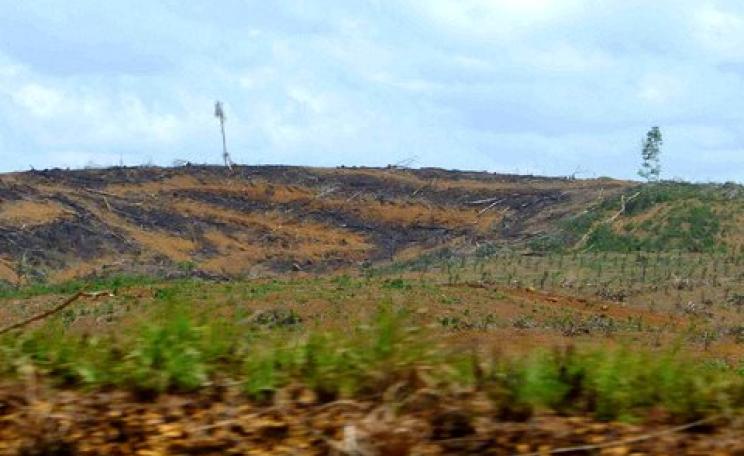
The medical response to the Ebola outbreak in West Africa has been monstrously inadequate, writes Richard Kock. But so has been recognition of the underlying causes - in particular the explosive spread of industrial oil palm, which disrupts the ecology of forests and farms, and undermines local economy and traditional governance, leading to a 'perfect storm' of disease.
Keith Barnham's new book reveals the giddying and glorious plethora of the solar technologies that lie at the heart of the all-renewable energy system that awaits us, writes Jonathan Porritt - making it 'one of the most exciting and genuinely hopeful books' that I've read in a long time'.
Just as 2014 is looking like going down as the hottest year since records began, motor-mouthed climate change deniers are shrinking into the shadows, writes Richard Heasman.
Peruvian law requires the government to recognise indigenous peoples's ownership of their lands. Yet 594 communities with claims to 20 million hectares of land remain with no secure title - leaving their forests open to illegal logging, plantations and settlement. Now one village is taking its demands to the courts.
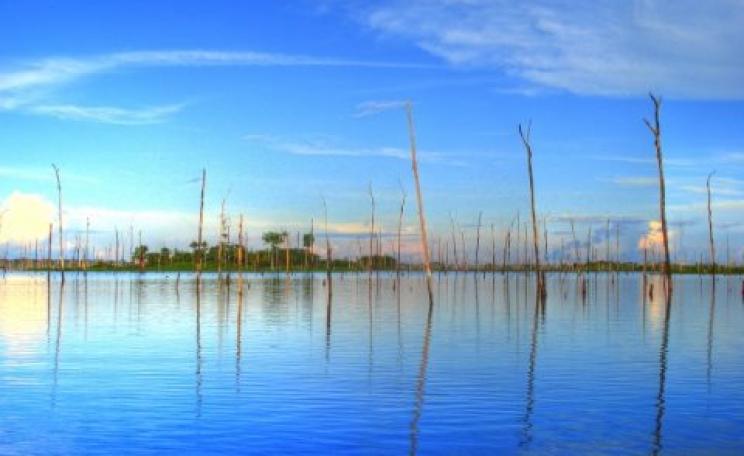
Brazil's newly elected Dilma Rousseff is committed to completing the disastrous Belo Monte dam, writes Helle Abelvik-Lawson. Worse, she looks certain to press ahead with the industrialisation of the Amazon, with 61 hydroprojects in the pipeline. And new scientific findings about the massive climate impacts of tropical forest dams are not about to stop her.
The bells of mindfulness are calling out to us, writes Thich Nhat Hanh, trying to awake us and remind us to reduce our impact on the planet. But more than that, to avert environmental catastrophe we must awake others too, and create a revolution in our collective human consciousness.
Dilapidated nuclear waste storage ponds abandoned 40 years ago containing hundreds of tonnes of fuel rods pose an immediate danger to public safety, photographs sent to The Ecologist reveal. The fuel and sludge in the ponds could spontaneously ignite if exposed to air, spreading intense radiation over a wide area.
A new wave power generator has moved closer to reality after successful testing in simulated marine conditions. An array of the 1.5MW 'Searaser' devices could be deployed on Britain's coast within a few years.
The US EPA has approved new GMO corn and soybean varieties resistant to both glyphosate and 2,4-D, writes Jim Goodman - and the highly toxic herbicide mix itself. In this latest escalation of the chemical war against nature there is one clear winner - Dow AgroSciences. But everyone else loses - farmers, consumers and our increasingly endangered wildlife.
If you don't want industrial agriculture ravaging the world to feed cities nutrient-deprived, genetically modified, chemical-drenched pap, here's an alternative, writes Matt Bevington: let cities grow their own fresh produce on 'vertical farms' in disused industrial buildings, restoring sustainability and accountability to the food chain.