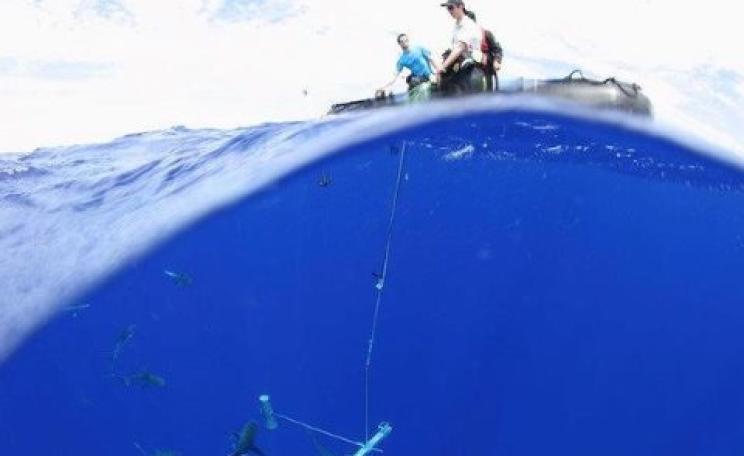
The Arctic is a special place, teeming with life, but it is under threat like never before, writes Robert Spicer - not just from climate change, but from oil drilling, industrial fishing and shipping, as receding ice creates now commercial opportunities. We must designate an Arctic Sanctuary where nature can reign undisturbed.
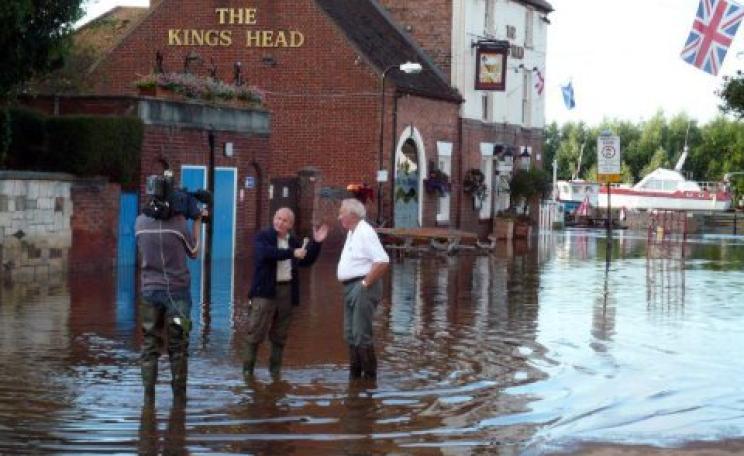
Such is the Government's neglect of our flood defences, revealed by a National Audit Office report, that they are failing to even keep pace with climate change, writes Guy Shrubsole. That alone is a national disgrace - but most shameful is that current expenditures mostly benefit the wealthy, while poor communities are neglected.
Mads Gilbert, a renowned 67-year old doctor and human rights activist who has saved innumerable lives in Gaza by working right through Israel's two most recent military attacks, has been banned by Israel from entering the territory for life. His 'crime'? Apart from healing the shattered bodies of Palestinians, he has dared to speak out about the horrors he witnessed.
In 2003 nations pledged to place 20-30% of the world's oceans into no-take marine parks, writes Jessica Meeuwig - but more than ten years on, such areas now cover just 1% of ocean area. Now the World Parks Congress in Sydney, Australia, provides an opportunity to drive marine protection forward, and benefit both ecology and economy.
Dow's teratogenic pesticide chlorpyrifos is a human and environmental disaster, writes Janette D. Sherman. It causes serious, irreversible damage to the human foetus even at low concentrations that may be harmless to the mother, resulting in severely and permanently disabled and mentally damaged children. But it's still sprayed in vast quantities on America's farms.
Setting aside her fondness for meaty delicacies, Mitra Wicks decided to follow the celebrity vegan trend. Buoyed along by the gastronomic pleasures of London's finest vegan restaurants, she declares the change a success - in terms of health, wellbeing, beauty ... and reducing the exploitation of animals in industrial farming.
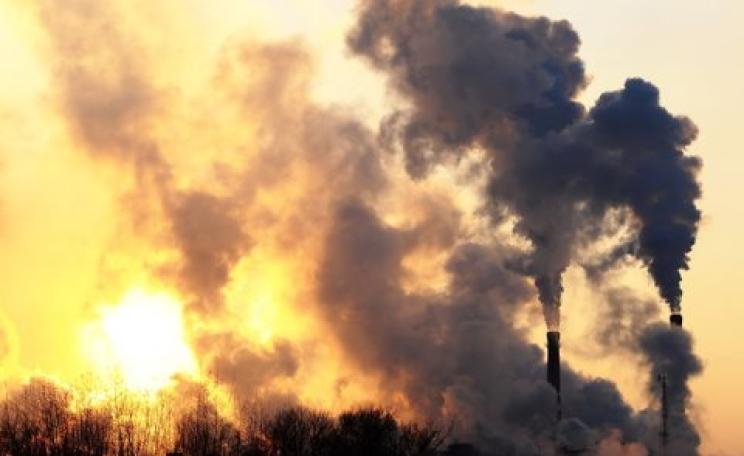
Efforts to tackle climate change have failed to make the slightest difference to the exponential increase in CO2 emissions, writes Mike Berners-Lee. The US-China deal at last offers hope that things could change - but to make it work other countries must come on board, and promises must transform into binding commitments.
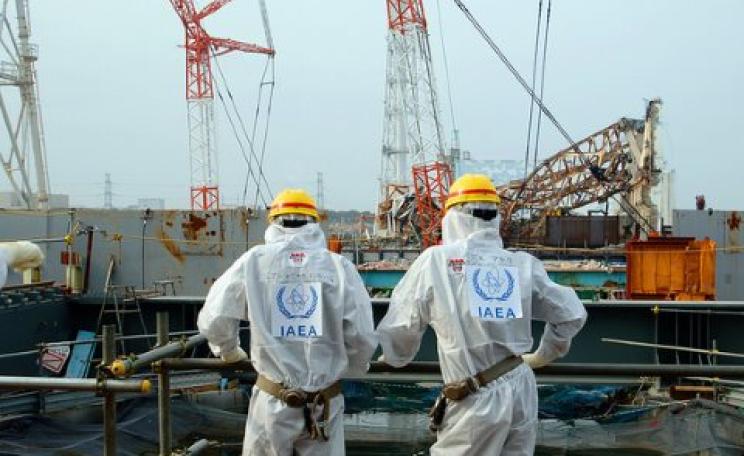
The clean up at Fukushima faces enormous challenges, writes Justin McCurry. First, managing 500,000 tonnes of contaminated water stored onsite. Next, removing molten fuel from reactors 1, 2 and 3, a task so hazardous that it's been put off until 2025. Even robots have been unable to enter the reactor buildings - and no one knows where the molten fuel has gone.
The country's first ever retrospective EIA finds that eight five-storey accommodation blocks built by Oxford University caused 'substantial' damage to historic views of the City's dreaming spires, writes Matthew Sherrington. Planners and University want to 'learn lessons' and move on - but campaigners are determined to cut the carbuncles down to size ...
Two new international agreements will help to save migratory birds from hunting, trapping and poisoning, and to protect their long-distance flyways. A key objective is to phase out lead shot within three years, and eliminate the toxic drug diclofenac.
Despite promises to phase out subsidies to the coal, oil and gas industries, a new report G20 governments are still providing them with massive financial help, writes Alex Kirby. The UK alone is spending over £1.2 billion per year to support fossil fuel exploration and production at home and abroad.
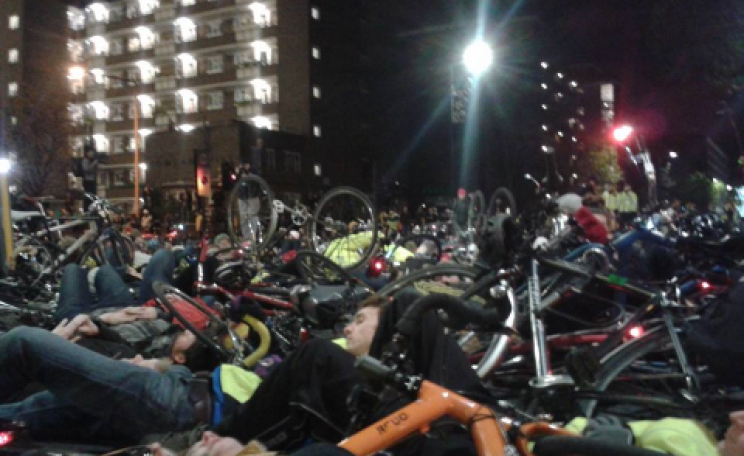
A year ago six London cyclists were killed in a horrendous spate of road violence, writes Donnachadh McCarthy. A demonstration this Saturday will mark their deaths, and demand Government action to improve road safety and reduce traffic pollution - moves that could save over 210,000 lives over the next decade.
A gathering of civil society and social movements in Venezuela concluded last week with a strong demand for climate justice, writes Maruška Mileta. Rich countries must stop passing off their 'false solutions' - from nuclear power to geoengineering - and pay the costs of a rapid transition to low-carbon world that brings renewable energy to all.
Last week Parliament had its first ever chance to debate a shadowy treaty dating back to 1958, under which the UK exported to the USA enough plutonium for over 1,000 nuclear warheads, writes David Lowry. But the core question remains unanswered - how can the treaty be reconciled with our sovereign obligations to prevent nuclear weapons proliferation?
China and the US have jointly pledged to limit their greenhouse gas emissions, as the Presidents of the two countries met for talks today in Beijing. The move is boosting hopes for the UN climate summit in Paris in 2015 - but is it really enough to restrain temperature rises?