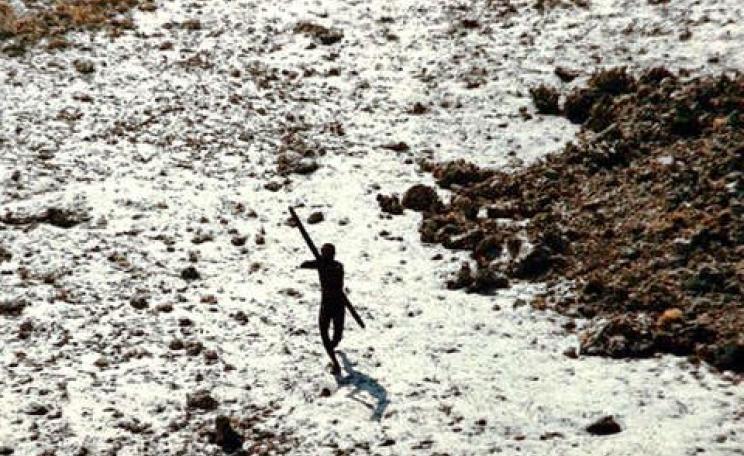
The last completely isolated tribe on the Andaman Islands in the Bay of Bengal is at risk from illegal fishing, with Burmese boats entering their waters and fishermen landing on their island home. But they had better watch out - two intruders were shot dead with arrows in 2006.
EDF has already moved heavy earth moving gear onto the Hinkley C nuclear power station construction site, writes Doug Parr - but that doesn't mean it's a done deal. On the contrary, a host of intractable problems are coming home to roost, and the increasingly troubled project is looking shakier than ever.
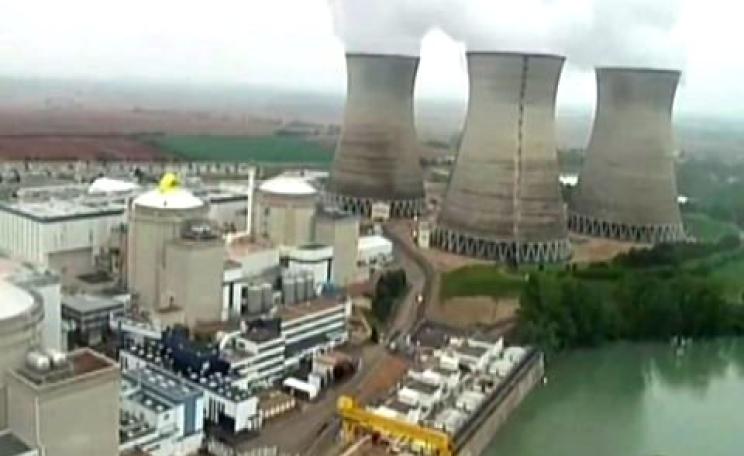
With unidentified drones regularly overflying French nuclear power plants, Daniel Salisbury and Christopher Hobbs warn that despite the dismissive responses of nuclear operators, they have cause for concern: the drones may be unable to cause serious damage in themselves, but they compromise site security and open the way to future attacks.
The best way to deal with embarrassing, inconvenient facts is to ignore them, writes Guy Horton. And this is precisely what the international community is doing over Burma's demographic anomaly - 9 million people who ought to be there, but aren't. Their absence is prima facie evidence of genocide - but as we all celebrate the 'brave new Burma', no one wants to know.
A landmark judgment by the European Court of Justice compels the UK Government to act as soon as possible to reduce air pollution in British cities, writes Keith Taylor - and a good thing too for our health, safety and wellbeing. But it's not just the UK that benefits: every EU country must also comply with the ruling.
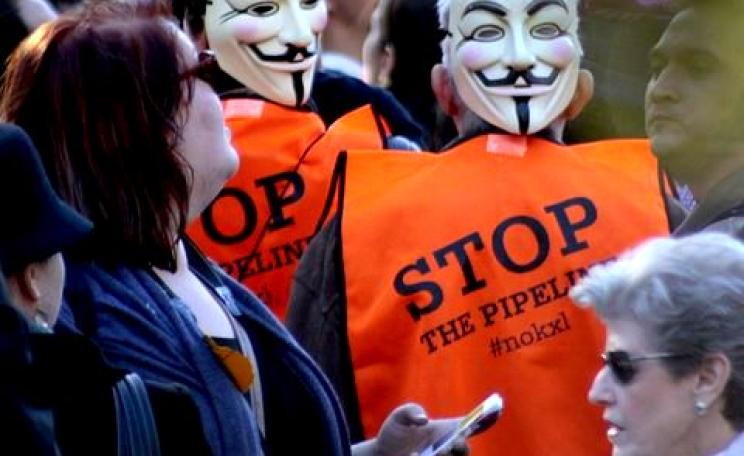
The enabling bill for Keystone XL failed yesterday in the US Senate. Supported by all 45 Republican senators, it fell one vote short of the required 60-vote threshold. But the victory will be a temporary one, writes Alexander Reid Ross. The final battle can only be won by massive grassroots engagement and protest in communities across North America.
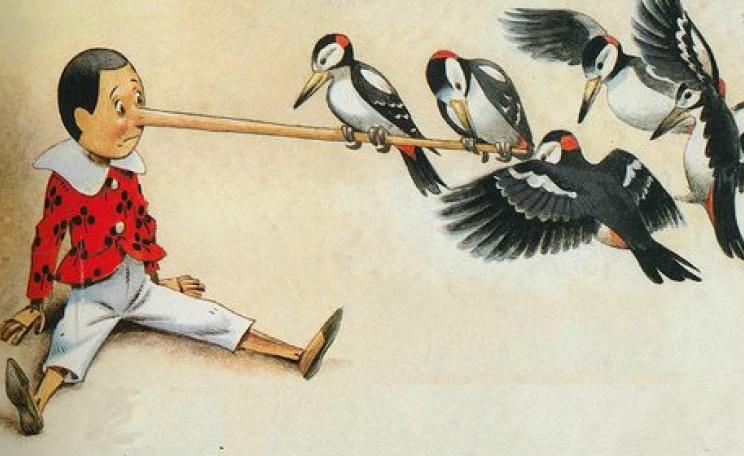
Who has the longest nose of them all? Worthy winners of France's fiercely contested 'Prix Pinocchio' 2014 were selected last night, recognising corporate greed, hypocrisy and malfeasance, based on a record vote since the awards began.
Farming today is well on the way to becoming a wholly owned subsidiary of the agro-chemical-biotech industry, writes Colin Tudge. Defra and the European Commission are all too keen to make it so, reflecting the interests of an agro-oligarchy obsessed with profits and growth at all costs. But there is an alternative. Join the 'real farming' agrarian renaissance ...
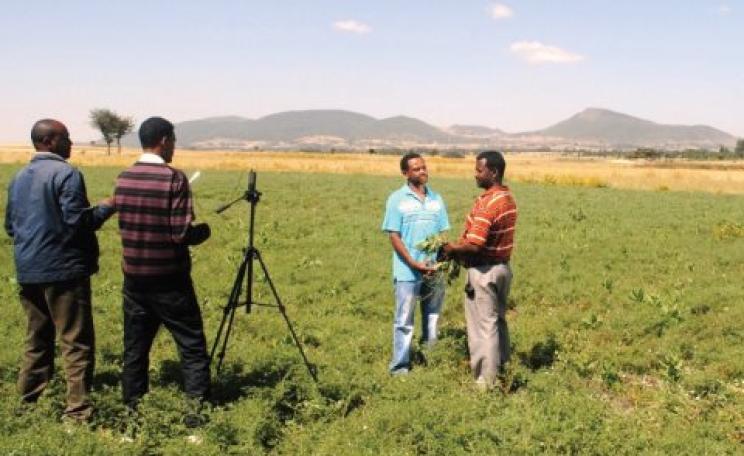
Modern technology has a lot to offer small farmers in poor countries, writes Tony Juniper - just not the GMOs and pesticides that are widely touted. But how about film, digital communications and smart phones? These new media can empower farmers and allow them to share knowledge and experience of how to produce more, from less.
The Leader of the US Senate says that under the China-US climate deal, China can 'do nothing at all for 16 years'. John Mathews and Hao Tan examine the claim - and find it's the very reverse of the truth. China is leading the world in greening its energy supply, and has committed to add a massive 1.3GW of renewable power capacity every week for 15 years. Now Mitch - beat that!
As Peru prepares to host UN climate talks, Global Witness exposes the murder of Peruvian eco-defenders - 57 killed since 2002, including indigenous leaders protecting their forests from illegal logging ignored by police and Government.
Democratising energy would save thousands of lives a year in Britain alone - releasing us from the clutches of corporate utilities, and building an energy commons in which we are all owners and participants, no longer captive, exploited consumers. More than that, it would be a big step forward in saving the planet.
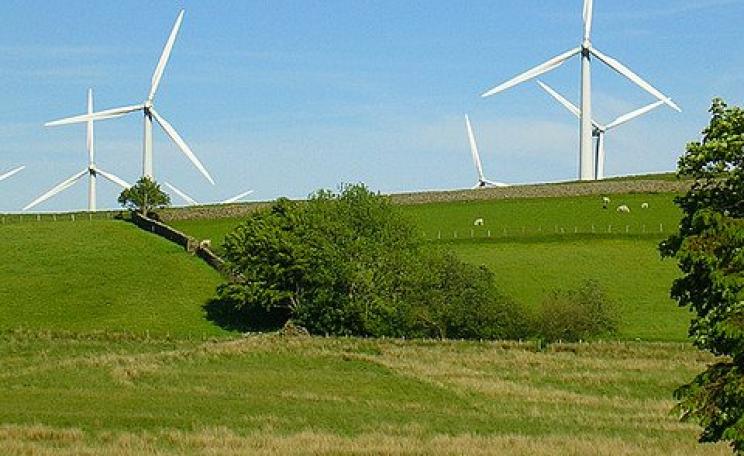
As the governing conservative party lurches ever further to the right, writes Kyla Mandel, it feels like UKIP has already won the election - six months before it's even happened. Tory ministers are already executing UKIP policies, with their ignorant but implacable hatred of renewable energy in all its forms.
In a blunt rebuke to Australia's prime minister Tony Abbott, US President Obama stated that 'every nation has the responsibility to do its part' on climate change, writes Michelle Grattan - in a clear reference to the G20 host's backsliding on climate promises.
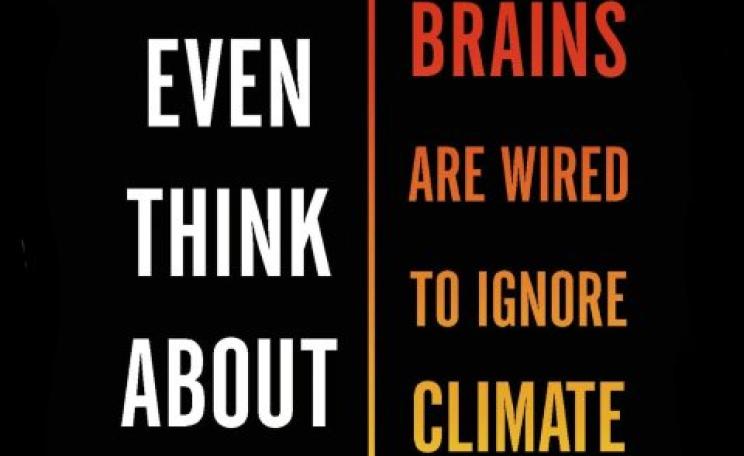
Death threats, abuse and torrents of online hatred show how climate change scientists are demonised, writes Tim Radford, in a way without parallel in the history of science. It's all set out in a new book that explores both climate change denialism, and our inaction despite overwhelming evidence: 'Don't Even Think About It'.