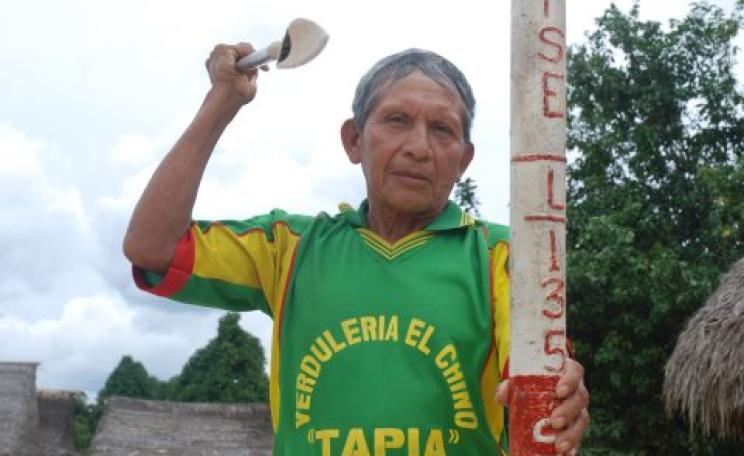
Peru - host of the COP20 UN climate conference now under way in Lima - is facing rebellion by a 3,500 strong indigenous people deep in the Amazon committed to fighting oil exploration in their forest territory, writes David Hill, following the government's failure to consult Matsés communities or respect their rights.
Israel has exploited the legal ambiguity of its military rule of Palestinian territories, writes Tony Klug - cherry-picking Israeli law, Ottoman law and Geneva Conventions to suit its purposes. Israel must now decide - is it an occupation, or an annexation? Only once that decision is made, can Israel's slide towards apartheid be halted.
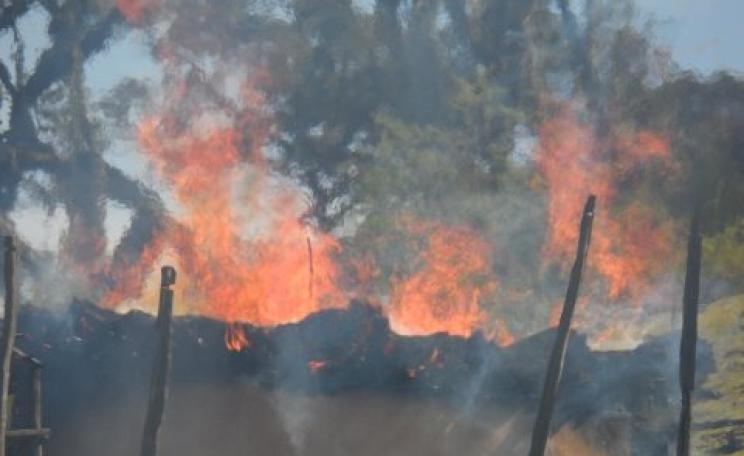
Financed by the World Bank, the Kenya Forest Service has intensified its illegal campaign of evictions, arson, beatings and arrests of the Sengwer forest people of the Embobut forest, Dean Puckett reports from the Cherangani Hills. And behind the violence lies the lure of hard cash - from the prospect of selling the forest's carbon to international financiers.
The expected melting of sea ice in Canada's Arctic Archipelago will progressively render huge areas unable to support viable polar bears populations, writes Tim Radford. By 2100 the polar bears could be pushed out altogether.
As land rights of indigenous peoples are increasingly being violated, writes Tim Radford, new research shows that the planned destruction of the Amazon rainforest is a major threat not only to cultural identity but also to the global climate.
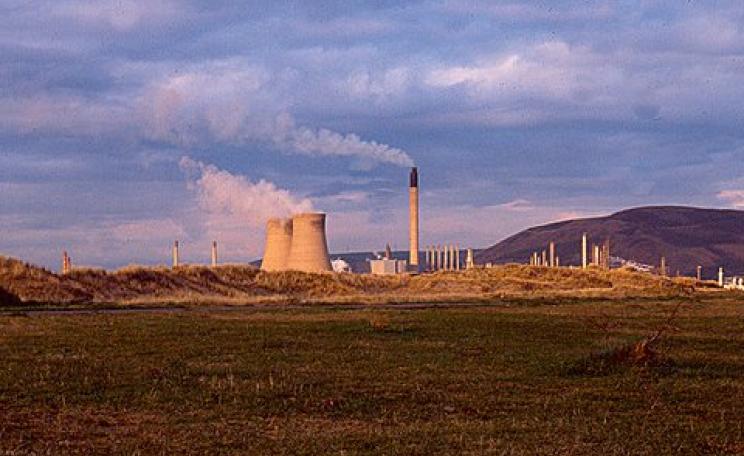
East Liverpool, a small city by the Ohio river, is a cancer-ridden dumping ground for the detritus of the global economy, writes Caitlin Johnson. With its filthy power station, coal ash lake, 1,300 fracking wells, silica sand mountains and a huge toxic waste incinerator, the city's people need your help in their fight for environmental justice.
Are recent oil prices slumps caused by OPEC ganging up against tar sand and other high-cost producers? Or a sinister conspiracy to destabilise the Russian economy? Far from it, argue Jemma Green, Mark Andrich and Peter Newman - it's the simple result of an excess of supply over demand. And the low prices will be with us for some time to come.
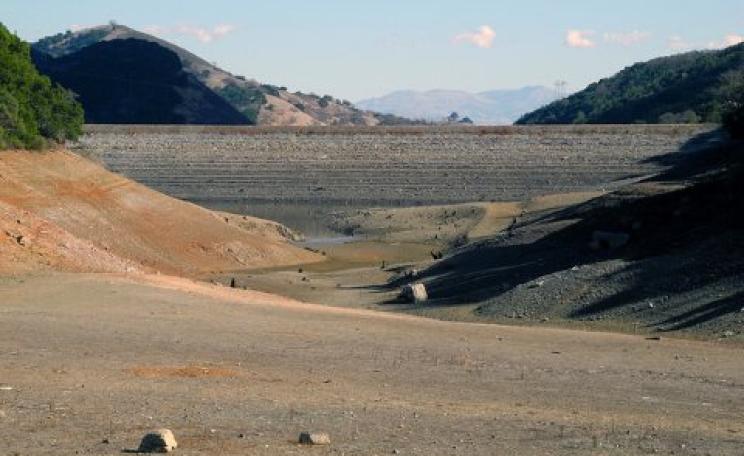
Thanks to cheap water and plentiful sunshine, California grows most of the US's fruit, vegetables and nuts, writes Joshua Frank. But with the drought looking ever more permanent, the $40 billion industry is facing a terminal crisis. It's only a matter of time before we have to rely on local produce - so let's make a start now!
The white rhino is in deep trouble after a new surge of poaching. But the fact that it's there at all is largely thanks to one man: Ian Player, who saved the white rhino from near-certain extinction in the 1960's. Earlier this year Nicola Graydon met Dr Player at his home in South Africa, to record his last major interview.
The UK Government plans to lock consumers into a 2.5bn a year, 15-year spend to support peak-time fossil power generation - while undermining energy demand savings capable of achieving the same purpose more cleanly and cheaply. But today the 'unlawful' system has been hit by an ECJ lawsuit.
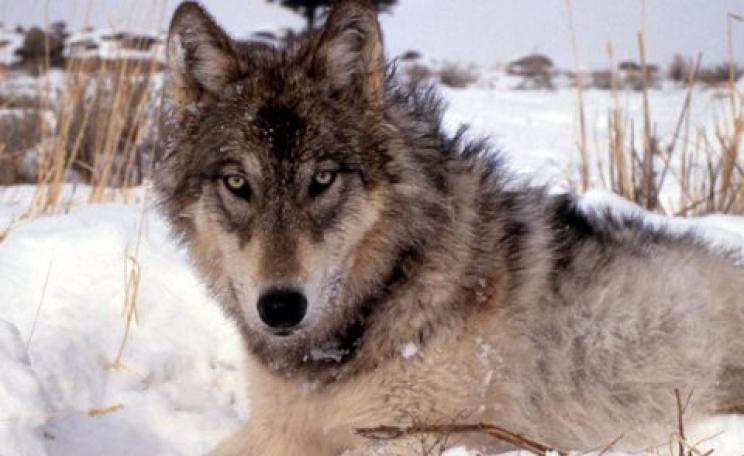
Farmers who shoot wolves and other predators to save their animals from predation are actually having the opposite effect, writes Niki Rust. The disruption that killing predators has on the stability of their families and packs actually causes more, not less predation. Ultimately, we're better off learning to live with predators.
After an apparent cave-in to Europe's pesticide industry, the European Food Safety Authority's latest guidance on pesticides conflicts with European law, writes Georgina Downs - by ignoring the real-life agrochemical exposure of rural residents. Commission President Juncker must step in and demand the withdrawal of this disgraceful document.
Traditional melodies collected from Nordic countries and filtered through MaJiKer's unique sonic imagination are raising awareness, and funds, for nature conservation. He spoke to Laurence Rose about a four-year labour of love inspired by nature and the sounds of the high North.
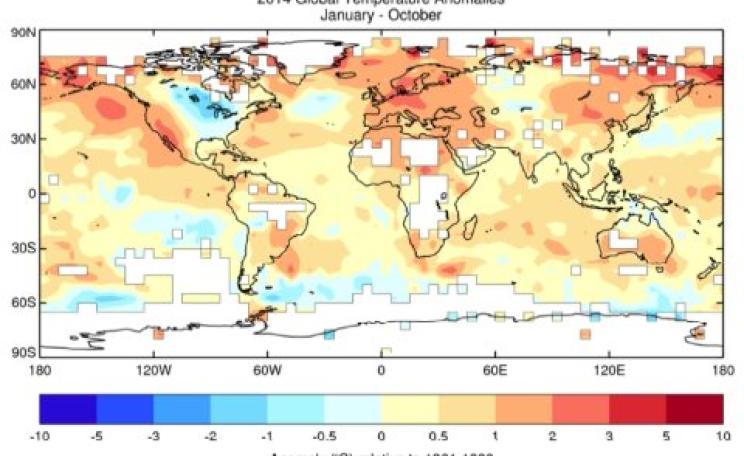
The year 2014 is on track to be one of the hottest, if not the hottest, on record, according to preliminary estimates by the World Meteorological Organization (WMO). Their latest report, issued today at the UN climate talks in Lima, shows exceptional heat and flooding in many parts of the world.
Las Casitas is a small community living on the edge of one of the world's largest coal mines, writes Richard Solly - one inhabited by the descendants of escaped slaves, located in the poorest region of Colombia. The village is under imminent threat of forced displacement by the brutal corporation that runs the Cerrejón coal mine.