The apparently lower productivity of organic farming systems is caused by research bias, writes Lauren C. Ponisio, and the far greater research spending on 'conventional' agriculture. Funds should be redirected to agro-ecological methods that are highly productive, sustainable and maintain biodiversity.
Long-disused oil and gas wells in the US have been found to be a 'significant' source of the super greenhouse gas methane, writes Richard Heasman. The climate impact of oil and gas is underestimated, as this long term impact is not included in existing calculations.
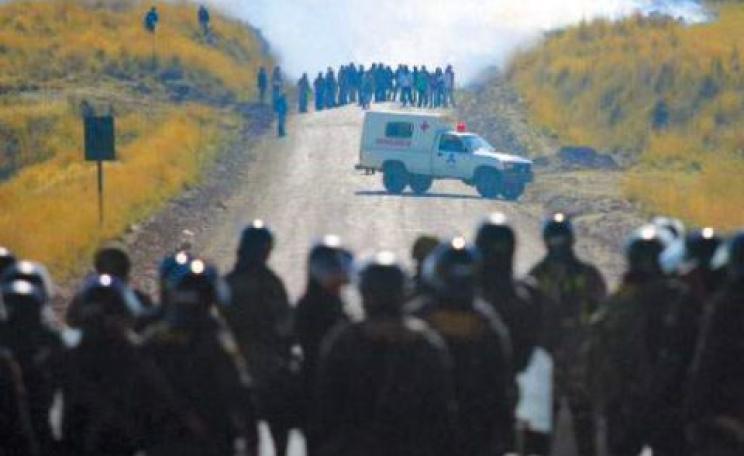
A new wave of ruthless conquistadors has arrived in Peru, write Aldo Orellana Lopez and Philippa de Boissière - global corporations after minerals, oil, gas, timber, land ... And instead of brandishing the Bible and the sword, they proclaim high sounding policies on environment and human rights, while co-opting police and politicians in their pillage of resources.
Austria's pledge to strive for the elimination of nuclear WMD kindled fresh energy and hope at this month's Vienna Conference on Nuclear Weapons, writes Rebecca Johnson. Now we must maintain the momentum towards global nuclear disarmament at the May 2015 meeting of the Non-Proliferation Treaty.
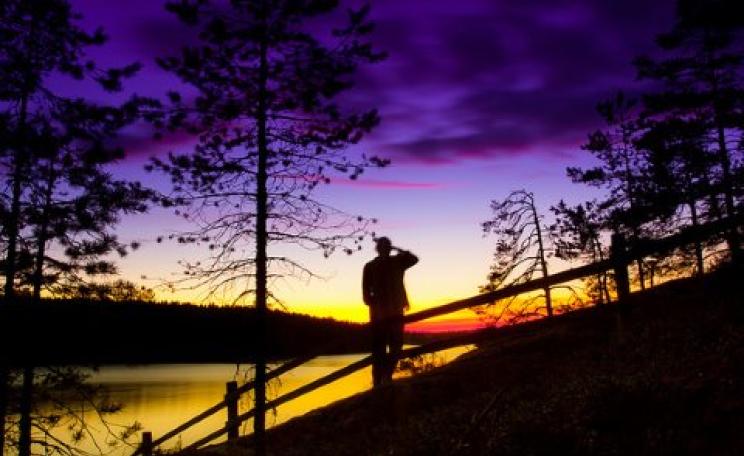
Rising temperatures in the Arctic are reaching further south to the lakes and forests of Finland, writes Alex Kirby. But the warming is not affecting summer temperatures - it's concentrated into the colder months, causing a shorter, less severe winter.
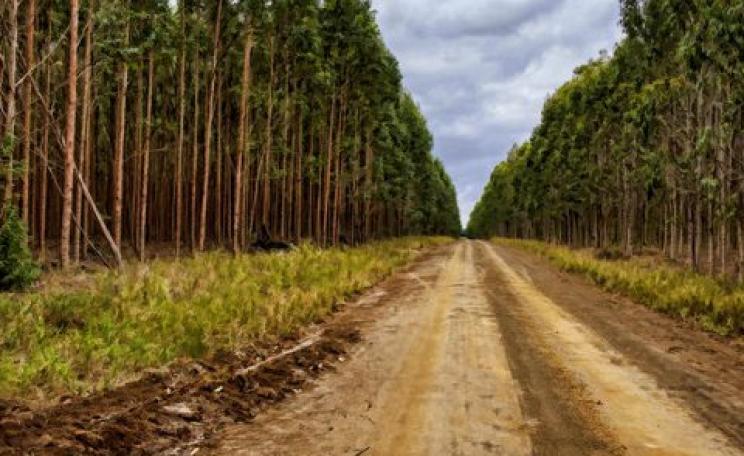
The UN Food and Agriculture Organization's definition of 'forest' includes commercial plantations of fast growing trees - often replacing biodiverse native forests relied on by local communities. FAO must stop using this mis-definition to claim that forests are expanding, when the reverse is the case.
The official investigation into the downing of MH17 is without precedent in the history of aviation, writes James O'Neill, as it gives one of the prime suspects, Ukraine, a veto power over publication of the report. Grieving families of the victims may never know know the truth, as geopolitics triumphs over justice.
The world's mussel population could be under threat as rising CO2 levels in atmosphere and oceans makes their shells weaker and more brittle shells - making them more vulnerable to stormy seas, and predation.
Under the TTIP US-EU trade agreement, the world's largest chemical corporations would be able to attack US states' attempts to regulate for chemical safety, writes Patrick Gleeson. In both the US and the EU, corporate rights - asserted in secret courts - would trump democracy and attempts to raise health, safety and welfare standards.
Sarawak's lucrative logging industry has given rise to dynasties of enormous wealth and political power, writes Chris Lang, as revealed in this courageous investigation by Lukas Straumann. And the kingpin is multi-billionaire Abdul Taib Mahmud, Chief Minister of Sarawak for 33 years, whose whose property empire spans the globe.
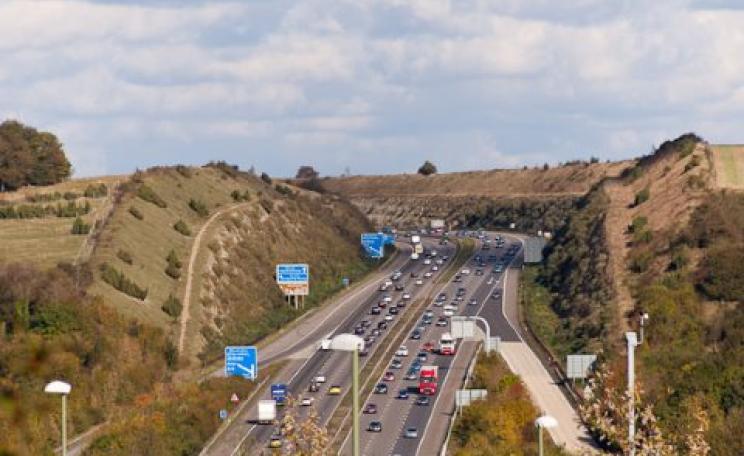
London Major Boris Johnson has taken a key first step towards a new Greater London National Park to safeguard the city's green spaces, waterways and natural treasures - and open them up for people to enjoy.
Recent falls in oil prices give 'greens' cause to rethink arguments about 'peak oil' and get back to why they are really opposed to fossil fuels, writes Dr Steve Melia. Ultimately, it's not the economic evidence that drives government decisions - it's the politics!
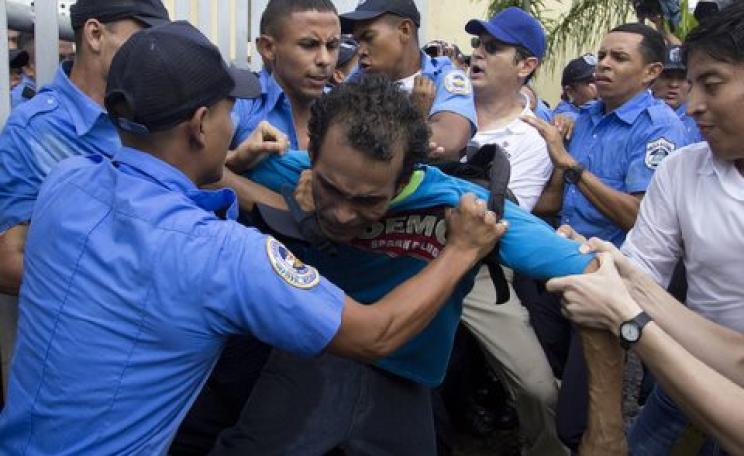
Work on Nicaragua's rival to the Panama Canal rival has begun amid growing fears over its human and environmental impacts, writes Maya Collombon - and a host of unanswered questions about China's role in the project and what benefits, if any, it will bring to ordinary people.
Film maker Nick Breeze has conducted a series of interviews with experts on 'geo-engineering' to forestall runaway global warming. Here he presents the distilled wisdom from his meetings - and concludes that we should at least be experimenting with the techniques, and studying their impacts.
As families across the country stock up on food for Christmas feasting, Giulia Barcaro urges them to give a thought to animal welfare - read the label to discover whether the meat you're buying comes from high-welfare farms, or has condemned a sentient creature to a life of suffering.