A salmon fishing cooperative in the Pacific Northwest draws on indigenous practices and state of the art technology to be among the world's most sustainable and selective fisheries, writes Kevin Bailey. With its clean harvesting techniques, minmimal bycatch, 99% survival rates for released fish, renewable energy supply and efficient supply chain, it sets a standard for all to follow.
Despite a raft of legislation to protect our wildlife, 60% of our key species are in decline, writes Jenny Jones. That's why we need a new and positive approach, going beyond protection to rebuilding flourishing, sustainable wildlife populations. And people too will see the benefits - in our own as is our health and wellbeing.
Building resilience to flood and drought is all about working with farmers, writes Colin Tudge. Simple things like ploughing across slopes, not up and down them, planting trees, and caring for soils, can make a huge difference in helping rainwater to sink into the ground, not run off. And to make it happen, the government must take a lead.
The government appears as determined as ever to push ahead with fracking as a central plank of its energy policy, writes Richard Heasman - ignoring growing evidence of health and environmental harm. But with the economics of fracking undermined by heavy energy price falls, the UK industry may never get off the ground.
Charlatans, or planetary saviours? Post-Paris views on the nuclear industry suggest few experts believe it will bring closer a world rid of fossil fuels, writes Paul Brown. Despite the best efforts of nuclear lobbyists, no revival is due any time soon.
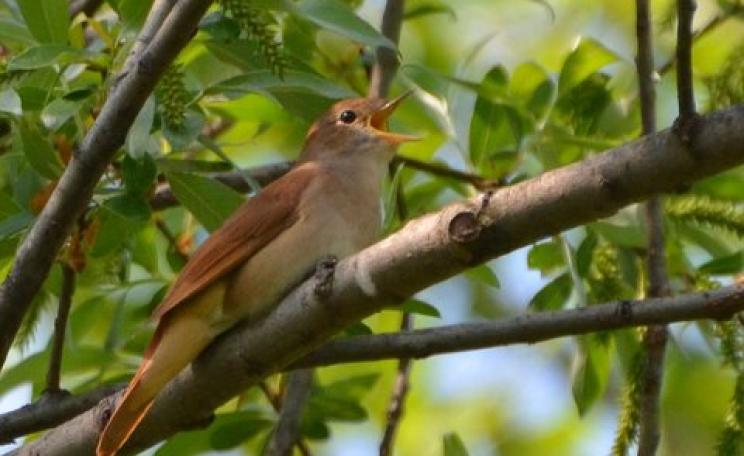
When Tory MP Mark Reckless jumped ship to join UKIP last September, one of his reasons - missed by mainstream media - was his outrage at Medway Council's plan to build 5,000 houses on an internationally important sanctuary for nightingales, after ministers tipped the wink that they would 'green-light' the scheme.
Disaster threatens England's nightingales, already down 90% in 40 years, if ministers fail to block a plan to build 5,000 homes on SSSI breeding site in Kent. But as Robin McKie writes, the government is showing no sign of intervening, as campaigners warn of an 'open season' for development on our most important wildlife sites.
Higher oil production and falling demand are creating big problems for the fossil fuel industry, writes Kieran Cooke. Risk-averse investors, spooked by drastic oil price falls, are turning away from the sector in search of more secure returns.
The UK government celebrated Christmas by donning Santa suits and throwing a £1 billion subsidy down the fuming smoke stacks of the UK's biggest power companies, writes Alan Simpson - a massive payment at the expense of UK energy users, for doing what they should be doing anyway. Have a Brave New Year!
This day 20 years ago one of Britain's most committed and effective environmental campaigners died trying to save a coastal forest in southern Madagascar from mining, writes Yvonne Orengo. The world has been a poorer place without Andrew Lees - and his fears for the Petriky forest and local indigenous communities have been proved all too close to the mark.
Governments are still spending billions on nuclear research, writes Paul Brown - but 2015 looks like being an unhappy year for the industry as it continues to shrink while renewables grow, amid massive delays and cost over-runs.
Of course rising world population matters, writes Biff Vernon, due to its impact on the planet and its resources. But to actually do something about it, don't even mention the 'p' word. Instead let's cut back on our wasteful, high-consumption lifestyles - and empower women everywhere!
An exotic parasite is spreading through the world's honey bees and global warming is making it worse, writes Robert Paxton. A new study that shows it will soon be causing widespread colony collapse in North America and Europe.
Freezing Christmas leftovers can save families money, help the environment by reducing food waste, and tickle our tastebuds with new and exciting flavours, writes Gavin Ellis - who shares delightful recipes to make the most of your Christmas sprouts, turkey and plum pudding ...
In 1976, it looked like a good idea: to divert the waters of the Danube into a salt-water lagoon on Ukraine's Black Sea coast, and irrigate millions of hectares of arid steppe land, writes Dimiter Kenarov. But the result has been human and environmental disaster on an epic scale.