A new financial crisis is threatening to dwarf the 'subprime' mortgage debacle, writes Paul Mobbs. Cheap money from central banks has fuelled some $1.3 trillion of risky investments in high-cost 'unconventional' oil and gas. Now, with oil sinking below $60, all that paper is turning to junk - and that's putting the entire economic system at risk.
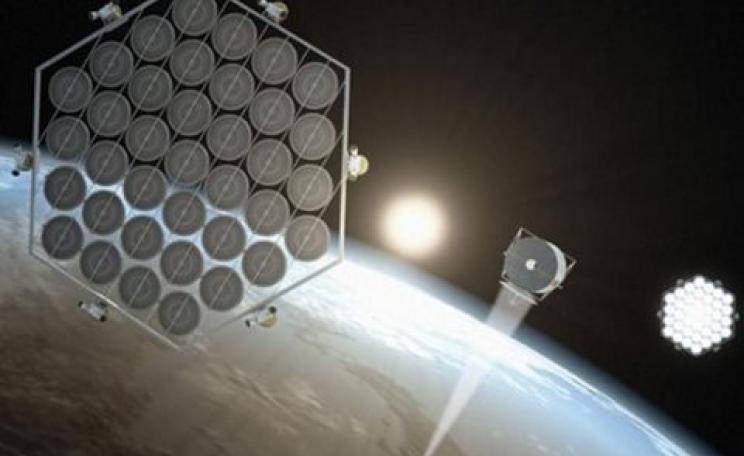
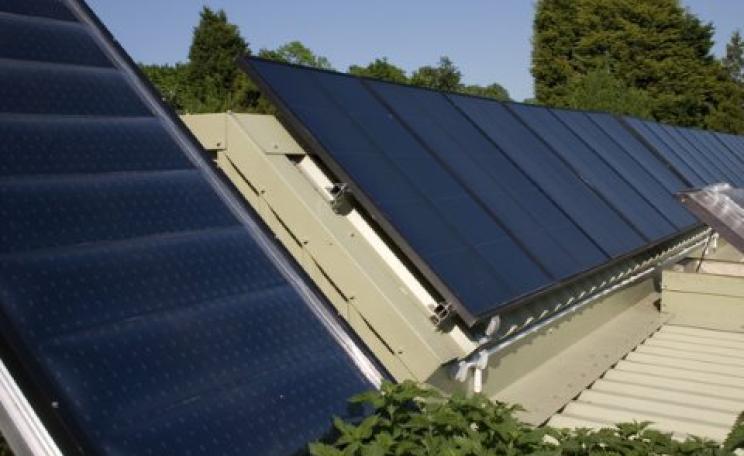
A bunch of innovations are taking place in the world of solar power, writes Zachary Davies Boren - and one or more of them could just propel the technology from providing just 1% of the world's electricity, to dominating the world's energy supply. Provided they work ...
The European Commission has dropped measures to improve air quality and reduce waste from its work plan for 2015 - instead 'cutting red tape' and prioritizing 'jobs, growth, investment' at all costs.
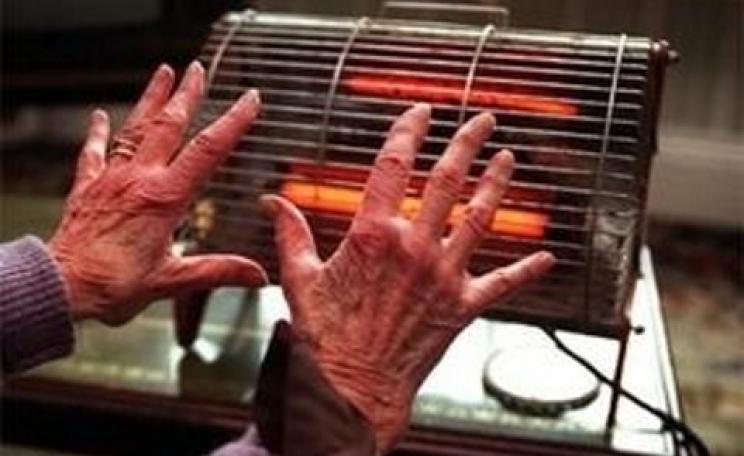
Privatised energy has failed us, writes Sam Lund-Harket. While energy company chiefs earn millions of pounds a year, one in ten English households live in fuel poverty. But there is another way. All over the world countries and communities are taking energy, water and other essential public services back under democratic control.
In 2011 the US firmly ruled equity out of climate negotiations, writes Chukwumerije Okereke. But in the Lima climate talks the poor countries put the moral dimension where it belongs - at the heart of any future climate treaty.
Communities facing around Taiwan's Taoyuan Airport are facing huge land grabs for a vast airport city that will line the pockets of powerful officials, politicians and developers, but leave them with nothing, writes Rose Bridger. Now, faced with official abuse and police brutality, they are fighting back with street protests and art projects.
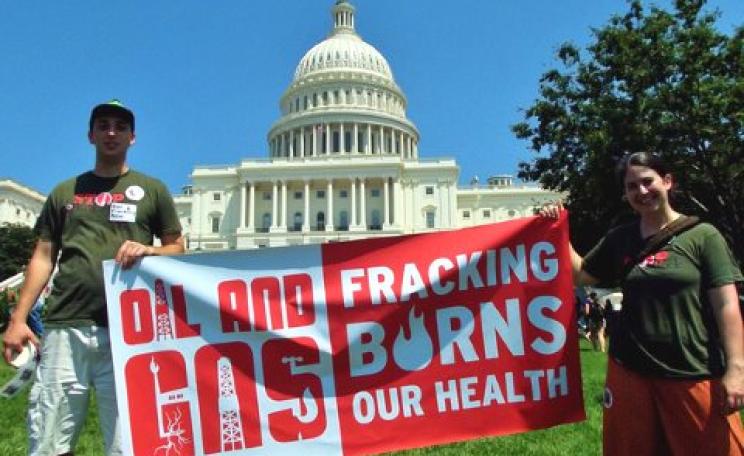
Fracking for oil and gas uses a wide range of chemicals that disrupt reproductive function in both sexes, writes Tamsin Paternoster. Now an academic study has found a powerful correlation between stillbirth, miscarriage, low sperm count, and exposure to fracking chemicals.
COP20 has just laid the foundations for a non-agreement in Paris in 2015, writes Assaad Razzouk - thanks to the pernicious influence of fossil fuels, poisoning debate and subverting serious climate action. Now there's only one earthly power big enough to fight back.
After a second extra day of climate talks in Lima, an agreement has been cobbled together. Deadlines have been set for the world to come up with plans to curb emissions and adapt to climate change - but has been no progress on the key divisive issues, and the prospects of an effective mew treaty in Paris next year remain remote.
As well as being masters of water engineering, the Romans also engaged in a long distance trade in water across the Mediterranean - embodied in grain, oil, wine, cloth, metals and other goods. They also discovered the food-water-energy nexus - and not in a good way. We need to heed the warnings from Roman history.
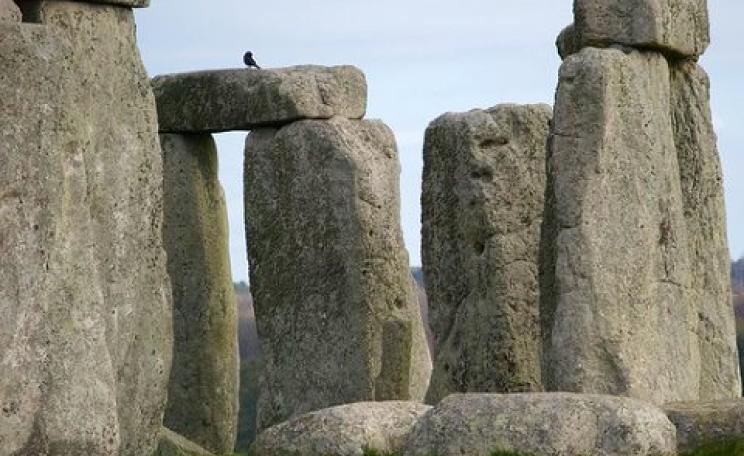
The government's plans to tunnel the A303 under the Stonehenge World Heritage Site has one grievous flaw, writes Kate Fielden. The tunnel is too short, so huge portals and graded junctions at both ends would lie entirely within the WHS causing huge damage to landscape and wipe out archaeological remains.
In a familiar ritual, the COP20 climate talks have been extended for an extra day as delegates struggle to reach some kind of agreement. The good news is that worthwhile emissions reductions may be achieved - but poor countries are asking: where's the money?
Solar power has a sunny future - even without any major breakthroughs, writes Ralph Gottschalg. There are huge gains to be made simply by getting smarter and using existing technologies more effectively. A new report shows that - given political support - solar PV could be competitive in the UK by 2020.
The EU faces a choice: a green, democratic future of clean prosperity and social justice? Or a dirty future of corporate domination with resurgent nuclear power, expanding fossil fuels, GMO agriculture and weak human and environmental protection? Junckers' Commission represents the latter. We must assert our own vision - or there will be little worth staying in for.
An anti-environment plot by Junckers' Commission would abandon agreed 'green' laws for clean air, waste reduction and recycling. But the leak of key documents to EurActiv has stimulated fierce opposition by Green MEPs and environment groups, while eleven EU countries have called on Junckers to hold to the green laws and speed up their implementation.