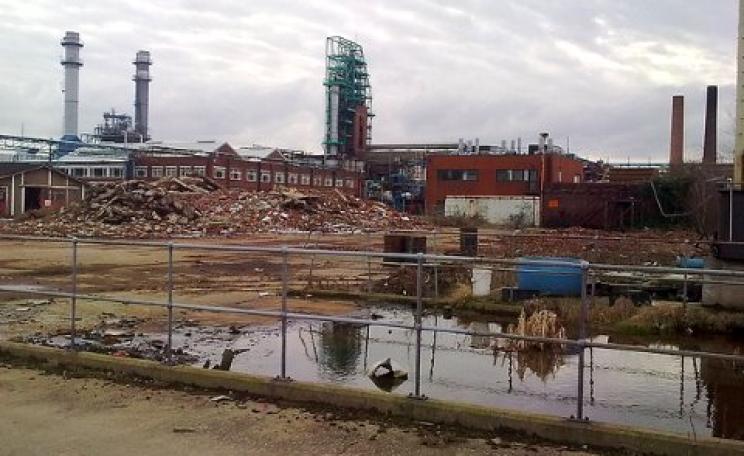
As Cameron 'cuts the green crap' Paul Mobbs remembers how the decisions of a Conservative government 20 years ago to go easy on the owners of contaminated land and old waste dumps have led to present day blight, ill-health and death. Now brow-beaten regulators and politicians in hock to party funders are doing it all over again.
As Brazil's climate gets drier, caused by deforestation in the Amazon and elsewhere, writes Jan Rocha, a Brazilian climate expert proposes five-point 'battle plan' to save the world's greatest tropical forest, before it's too late.
We live in an age of propaganda by the 'mainstream' media, writes John Pilger. Inconvenient stories, truths and even entire countries are airbrushed away, while dominant narratives are parroted incessantly to bludgeon our minds in acceptance of war, injustice, austerity, all to serve the interests of our ruling elites.
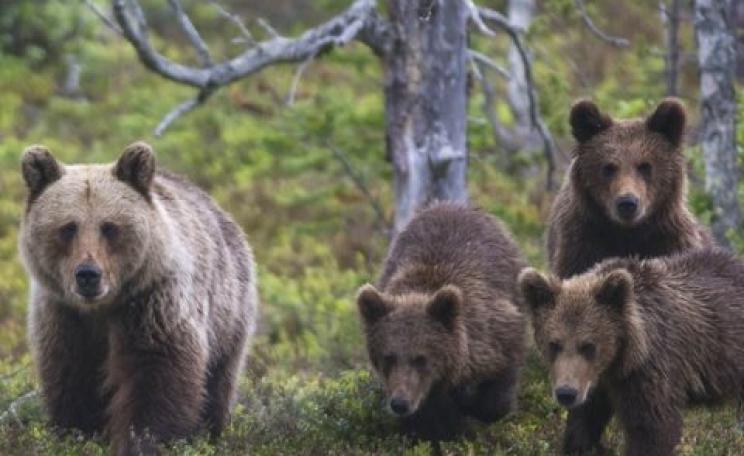
If you go down to the woods today you're in for a big surprise, writes Jocelyn Timperle - Europe's bears are are on the increase, with 17,000 of them at large, along with 12,000 wolves, 9,000 lynx and 1,250 wolverines. Moreover these carnivore populations are co-existing with people with remarkably few problems.
The Warsaw 'COP-19' climate negotiations were a widely acknowledged failure. But Assaad Razzouk sees a small silver lining among the dark clouds. There is a real prospect of effective action on climate in the run up to COP20 in Paris, 2015.
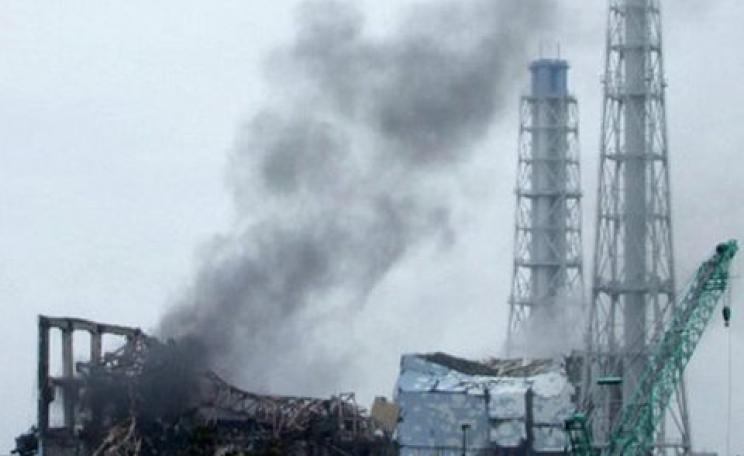
The nuclear industry and its supporters have contrived a variety of narratives to justify and explain away nuclear catastrophes, writes John Downer. None of them actually hold water, yet they serve their purpose - to command political and media heights, and reassure public sentiment on 'safety'. But if it's so safe, why the low limits on nuclear liabilities?
The new Commission may have dropped environmental protection from its 2015 work plan - but it's pressing ahead with a new Directive to protect corporate secrecy, threatening consumers, journalists, whistleblowers, researchers and workers.
Despite record heat and drought Australia's emissions and coal exports are soaring, says a new report, and both are increasing as a matter of government policy. But a homegrown climate action movement is putting a spanner in the works - and just stopped its first coal train.
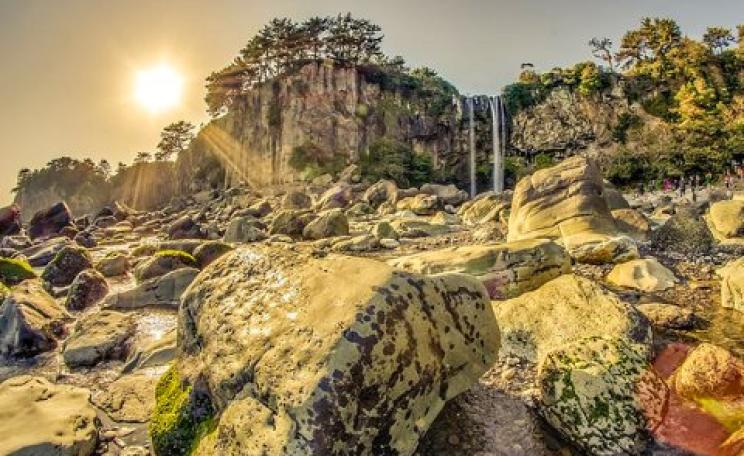
Korea's Jeju Island has been dedicated to peace ever since over 30,000 people were massacred there in 1948, writes Mica Cloughley. But now the US's 'pivot to Asia' demands a new naval base rejected by 94% of voters, and mobile phone giant Samsung is leading the construction project. Islanders are fighting every inch of the way.
England's 2014 badger cull has failed to meet key targets for effectiveness with such low numbers of animals shot that TB spread is likely to be increased. But Defra boss Liz Truss insists the cull will go on regardless.
As flagship nuclear projects run into long delays and huge cost overruns, solar and wind power are falling in price, writes David Elliott. Renewables already supply twice as much power as nuclear. It's just too bad the nuclear-fixated UK government hasn't noticed.
Nuclear energy is essential to preserve the world's biodiversity, according to 69 conservation scientists. But there's a mysterious omission in their analysis, writes Jim Green: nuclear weapons proliferation. And after a major exchange of nuclear bombs, and the 'nuclear winter' that would follow, exactly how much biodiversity would survive?
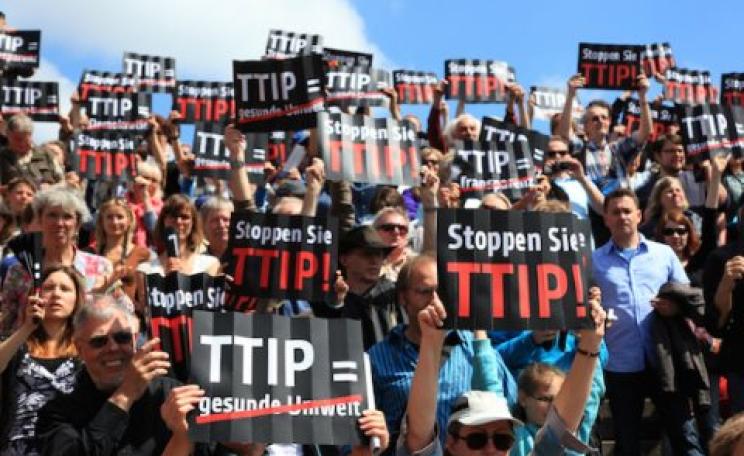
A key element of the TTIP is the deregulation genetically modified seeds and plants for cultivating in European soils, writes Julian Rose. This alone is reason enough for us to reject it - but it's only the beginning of a huge power grab that would make our governments more accountable to corporations, than to people.
As temperatures rise in the Southern Ocean, warmer currents are eroding the Antarctic ice sheet from below, writes Tim Radford - causing the melting rate to treble in two decades to 83 billion tonnes a year.
The responses that climate change demands of us are collective, writes Mark Maslin, and force us to accept the finite nature of global resources and the need for equitable sharing. So when climate change collides with belief in neoliberalism, free markets, strong property rights and rugged individualism, denial trumps science every time.