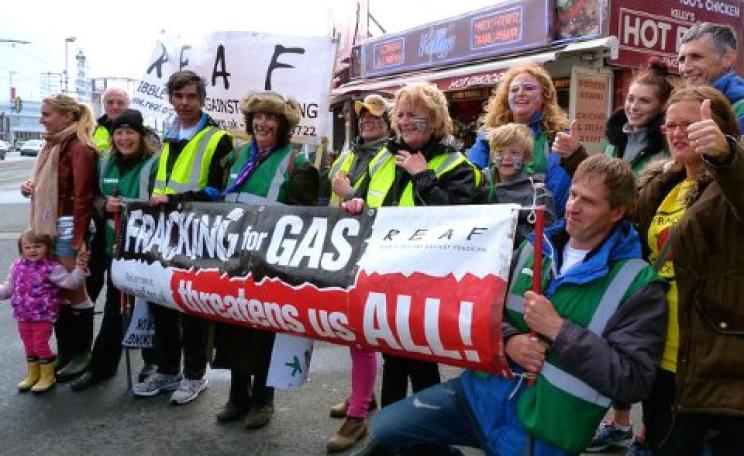
UK politicians and officials are studiously ignoring the growing evidence that fracking is an economic and environmental disaster, writes Paul Mobbs. As the circle of 'acceptable' view spins ever smaller, industry PR is dominating a phoney debate that's increasingly remote from reality, public opinion and core democratic principles.
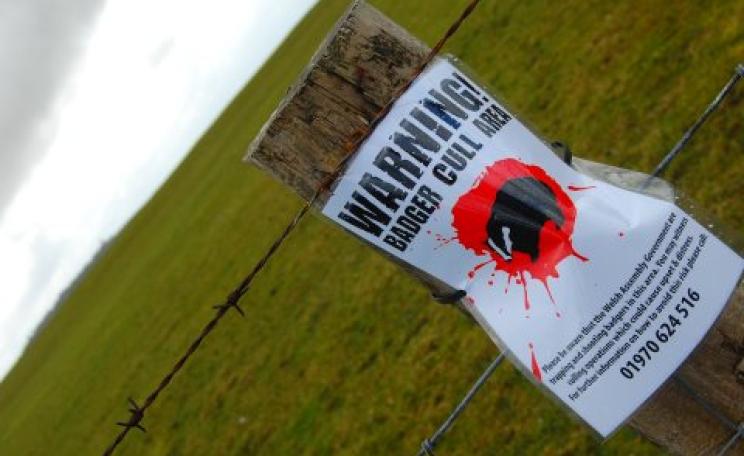
Sneaked out just before Christmas, Defra's assessment of the 2014 badger cull inspired NFU leaders to claim 'success', writes Rosie Woodroffe. But the figures indicate the precise reverse: that too few badgers were killed to be effective against bovine TB, indeed the cull may even help to spread the disease.
Peter Mandelson is 'intensely relaxed' about growing inequality, but he shouldn't be. It's the result of a 'trickle up' economy which perpetuates and fosters injustice, violence and ill health, writes Global Justice Now, and corrodes democratic societies at their very foundations.
Last week the consortium holding a £22bn contract to clean up the Sellafield nuclear site was sacked, writes David Lowry. But this is just the end of a long and scandalous tale of corporate profit at taxpayers' expense, and the active collusion of ministers and senior officials in fighting off Parliamentary scrutiny.
Just one degree of global warming could cut wheat yields by 42 million tonnes worldwide, around 6% of the crop, writes Paul Brown - causing devastating shortages of this staple food.
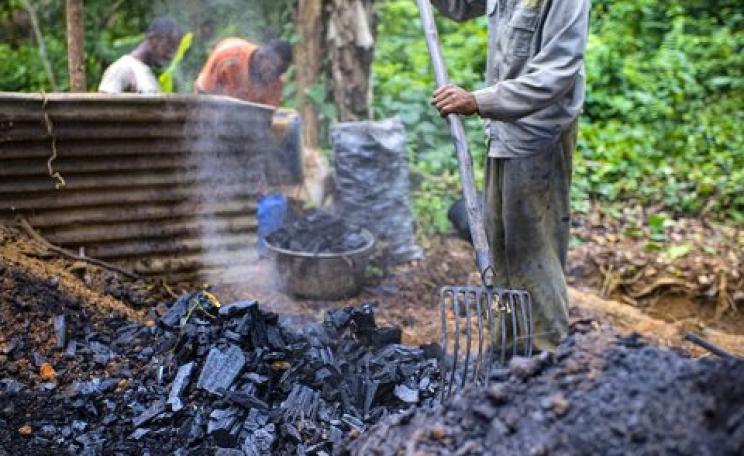
Claims that the ivory trade is financing terrorism in Africa are all based on a single unreliable source, writes Diogo Veríssimo, yet the real link between terror groups and the illegal charcoal trade barely gets a mention. Is the 'reality gap' caused by the 'Like, share, donate' cycle that drives social media and fund-raising?
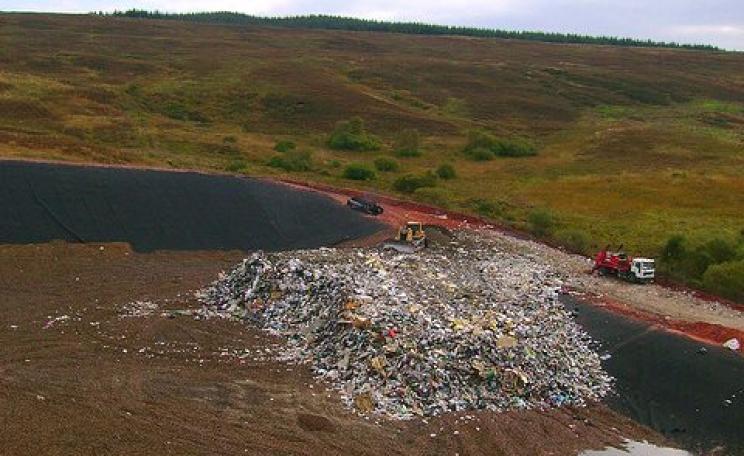
Nearly a year ago at the height of the UK floods, tragedy struck an ordinary family in Surrey as toxic gas from a nearby landfill site killed a 7-year old boy, Zane. Now the authorities appear determined to exculpate the source of the poison - an old landfill site - even as they prepare for a massive increase in hazardous waste from fracking.
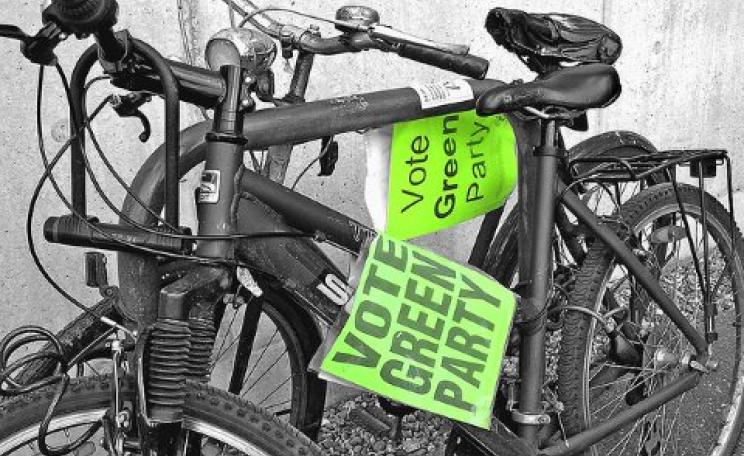
Yesterday, Green party membership in the UK overtook that of UKIP and the Lib Dems, writes Adam Ramsay, who offers 13 reasons why in just two days over 4,000 new members joined the Greens, an astounding 10% growth rate. And it's no flash in the pan - membership had already doubled since September, and the Green surge could still have a long way to run ...
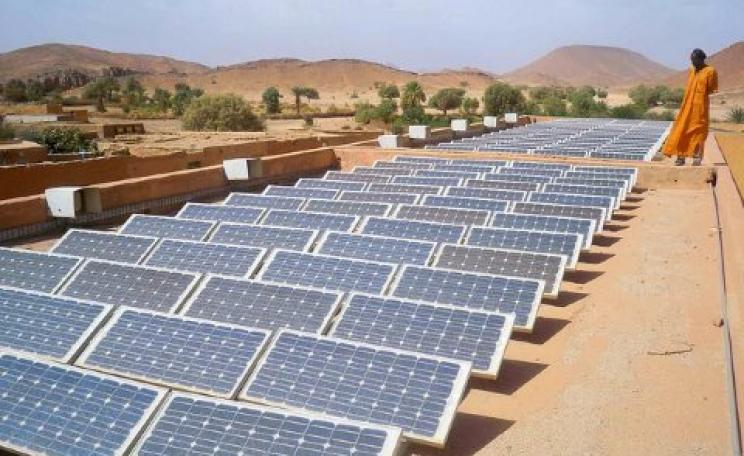
From Australia to the UK, governments are pinning their hopes on 'carbon capture' technology stuck onto coal power stations, writes John Quiggin. But their choice carries a high risk of failure - the smart money is on renewables, energy storage and responsive power grids.
The Information Tribunal has ordered Tate, the charity which runs two of London's biggest art galleries, to release details of financial support from the oil company BP, writes Richard Heasman - and they have until 27th January to comply.
The carbon market has certainly seen its fair share of skullduggery, writes Chris Lang, with massive frauds perpetrated on an unsuspecting public. This new thriller captures the essence of the wheeler-dealer carbon business to produce a compulsive work of fiction that is, sadly, all too believable.
With a million families struggling to stay warm this winter, energy bills will be a hot election issue, writes Doug Parr. But Government actions have repeatedly favoured the 'big six' energy incumbents at the expense of consumers, competition, low-cost renewables and energy efficiency, locking us into high bills for years to come.
The Green party today overtook both UKIP and the LibDems the on number of paid-up members. After a surge of 4,000 new members in two days, the Greens UK-wide now have 44,713 members, 4,000 more than UKIP, and 1,500 more than the LibDems.
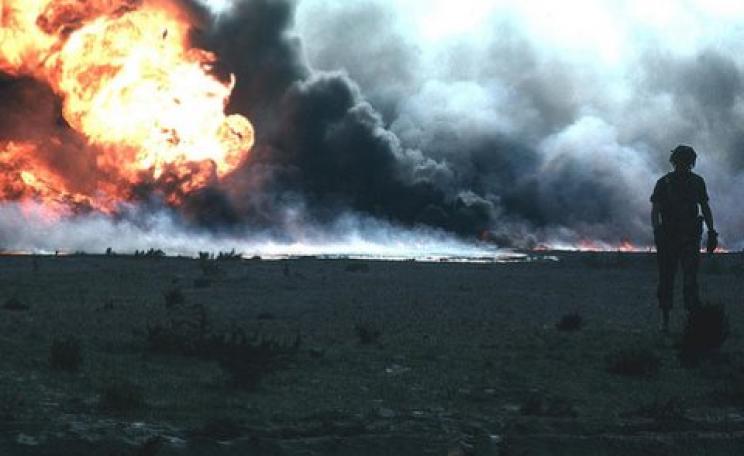
The global economic shake-down of low oil prices continues apace, writes Alexander Reid Ross, causing environmentalists to celebrate the collapse of dirty energy projects. But the oil price collapse is the manifestation of a multi-layered conflict being fought out on the political, military and ideological battlefields of the Middle East - and it may not last much longer.
Air quality across the UK is currently monitored by just a few hundred fixed stations, writes Prashant Kumar. That leaves most of us ignorant about the pollution we are breathing. But tiny air quality sensors in our mobile phones could soon create a network of millions of data points - and spur much needed official action to clean our air.