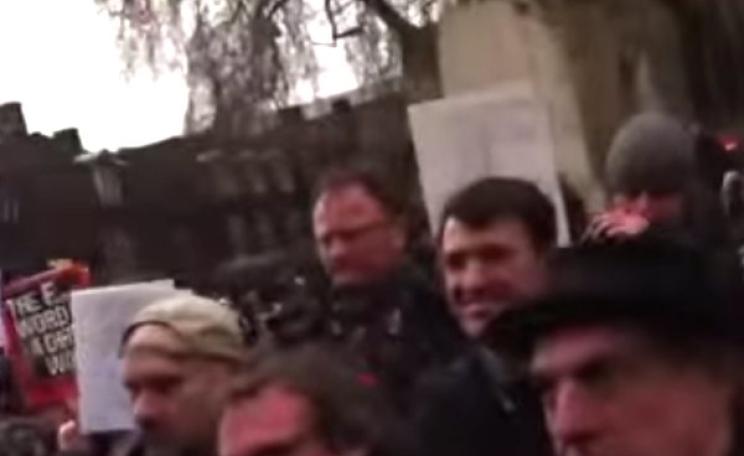
The government's relentless drive to frack Britain is an affront to our democratic traditions, John Ashton, the UK's former top climate diplomat, told an enthusiastic audience at an anti-fracking demo outside Parliament this week - and now it's up to us all to make it a core issue in the forthcoming general election.
Ebola has wiped out a third of chimps and gorillas since the 1990s, writes Meera Inglis, and together with hunting and deforestation is pushing them towards extinction. So why haven't we even used a safe, effective Ebola vaccine developed for chimps and gorillas?
Stories told by Australia's Aboriginal peoples tell of the time, over 10,000 years ago, when the last Ice Age came to an end, and sea levels rose by 120 metres, write Nick Reid & Patrick Nunn. The narratives tally with the findings of contemporary science, raising the question: what is it about Aborigines and their culture than so accurately transmitted their oral traditions across thousands of generations?
Natural England announced today that the wild beavers living on Devon's River Otter will be allowed to remain free under a 're-introduction' licence granted to Devon Wildlife Trust.
Development secretary Justine Greening is facing questions over UK involvement in a massive land-grab in Nigeria that is evicting local farmers from 300 square kilometres of fertile farmland to clear the way for a rice farm owned and controlled from the US and Canada. A 45,000-strong community faces landlessness and destitution.
A new book aims to get children off their mobile phones and back where they belong: in the great outdoors. It's packed with well thought-out, purposeful activities to get children interacting with nature, but Martin Spray wonders: is it all trying too hard? Has the essential nature of 'play' somehow been forgotten?
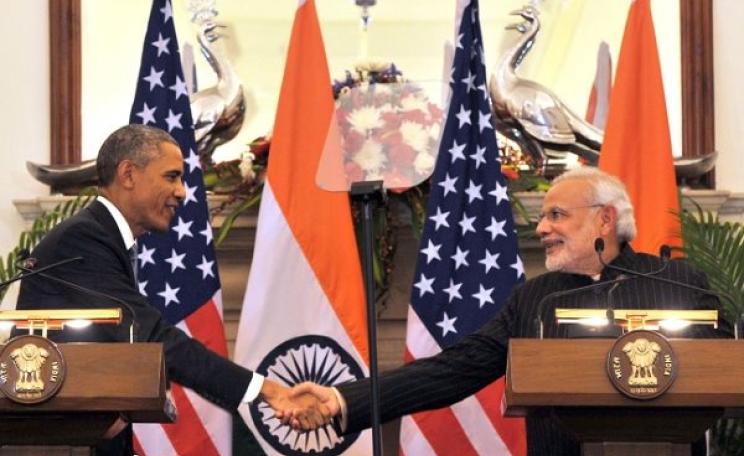
India made no promises to cut its CO2 emissions from coal power stations, writes Nivedita Khandekar, and refused to reveal its ambitions for the Paris climate talks - but Obama promised US support for its plans to roll out 100GW of solar power.
The lesson of fracking in the US and Canada is a simple one, writes Naomi Klein. The fracking industry is vicious, brutal and will stop at nothing to get its way. British anti-frackers can celebrate yesterday's achievements - but the fight ahead will not be an easy one.
Ranchers can deliberately abuse public land and the wildlife that lives on it at will, writes George Wuerthner, confident that any breaches of the law are likely to be overlooked. But it's another thing altogether if you're trying to protect that land from destructive exploitation. Why the double standard?
Tate, the leading London art gallery owner, has revealed the price of the BP logos that plaster its exhibitions: under 0.5% of its income - but only after a court order forced it to do so.
The Environmental Audit Committee today calls for shale fracking in the UK to be 'put on hold', writes Paul Mobbs. But the EAC is missing an even more dangerous technology that the Infrastructure Bill would support - underground coal gasification.
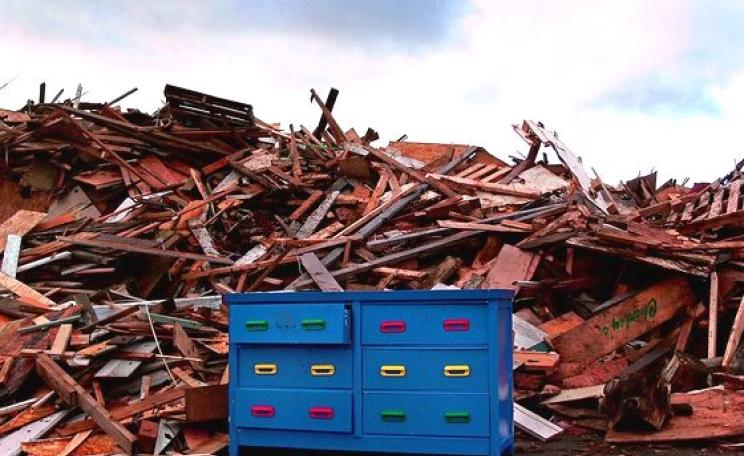
The European Commission has confirmed that it will drop its 'circular economy' package, writes James Crisp, in the face of protest by MEPs and environment ministers. The EC's insistence that a future version would be 'improved' - but in in unspecified ways - only raised suspicions of a deregulatory coup by Europe's dirtiest businesses.
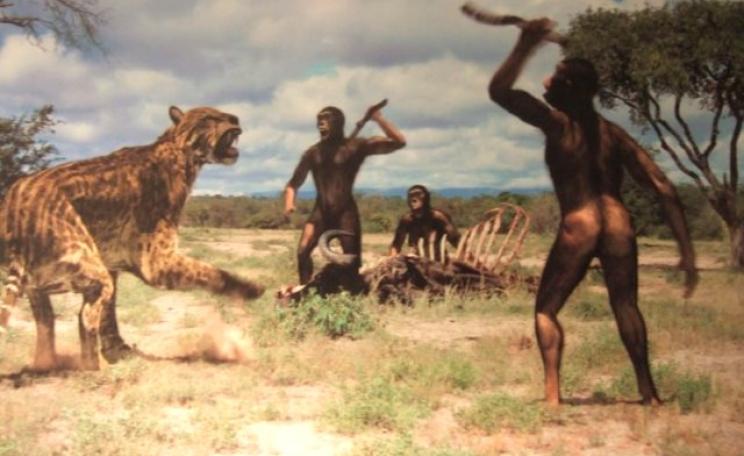
In this imaginary letter to the father of modern taxonomy and ecology, Carl Linnaeus, about the current status of life on Earth, Gianluca Serra suggests renaming the human species from the self-satisfied 'wise' to 'obtuse' - if only to spare us from the ridicule we so richly deserve for our collective insanity.
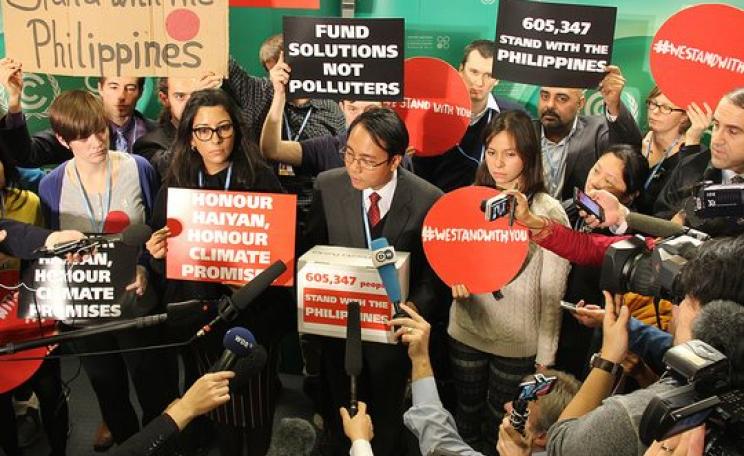
Yeb Sano, Philippines climate negotiator at the COP19 Warsaw climate talks, spoke for the entire poor and climate vulnerable world as his country was ravaged by Typhoon Haiyan in 2013. But he was mysteriously absent from Lima in 2014 - signalling a major national policy reversal in which the Philippines are giving everything away - and receiving nothing in return.
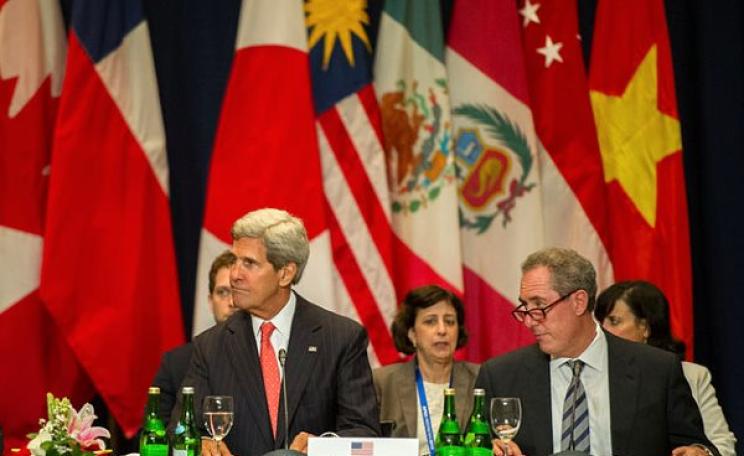
Even as the controversial TTIP 'trade' deal runs into sand, writes Glyn Moody, a spate of similar deals to empower corporations over national governments and democratic forces are being negotiated even more secretively - like CETA, TPP, TISA - and could become cemented into binding treaties before civil society even knows of their existence.