The Green Surge is getting very scary - for Labour Party MPs, candidates and supporters who fear that Green support will undermine 'their' vote, writes Ian Sinclair. So when exactly will it be safe for those desperate for an alternative to neoliberalism and austerity to vote for a genuinely progressive party?
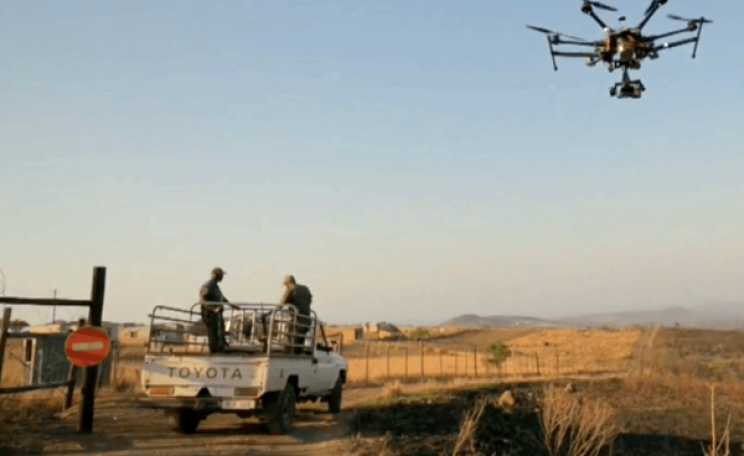
Using new technologies to take on poaching in Africa is reaping big dividends, writes Thomas Snitch. Where drones are deployed as part of an integrated package of measures, poachers quickly give up. The trouble is, they move to other unprotected locations. So we must extend the program to all of Africa's most at-risk areas.
Faced with climate change, economic doldrums and collapsing oil prices, the government has the perfect opportunity to put Britain on the right track, write Simon Bullock & Tony Bosworth - reduce our dependency on fossil fuels, and invest in renewables and efficiency. So what's it actually doing? The exact opposite.
North America's environment campaigners face a fearsome enemy in the 'Big Club', writes Alexander Reid Ross - the nexus of fossil fuel and infrastructure corporations, government, militarized police, private security contractors, PR agencies, astroturf NGOs and quasi-judicial bodies. But the activists are winning key victories in their battle to halt the industrialization of Cascadia.
We all know about the risk to elephants and rhinos from the illegal wildlife trade, but now the helmeted hornbills of Borneo and Sumatra are at risk as online traders find ready buyers for their carved beaks in China.
CSP, the 'other' solar power technology, has been largely forgotten as solar PV price falls have transformed energy markets, writes Chris Goodall. But it's set to take a big role in the future energy mix, and huge price falls are coming. Just one question - how to reduce CSP's thirst for water?
In the face of environmental atrocities like the recent spill of crude oil into the Yellowstone River, writes Grant Mincy, quiescence be damned! To stop more of the same, we must reclaim from the corporate-captured state the rights of commons and community to decide on how local resources are used.
Republican Nebraska's energy is all publicly owned or cooperative, writes Thomas M. Hanna, and prices are among America's lowest, with great service standards and a strong commitment to renewables. Decentralised and locally accountable, this could be the model that replaces inefficient, unresponsive monopolies - both nationalised and corporate.
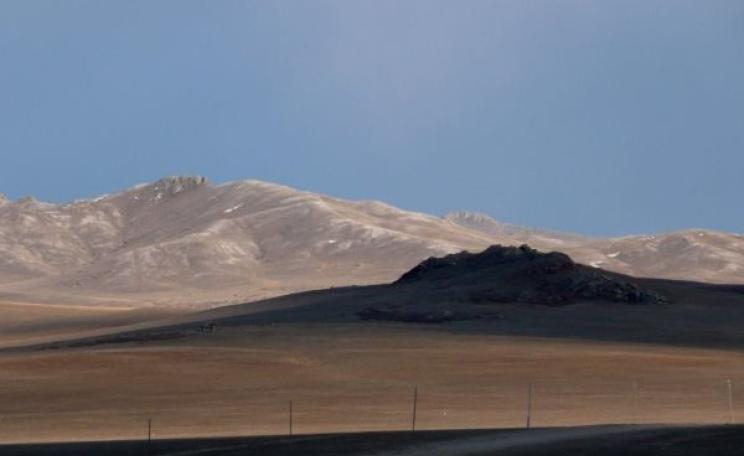
In his search for alternatives to consumerism and industrialism, Jules Pretty travelled around the world to find surviving nature-based cultures. In this extract from his book 'The Edge of Extinction', he tells of the Tuva people of the Siberian steppe - proud of their traditions and closeness to the land, but very much part of the modern world - strictly on their own terms.
Countries at the UN have agreed to start formal negotiations on a new 'legally binding instrument' to conserve the biological riches of the high seas that cover 45% of planet Earth, and ensure their sustainable use for the benefit of all mankind.
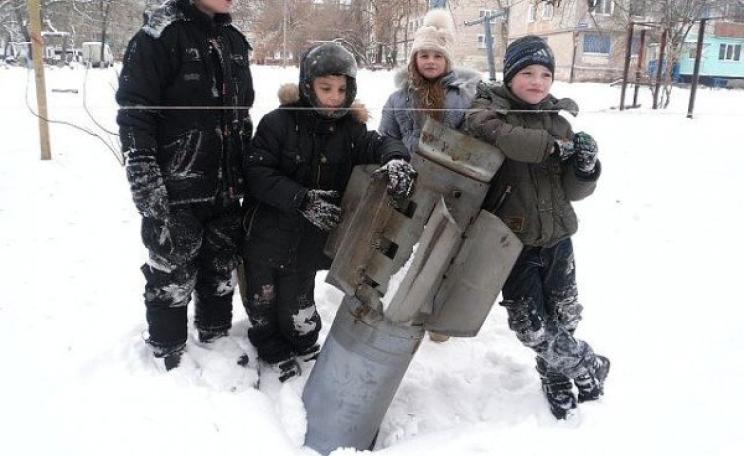
The drums of war are beating on the BBC and other mass media, writes Oliver Tickell - naked propaganda about fictitious 'Russian aggression' intended to soften us up for a war that could wipe out life on Earth. We must refuse to fall for the endlessly repeated lies, and tell our politicians that our highest priority of all is peace.
Nebraska has become ground zero for the fight against Keystone XL, and Art Tanderup - farmer and retired schoolteacher - has become a leading voice in the struggle. He spoke to Kate Aronoff about the divisive impact of the pipeline on the local community, threats to the Ogallala Aquifer, and the urgent need to shift to clean, renewable energy sources.
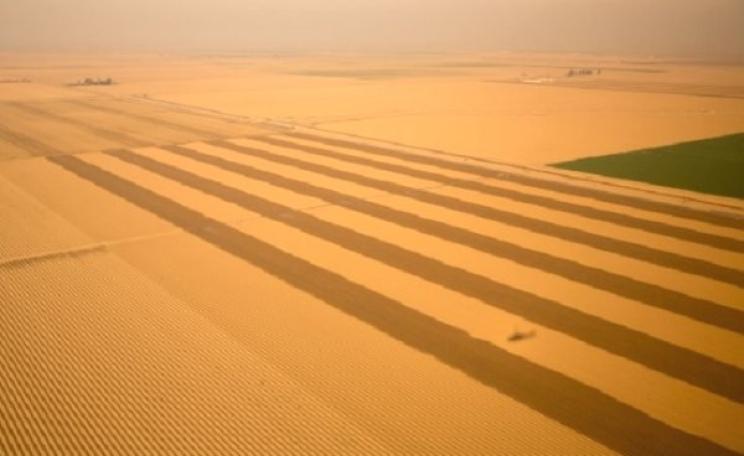
California's worst drought on record is far from over, writes Kieran Cooke. But while residents are getting used to dusty cars and parched lawns, the state's massive agricultural sector is still growing water-intensive crops like rice. How crazy is that?
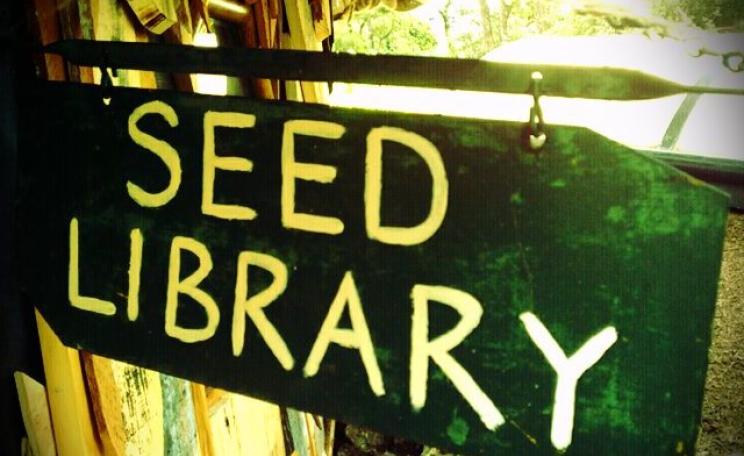
A year ago today, Europe-wide protests defeated an EU regulation that would have outlawed many seed saving activities, writes Ben Raskin. Now growers are taking matters into their own hands, saving and developing open-pollinated seeds - and campaigning for a seed regulation that supports them, not the monopolist seed corporations.
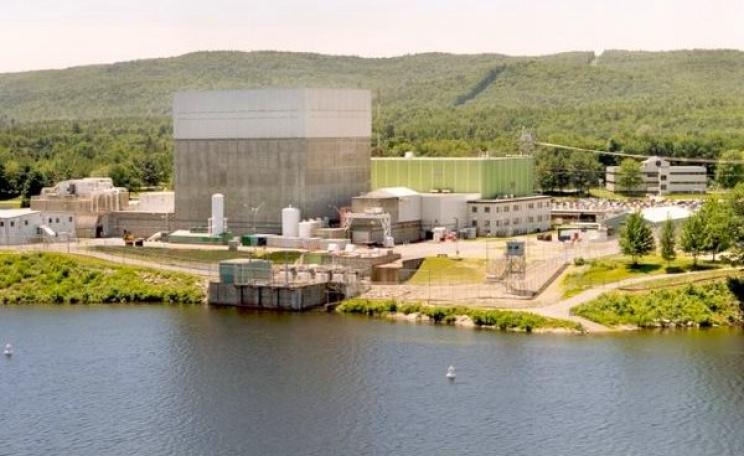
The global rebirth of nuclear power was meant to be well under way by now, writes Jim Green. But in fact, nuclear's share of world power generation is on a steady long term decline, and new reactors are getting ever harder to build, and finance. The only real growth area is decommissioning, but that too has a problem: where's the money to pay for it?