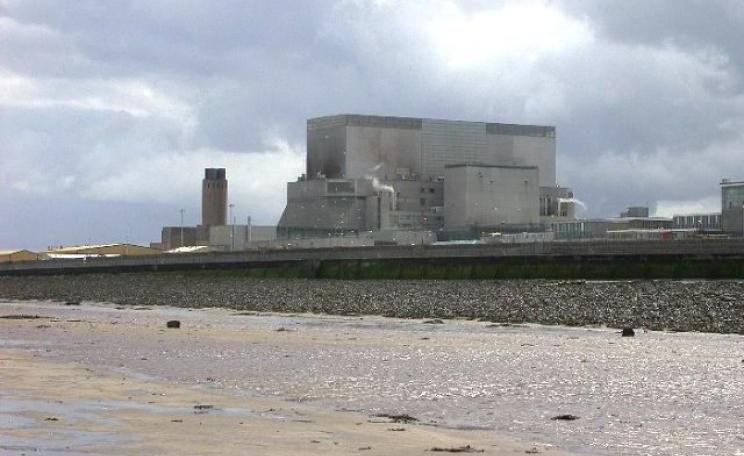
The UK government has warned Austria that it will 'embrace any future opportunity that arises to sue or damage Austria' if it pursues its legal challenge to the the Hinkley point C nuclear plant, according to a leaked document.
The rapid deterioration of the world's oceans and the life they contain calls for a breakthrough in their governance, writes Deborah Wright. The seas must be protected, respected and policed as the common heritage of all mankind, and of all generations present and future.
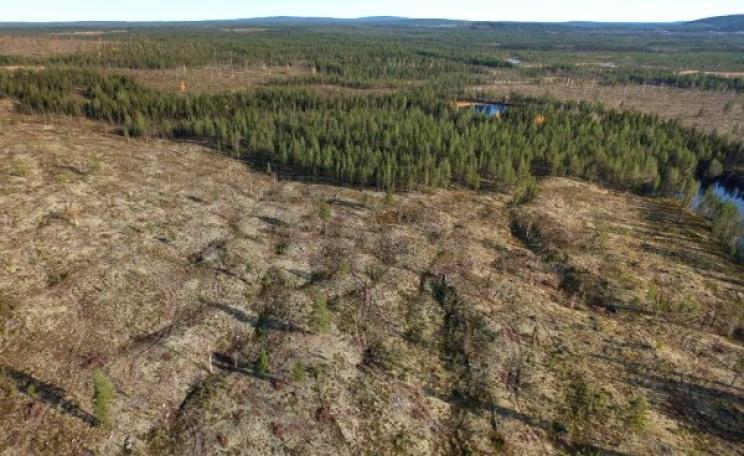
Sweden's biodiverse ancient forests will be largely wiped out within two decades, writes Alec Forss - and along with it will go thousands of species that depend on mature forest ecosystems. But with powerful logging companies riding roughshod over the law, regulators, politicians and certifiers, who is to stop the destruction before it's too late?
As the seas rise, the government is doing little to help those whose homes are being engulfed beneath the waves, writes Guy Shrubsole - people like veteran campaigner Malcolm Kerby, who has already seen a whole street of his North Norfolk town lost to the rising waters.
Straw is cheap, plentiful, eco-friendly and an excellent insulator, writes Pete Walker - and officially certified prefabricated straw bale building systems are challenging traditional brick construction. So why aren't straw bale houses mushrooming on building sites across the country? Maybe they are ...
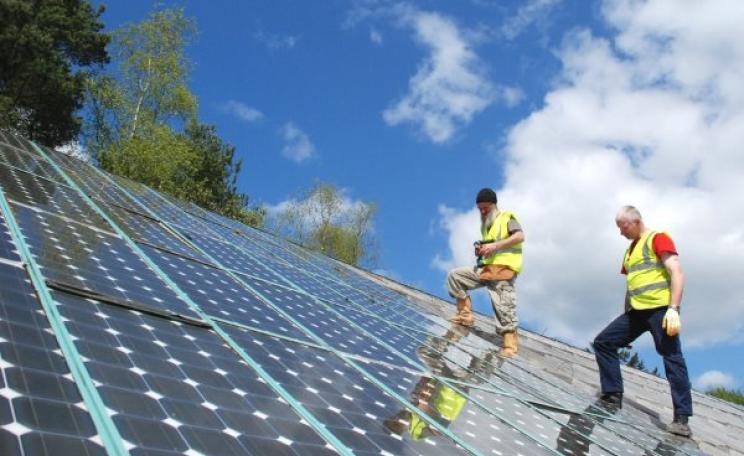
The charity SolarAid has just celebrated 1.5 million small solar lighting installations in Africa, writes Paul Brown - an important milestone on its mission to get solar lighting into all of Africa's homes by 2020, and see out dangerous, polluting kerosene lamps.
A month-long blockade of the Rio Tigre deep in the Peruvian Amazon has secured promises of compensation and cleanup for Peru's Kichwa communities who have suffered 40 years of contaminated waters from oil drilling operations in their remote Amazon region. But until the funds materialize, they are holding firm in their resolve.
78 records didn't come to an end because the world ran out of shellac, writes Chris Goodall. And today's cars won't be made obsolete by a shortage of oil, or even climate change. The transition will be driven by falling prices, long range, clean air laws, and the superb style, performance and driving experience they offer.
Thousands of small farmers in Poland are blockading motorways and holding demonstrations to demand land rights, a ban on GMOs and an end to oppressive health and safety regulations - and they are refusing to call off the protests until their demands are met.
Pope Francis's forthcoming statement on climate change could just revitalise progress towards significant emissions cuts, writes Jonathon Porritt. But more than that, it will open up the space for a wider spirituality to guide our thinking, and campaigning, on climate and other key global challenges.
Energy 'too cheap to meter? This time it could be true thanks to the fast rising proportion of zero marginal cost renewable power in our electricity system, writes Roger Kemp. But that has profound implications for how we pay for our electricity - indeed the entire electricity market and consumer pricing system must be radically rethought.
If you live a green life, you'll also want a green death, writes Robert John Young. Sadly pollution, energy use and methane emissions mean there's no completely green way to dispose of your body. The good news is that a new 'fast composting' technique ticks all the boxes - but it's still under development.
When US Trade Representative Michael Froman testified before Congress last week, he made impressive claims for the benefits of Fast-Tracking the controversial Trans-Pacific Partnership, writes Ben Beachy. Just one problem - all those claims were either untrue, or profoundly misleading.
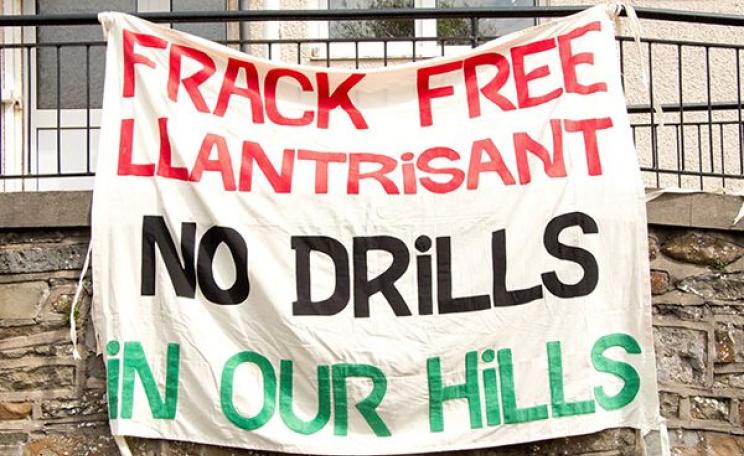
This week the Welsh Assembly voted for a moratorium on fracking. But IGas company bosses insist that the Welsh Government is powerless to stop them pushing ahead with test drilling plans - as all the key decisions are made in Whitehall.
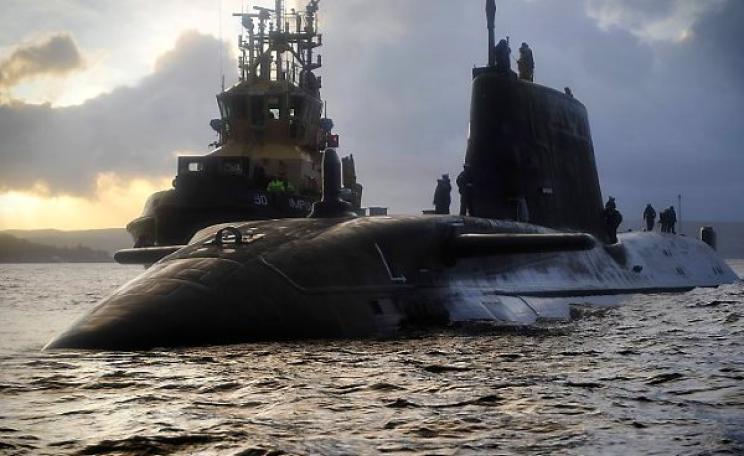
There's a growing chance that the UK's 2015 General Election could bring about the end of its Trident nuclear 'deterrent', writes Jonathan Woodrow Martin, as its renewal looks likely to be central question in the formation of a Labour-SNP coalition government.