The raft of 'free trade' agreements under negotiation represents a massive seizure of power by corporations, writes Joyce Nelson - effectively stripping democratic governments of their power to legislate for health, environment, labour or anything else that could reduce corporate profit. But the mainstream media are mysteriously silent.
Public transport often doesn't work for travellers because it's fragmented, deregulated and operated for short-term profit, writes Rupert Read. A Green transport policy would force operators to coordinate their schedules, integrate multiple transport modes, and entice travellers out of their cars building a real public transport 'system'.
Scientists, environmental and consumer groups have decried USDA's approval of two 'Arctic' apple varieties, while major food companies and apple growers have no plans to source or grow them - despite their potential to 'generate consumer excitement in the apple category.'
A land grab twice the size of France is under way in Ethiopia, as the government pursues the wholesale seizure if indigenous lands to turn them over to dams and plantations for sugar, palm oil, cotton and biofuels run by foreign corporations, destroying ancient cultures and turning Lake Turkana, the world's largest desert lake, into a new Aral Sea.
The US and other governments are pushing a failed model of water privatization, writes Victoria Collier - but water is a human right, not just a commodity to be traded for profit or monopolized by corporations, and citizens and communities worldwide are fighting back, from Detroit to Cochabamba, from Berlin to Malaysia, to reclaim their water commons.
Despite the urgency of climate change, most people close their eyes, turn away turn away and hope someone else will sort it out. It's not that we're bored, writes psychotherapist Rosemary Randall - we're more likely to be fearful, anxious or embarrassed. So how can we help people to feel less scared, and see that we are all are part of the solution?
The geoengineering genie should remain firmly stopped up in its bottle until a robust case is made for letting it out, writes Clive Hamilton - and that's something the NRC's new report signally fails to achieve, providing no rationale for deploying the technology, or even experimenting with it.
Thirty years after diamonds were first discovered in Botswana's Kalahari desert, the Bushmen have been evicted, and the first diamonds have gone on sale. Happy Valentines!
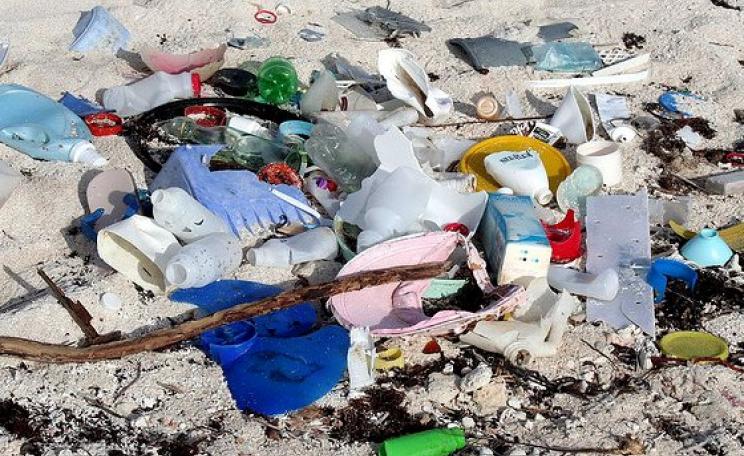
On current trends the world will contain 33 billion tonnes of plastic by 20150, writes Mae Wan Ho, and much of it will litter the oceans, concentrating toxins and damaging marine life throughout the food chain. The alternative is to classify the most toxic plastics as 'hazardous waste', and for all plastics to be reused and recycled in 'closed loop' systems.
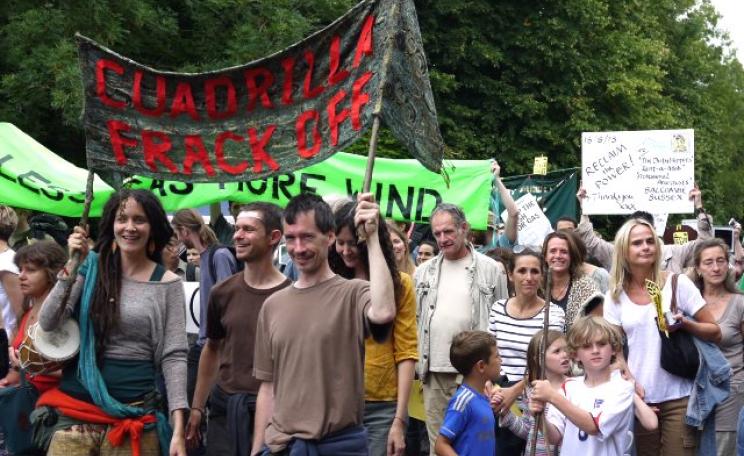
The UK fracking company Cuadrilla has collapsed in value as a result of falling oil and gas prices, popular protests and growing political opposition, writes Brendan Montague. Now investors are having to write off hundreds of millions they sunk into the industry.
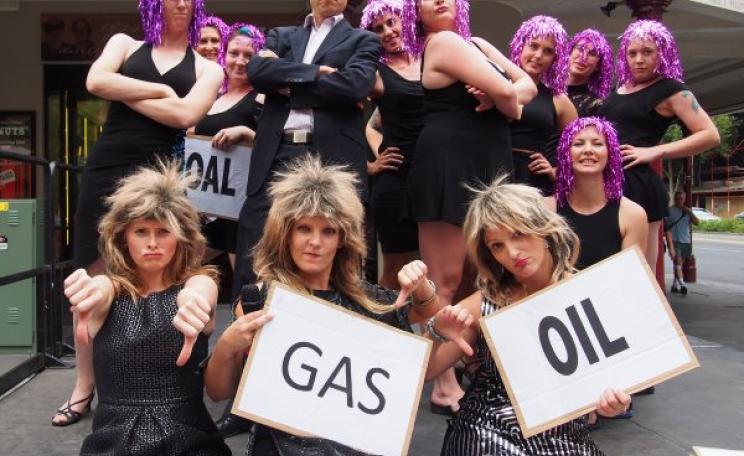
Increasing numbers of investors are waking up to the reality that the fossil fuel era is coming to an end, writes Yossi Cadan. But there's one sector that hasn't yet got the message: the fossil fuel industry itself is determined to keep on piling good money after bad. So join the worldwide divestment party this weekend and help ram the message home!
True environmentalism is not about making our rapacious and destructive industrialism a little more sustainable, writes Derrick Jensen, but transforming humankind's relationship with Earth and the life she sustains - for us to take our true place within, and as part of, the living biosphere.
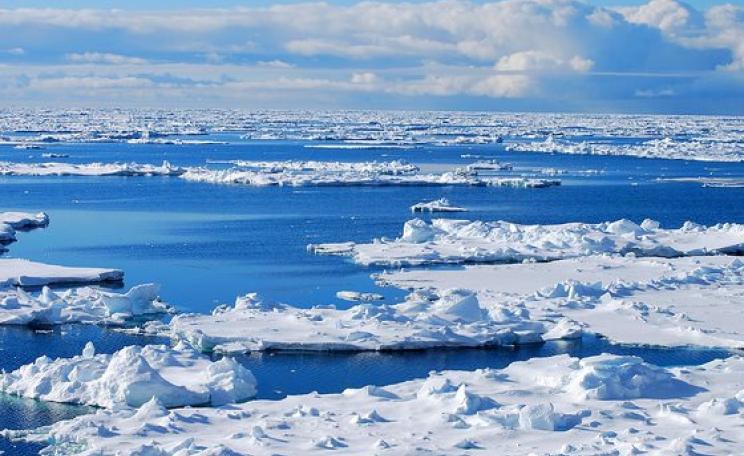
The last ice age came to an end following the massive release of carbon dioxide from the Southern Ocean, write Miguel Martinez-Boti and Gianluca Marino, and the signature of that event is written in planktonic shells. It's a timely reminder that the oceans contain 60 times more carbon than the atmosphere - and we want to keep it there.
Why is the dairy industry joining in the legal action against Vermont's GMO labeling law? Could it be because a fifth of US 'cheese' can be vegetable oil and starch from GMO crops, asks Alexis Baden-Mayer - and even more of a 'frozen dairy snack' or 'processed cheese food'?
Across Africa, laws are being rewritten to open farming up to an agribusiness invasion - displacing the millions of small cultivators that now feed the continent, and replacing them with a new model of profit-oriented agriculture using patented seeds and varieties. The agencies effecting the transformation are legion - but they are all marching to a single drum.