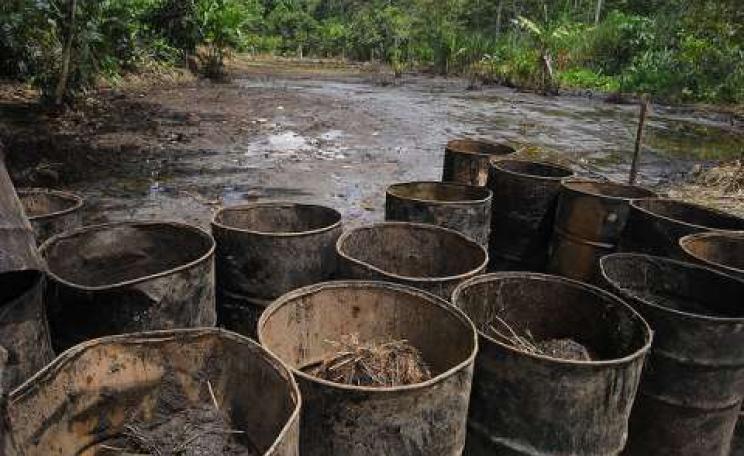
Left wing governments across the Americas are faced with a dilemma, writes Daniel Macmillen - high social spending programs financed by income from destructive mining and hydrocarbon extraction - or a slower but sustainable development path that puts ecology, equity and justice first. Their answer - a constant pushing back of the resource frontier.
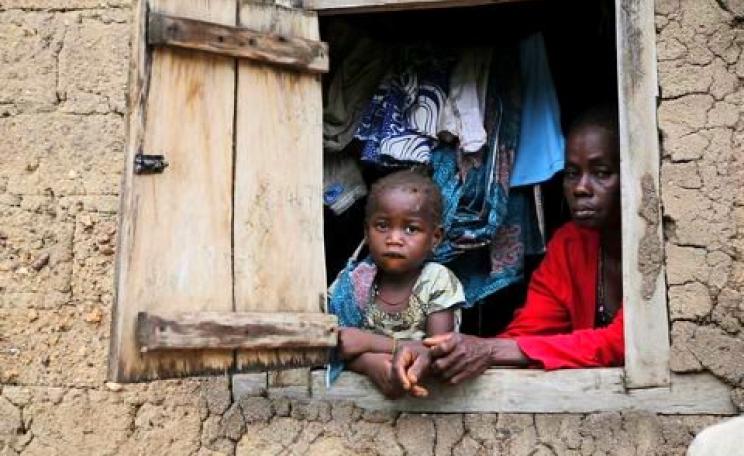
The human family must come together now to stop Ebola in West Africa or risk a global pandemic that could potentially kill billions, writes Glen Barry. And that will mean solving, with equity and justice, the disease's root causes: rainforest loss, poverty, war and overpopulation.
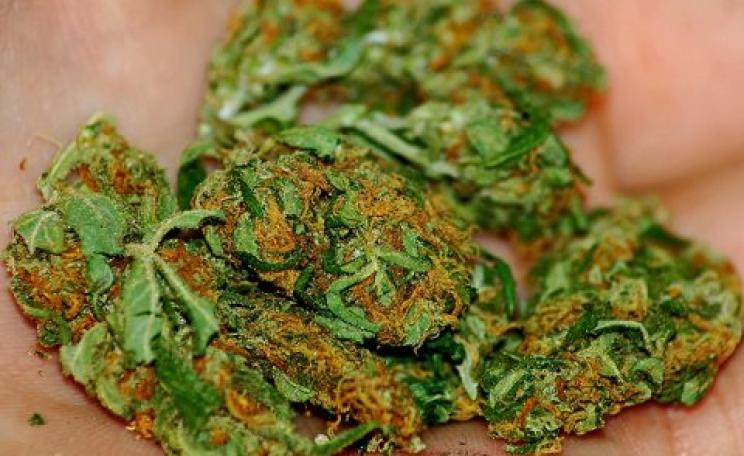
Next year Uruguay will create a state marijuana monopoly, writes Benjamin Dangl. Supplying high quality product in limited per person quantities, and at controlled prices that undercut the black market, the initiative will safeguard public health, cut off funds from criminals, and finance social programs. So why don't we all do it?
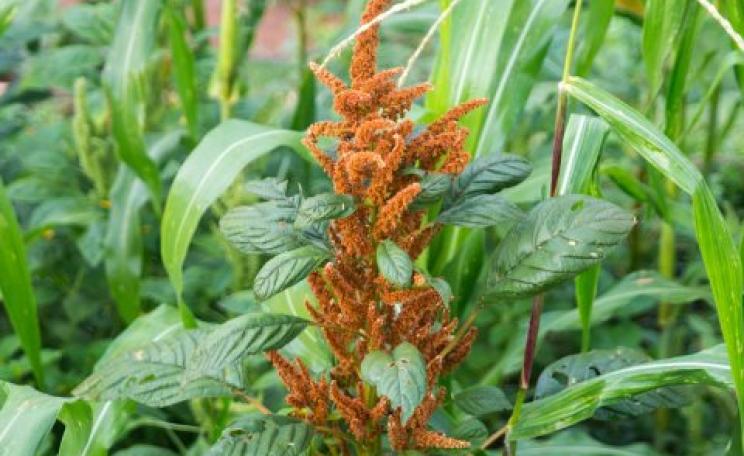
Mexico's conquistadors outlawed amaranth - a highly nutritious seed farmed by the indigenous peoples for millennia - due to its use in religious rituals. But it's now being hailed as a 'superfood', writes Anna Bruce, and a growing number of Mexican campesinos are once again cultivating the 'noble plant' among their corn, squash and beans.
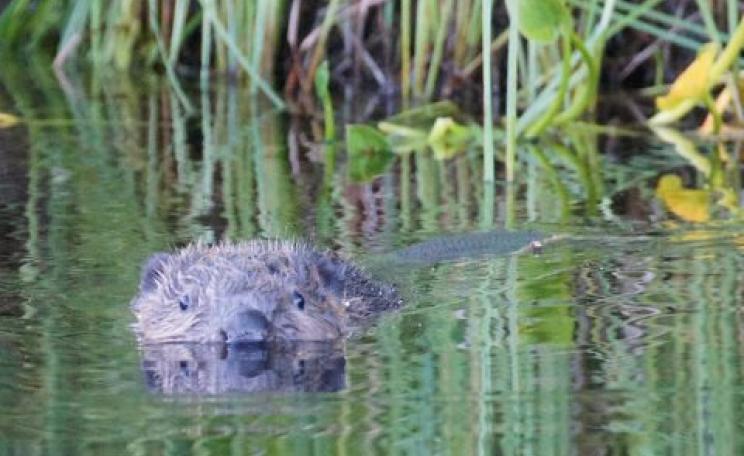
Friends of the Earth has filed a lawsuit to challenge Natural England's secretive grant of a licence allowing the Government to trap wild beavers on the River Otter in Devon.
Ghana's government is desperate to pass a Plant Breeders Bill that would remove farmers' ancient 'seed freedom' to grow, retain, breed and develop crop varieties - while giving corporate breeders a blanket exemption from seed regulations. Now the farmers are fighting back.
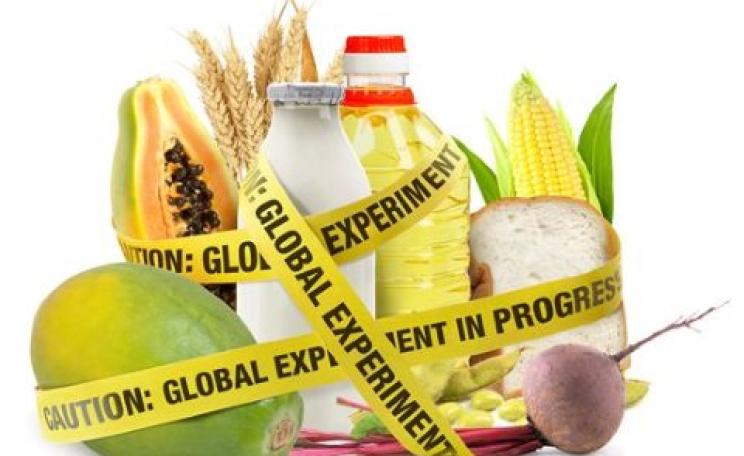
Science is to corporate science as Hyperion to a satyr, writes Ralph Nader. And there is no better example of this than Monsanto's realm of GMOs, biocides, super-aggressive lawyers and tame regulators - brilliantly exposed in this new book of essays, edited by Sheldon Krimsky and Jeremy Gruber.
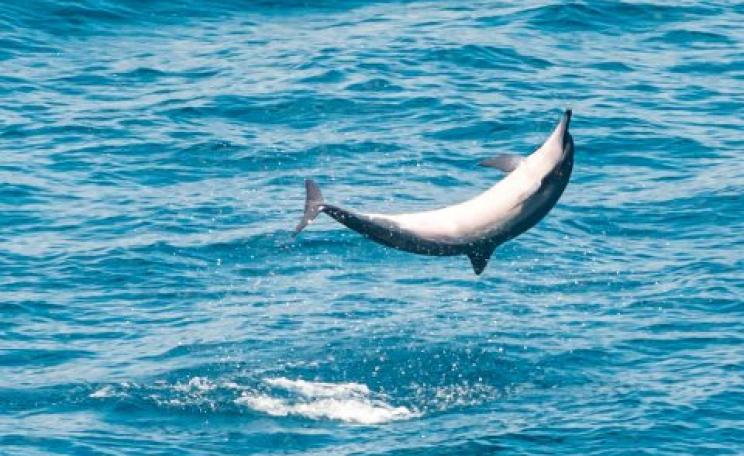
If SeaWorld is looking to build a new park in California, it will be steering well clear of San Francisco, writes Laura Bridgeman. Following a campaign backed by scientists and hundreds of high school students, the City has declared cetaceans' right to be free and 'unrestricted in their natural environment'.
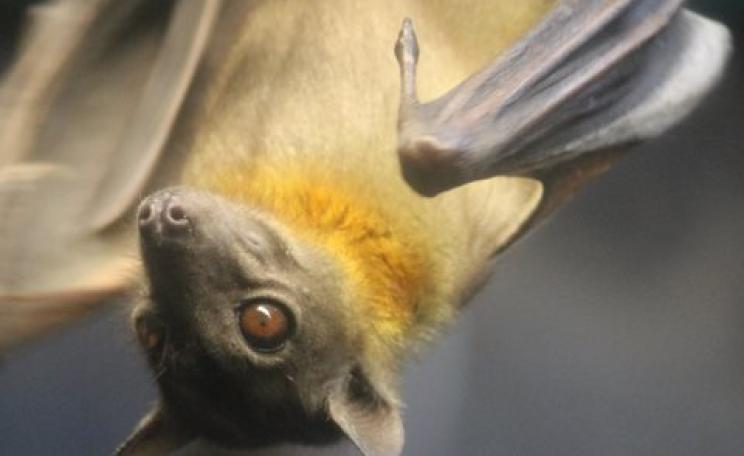
Bats serve as a natural reservoir for the Ebola - but we cannot blame them for the epidemic. In Ghana alone people eat over 100,000 fruit bats a year as 'bushmeat', yet the country has escaped the epidemic. Much more research is needed to discover the mechanisms of transmission, and to devise effective, appropriate interventions.
Donnachadh McCarthy, The Ecologist's correspondent at Occupy Democracy was arrested yesterday when police cleared Parliament Square of protesters. The brutal repression of peaceful protest puts Britain in the same moral camp as China, Russia and others whose human rights record we publicly despise, writes Julian Sayarer.
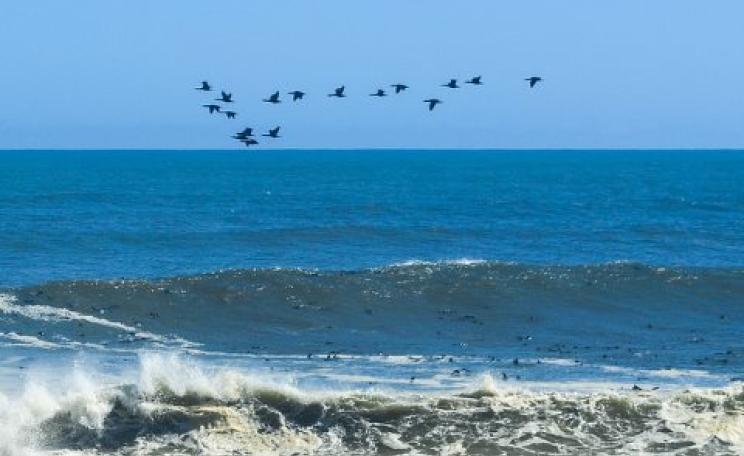
Southern hemisphere oceans are warming at double the expected rate, a new study has found. This may explain why surface warming has slowed over the last decade - the oceans have absorbed the 'missing' heat.
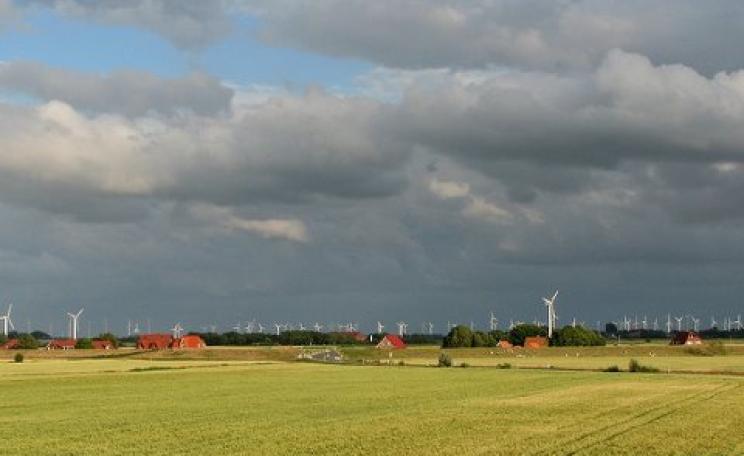
Germany's transition to a renewable power system is on track, writes Gert Brunekreeft. But it's costing households €218 a year in surcharges, causing voter enthusiasm to wane. That may be about to change though. The surcharge is about to fall, while targets stay the same - a sign that renewable energy costs may be falling faster than expected.
Scientists analysing more than three decades of weather data for the northern Alaska outpost of Barrow have recorded an astonishing 7°C temperature rise, writes Alex Kirby - and the likely cause is the decline in Arctic sea ice.
The world has been the victim of a monstrous scientific error that has understated the dangers of radiation, writes Chris Busby. Following the Hiroshima nuclear bomb, investigators used 'controls' who had been exposed to high levels of 'black rain' fallout to understate the health impacts of radiation. This bogus science still underlies risk models today.
Shearwater chicks are cute grey furballs with beaks, writes Simon Ager, and they are all too ready to use them on pesky wildlife researchers. But Cape Verde offers abundant compensations to nature lovers - so many that its future surely lies in conserving, not exploiting its biological riches.