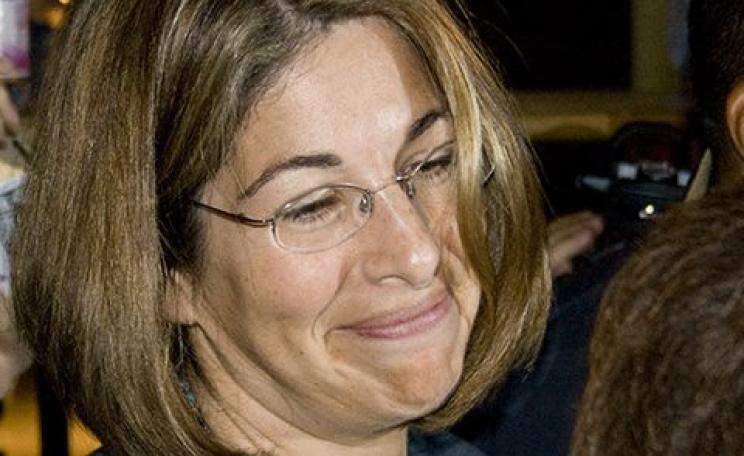
Naomi Klein finds kernels of hope amid the closely linked perils of climate change and untamed capitalism, writes Mike Berners-Lee. Ultimately it's down to us, the people, to come together and force the changes we need - but Klein's new book provides some valuable and timely inspiration.
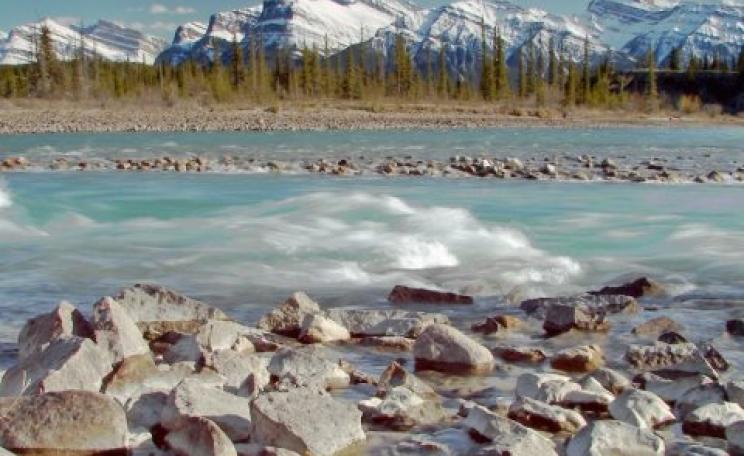
Much of Alberta, Canada has already been damaged by industrial clearfelling, or lost to the tar sands industry, writes Carol Linnitt. But now there's a chance to keep 'the most beautiful example of pristine eastern slopes Rockies out into the foothills' as wilderness, in the North Saskatchewan's unspoilt headwaters.
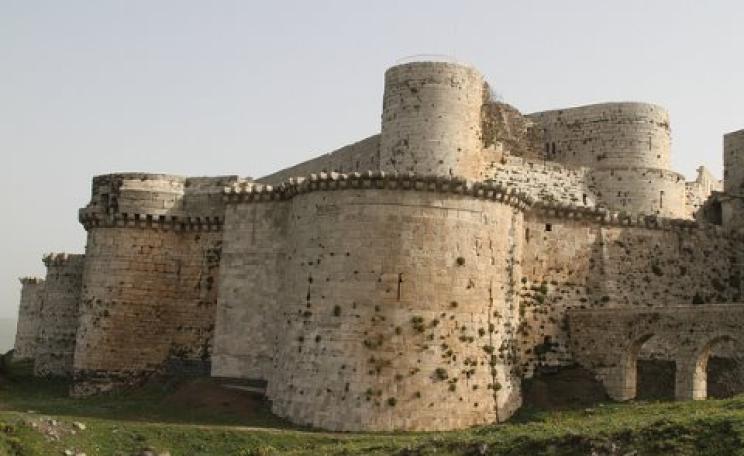
The words 'Crusaders' and 'Zionists' are appearing ever more often as twins, writes Uri Avnery - and there are astonishing historical resonances between the two. If Israel wants to avoid the fate of the medieval Crusaders, it had better start accentuating the differences, and become a true Middle Eastern state, rooted in the region's native soil and culture.
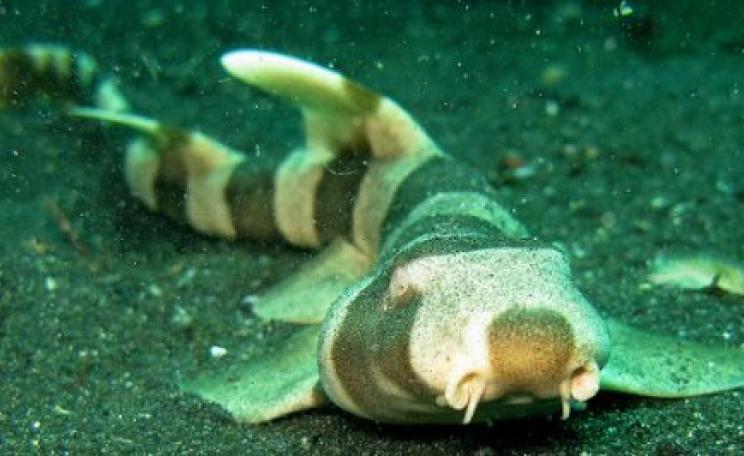
Scientific studies show that as carbon dioxide acidifies the oceans, sharks are less able to detect prey, and their chances of survival are reduced, writes Tim Radford - with serious consequences for ocean ecology.
The TTIP - a massive trade and investment deal under negotiation between the US and the EU - could be the end of democracy as we know it, writes Morton Thaysen, as corporate rights will supplant those of ciizens and elected governments. Join a global day of action today!
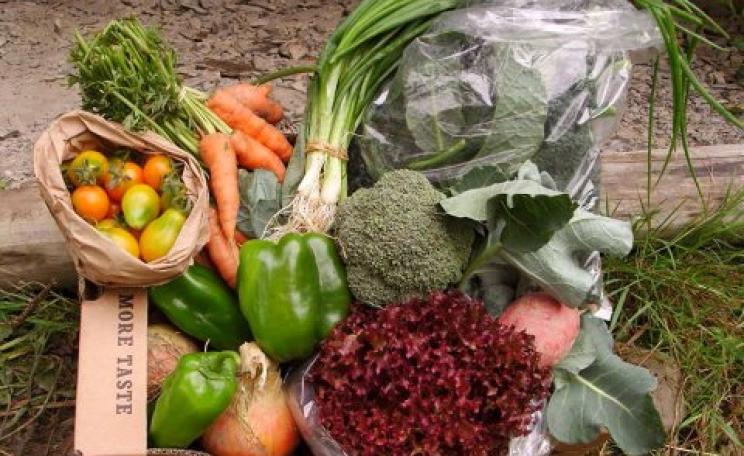
The green dream of being a small farmer producing high quality, organic food for local people has ended up being anything but for Alicia Miller. The problem is money - there's never enough of it. But she's not alone. All over the world, life is a financial struggle for small, ethical cultivators, and constant source of stress.
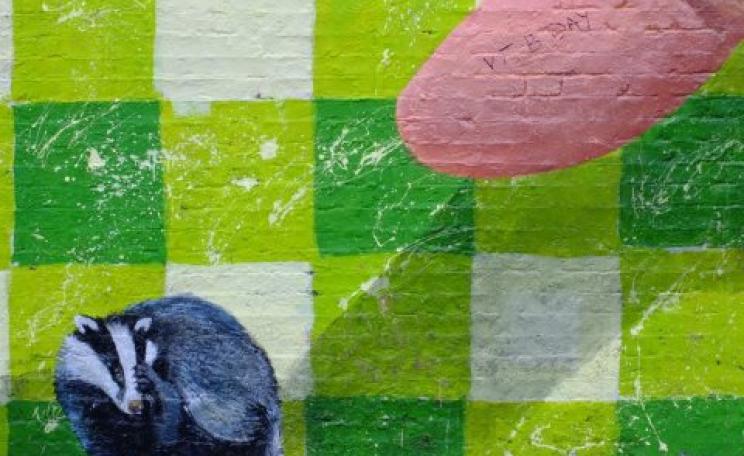
The Badger Trust' is in the Court of Appeal today, making its case that the 2014 'trial' badger cull is unlawful, writes Dominic Dyer. But beyond that, the entire culling policy is driven by politics, not science, and is doomed to failure. It's time for Cameron to harness his 'big society' to apply a genuine solution: badger vaccination.
A massive sugar plantation and up to 700,000 migrant workers will occupy almost 2,000 sq.km of Ethiopia's Omo Valley, with the help of British aid finance. But the valley's native inhabitants have been given no choice in the matter, and are being forced to abandon their homes, lands, cattle, and entire way of life, or go to jail.
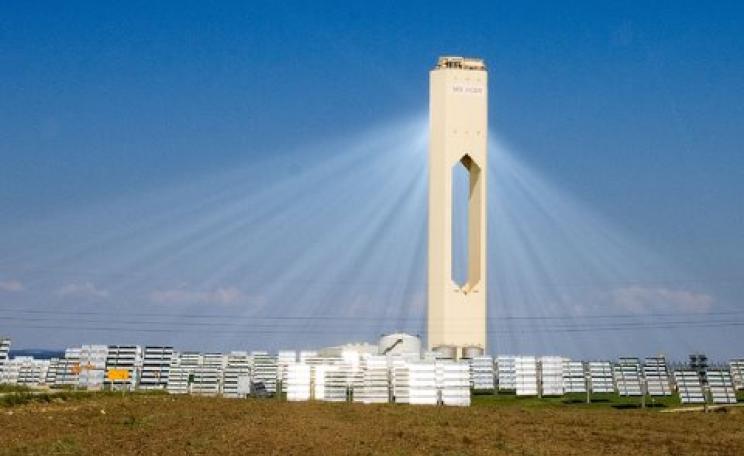
Solar power could be producing over a quarter of the world's electricity within 35 years, according to the International Energy Agency. But in the US, Congress's failure to extend solar tax credits is causing projects to be withdrawn.
The global homogenisation of food carries costs, writes Sayed Azam-Ali - notably the world's the increasing dependence on just a few 'elite crops', creating a precarious food system vulnerable to climate change. We must diversify our diets, and the crops that that feed us.
Three thousand light years is a long way from Earth - but Vali Ohm have made the journey in quick time. It's the distance between their latest album, Fragile Earth, and their previous space-rock album 3000 Light Years, a homage to the sounds of the 1970s. Vali Ohm's Danny Jackson charted the journey with Laurence Rose.
Following a 1 million signature Greenpeace petition, LEGO has pledged not to renew a 50-year link with the oil company Shell. The move comes as Shell bids to renew its Arctic drilling in 2015, and following revelations that it is trying to dilute environmental regulation in Arctic waters.
The UK's political mainstream has performed a complete U-Turn in policy on nuclear power, culminating yesterday in the European Commission's approval of a £15-20 billion subsidy package for the Hinckley C project. Donnachadh McCarthy delves into the nuclear industry's deep and far-reaching political links.
The repeated burning of England's upland moors - carried out so more grouse can be reared for lucrative shooting parties - is seriously damaging a unique and valuable ecosystem, writes Paul Brown - destroying ages-old peat, reducing its capacity to retain water, and releasing megatonnes of carbon to the atmosphere.
Soils are naturally alive with complex 'food webs' of micro-organisms that sustain plants with moisture and nutrients, making them good to eat. But once the biota have been blitzed with agro-chemicals under industrial farming regimes, it's our health that suffers. One more reason to grow, and eat, organic!