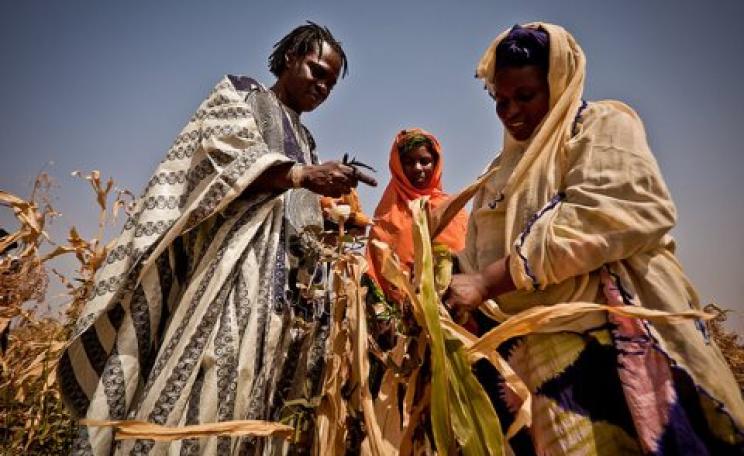
Reports show that traditional breeding techniques are years ahead of GM technologies in developing crops to withstand drought and poor soils, writes Lawrence Woodward. Yet GM advocates are sticking rigidly to their script even as the evidence mounds against them ...
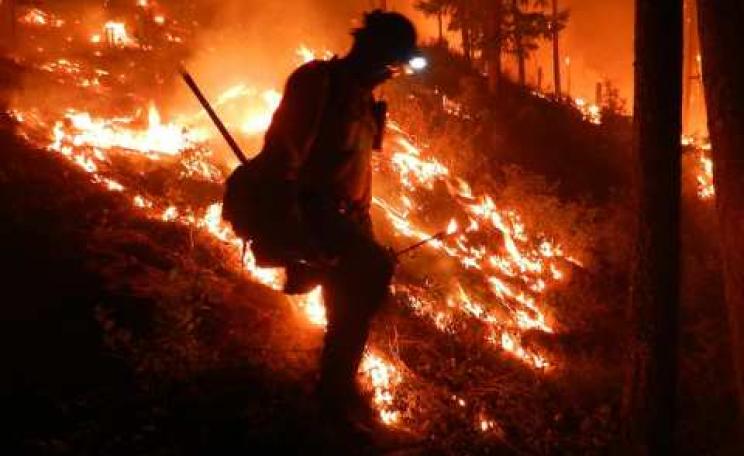
As the forest fires burn on in the western US, writes Kieran Cooke, a new report predicts that climate-led temperature rise will lead to millions more acres across the world being burned to the ground, especially in southern Europe and Australia.
The Ecologist has apologised to SOCO International following an article we published based on a report by Global Witness about the company's operations in the Democratic Republic of the Congo.
The UK government is determined to bring GMOs to England', writes Pat Thomas, and changes in EU rules mean this could happen as soon as next year. The way to keep them out is people power - so go ahead and declare yourself 'GM FREE ME'!
A small fishing community in Tanzania is the victim of a land grab carried out by powerful national park officials using inaccurate maps, writes Alejandra Orozco-Quintero - even though they are part of a long-standing, successful conservation partnership. Is it all to make way for a high-end tourism development?
Seeds are essential to our food and our entire lives, writes Rowan Phillimore. So join in celebrating and sharing them at a series of events this month in London, Bristol, Devon, Oxford, Lancaster, Herts - and begin the fightback against corporate domination of seeds and oppressive government regulation.
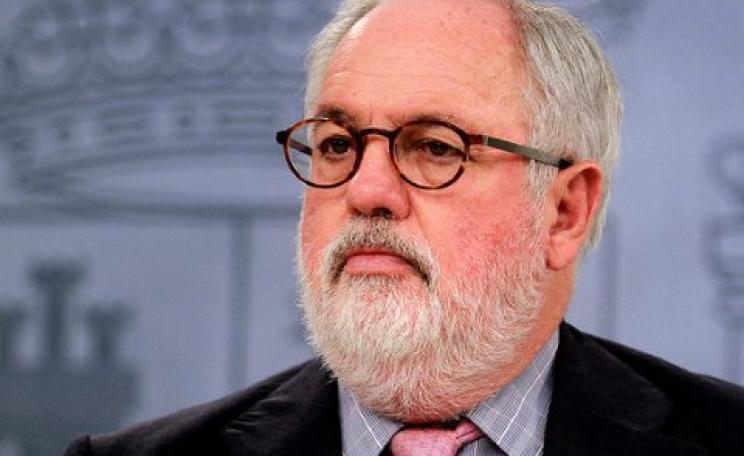
The appointment of Spain's Miguel Arias Cañete as the EU's Energy and Climate Commissioner is in doubt as MEPs rally against the man dubbed 'petrolhead' by the Sunday Times. Adding to his woes, an Avaaz petition against him has topped 438,000 signatures, and counting.
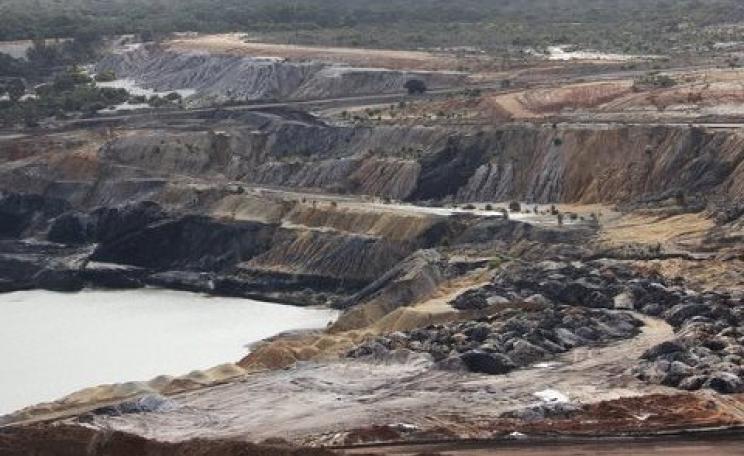
King Coal's reign is coming to an end, writes Chris Rose, at least as a fuel for generating electricity. Following a price collapse half of all production is being sold at a loss - and major coal users like China are still moving away from the high-carbon fuel.
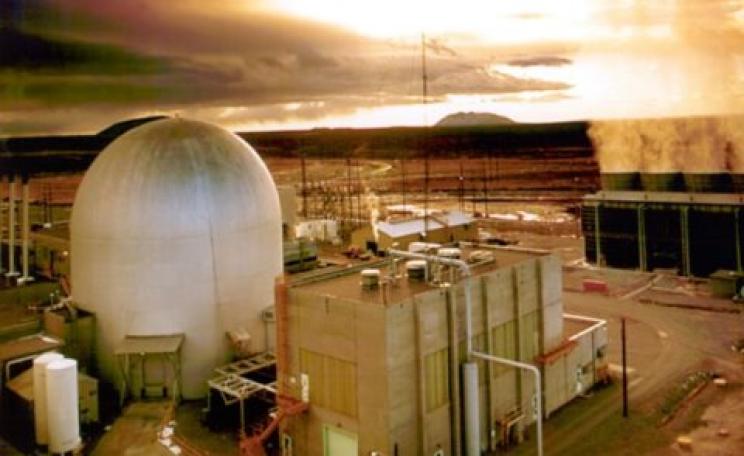
There's an Alice in Wonderland flavour to the nuclear power debate, writes Jim Green. Lobbyists are promoting all sorts of new reactor types - an implicit admission that existing reactors aren't up to the job. But the designs they are promoting have two severe problems. They don't exist. And they have no customers.
Shocking events have taken place in Malta as hunters - angered by a temporary closure of the bird-shooting season - attacked bird watchers, writes Steve Micklewright. But with a Maltese politician taking on the role of Environment Commissioner, the real battle lies ahead: the survival of the Birds Directive.
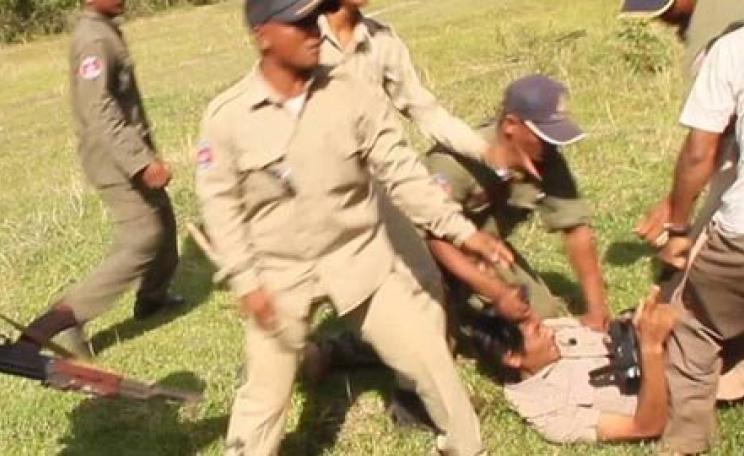
Film maker Fran Lambrick was there to record Cambodian forest defender Chut Wutty's burning of a store of illegal logs. But she didn't expect to be filming an attempt on his life. Five months later, Chut was murdered in a remote logging camp. But his beliefs live on in an extraordinary film.
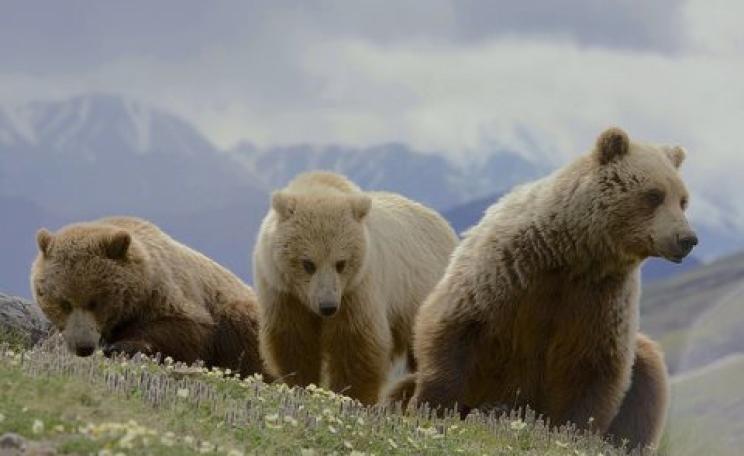
The plight of much of the world's wildlife seems 'worse than ever', writes Alex Kirby. To blame is unsustainable human consumption, which is driving habitat loss, climate change and the illegal wildlife trade.
Faced with a worldwide 52% decline in wildlife numbers over 40 years, Paul Jepson calls for action, not despondency. A new, inclusive vision of how to conserve and rebuild biodiversity is needed - that embraces diverse solutions, engages new technologies, inspires a new generation of leaders, and echoes the call of the wild.
The number of wild vertebrate animals has more than halved over the last 40 years, writes Hugh Warwick - a truly catastrophic rate of decline. Yet the BBC did not consider it important enough to ask the Prime Minister about yesterday morning. Step one to saving our wonderful wildlife - rekindle our love for the natural world.
Ukraine's Priazovskii National Park epitomises the problems faced by the world's natural areas, writes Dimiter Kenarov, as it contends with inadequate funding, rising sea levels, dried-out rivers, industrial pollution and illegal hunting. And that's not to mention the war. But the staff battle on: 'If we don't do this, then who will?'