Amid ongoing creative protests over BP's sponsorship of the British Museum, Danny Chivers wants to know - why the harsh security tactics? Why the searches, exclusions and arrests, all for a paltry 1% or less of the Museum's funding? Is this their policy, or is it BP that's calling the shots?
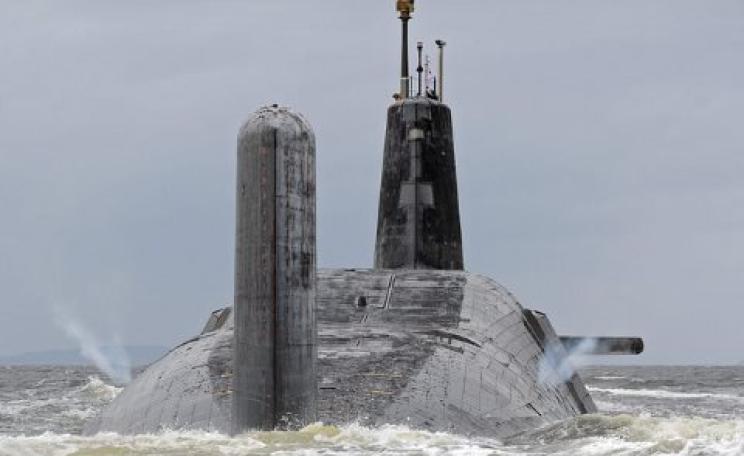
If the Scots vote yes on Thursday the UK's already tight military budget will be squeezed even harder, writes Paul Ingram, dramatically increasing the chances of nuclear disarmament. Adding to the UK's headache: the only medium term alternative base for its Trident submarine fleet would be ... in Georgia, USA.
Hundreds of thousands of people worldwide will join the Peoples' Climate March on Sunday - but will leaders at the UN Climate Summit on Tuesday be listening? Probably not, but all the more reason to act, and build a broad-based, global, popular movement for climate action.
Of course we must quit burning fossil fuels and welcome a renewable future, writes Andrew Lockley. But that's not going to stop the Earth from warming, indeed the reverse. So ... we need some tricks up our sleeve to deal with it - in a word, geoengineering. Because it will save our lives, and our planet.
At first it looked like a journalistic coup, writes Neil Crumpton - the BBC's 'scoop' that FOE was no longer opposed to nuclear power. Except that FOE remains firmly anti-nuclear as it has been for decades. The spotlight must now be turned on the BBC itself, and its little-known but shocking links to the nuclear industry
As the IWC meeting begins today in Slovenia, the EU, its 28 member states and the United States, Australia, Brazil, Israel, New Zealand, Mexico and Monaco, have expressed their opposition to Iceland's commercial whaling in a powerful diplomatic broadside.
The World Bank is considering 'reforms' to its policies to protect indigenous peoples from the impacts of projects it finances that would devolve key decisions to national governments - such as whether an ethnic group is 'indigenous' at all. If passed by the Bank's Board, the changes would strip away a raft of essential human rights protections..
This intriguing new book is a bold attempt to strike a new direction for ecological art, writes Martin Spray - not to communicate environmental issues, but to create new connections with the world around us and imbue our lives with 'artfulness'.
Community energy presents a real solution to Britain's energy trap, writes Hugh Bowring. And here's the perfect opportunity to find out more: Community Energy Fortnight is now under way, with over 80 events across the UK - from visits to wind farms and hydro stations, to DIY solar panel workshops and a community share offer festival.
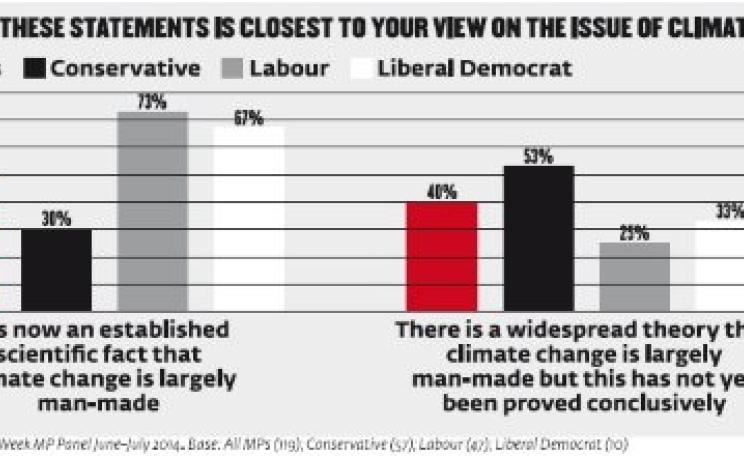
Seven out of ten Tory MP's think there's no proof that climate change is caused by people, and one in five thinks the idea is 'environmentalist propaganda', a new poll shows. Labour and Lib-Dem MPs are far more likely to accept climate science, but Parliament as a whole is remarkably 'climate sceptic'.
The Scottish referendum must mark an end to 'business as usual' in UK politics - no matter who triumphs in this week. That means no more 'first past the post' parliamentary elections, and a wider democratic rebirth under a new constitutional compact.
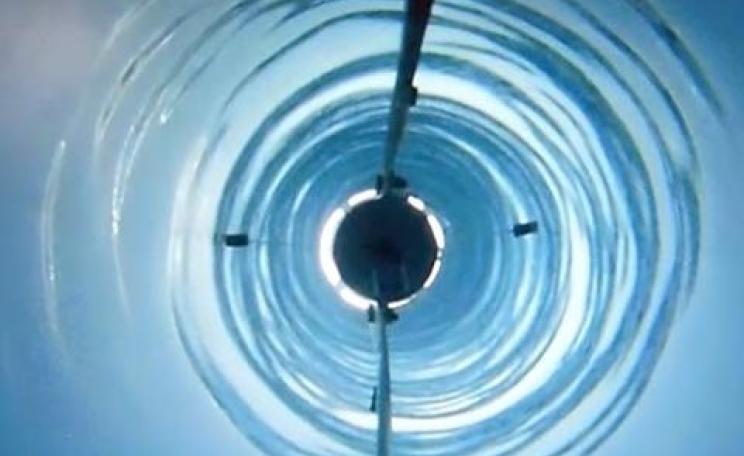
Beneath half a mile of ice scientists have uncovered the first hard evidence of a life in a subglacial lake, writes Helen Thompson. And not just life, but a complex ecosystem comprising thousands of microbial species. Could Jupiter's frozen moon Europa be hiding lakes like this?
As the world gears up to finance Gaza's $6bn reconstruction after Operation Protective Edge, an EU source has revealed that Israel will earn billions of euros by making sure that all the steel, concrete and other materials and other aid are sourced in Israel and benefit Israeli companies.
Plans to create a market in nature itself are fraught with danger, writes Alex Scrivener. Biodiversity offsetting could allow the fate of our forests, rivers, meadows and wildlife species, and the people who depend on them, to be determined by the whims of multinational corporations and speculative investors.
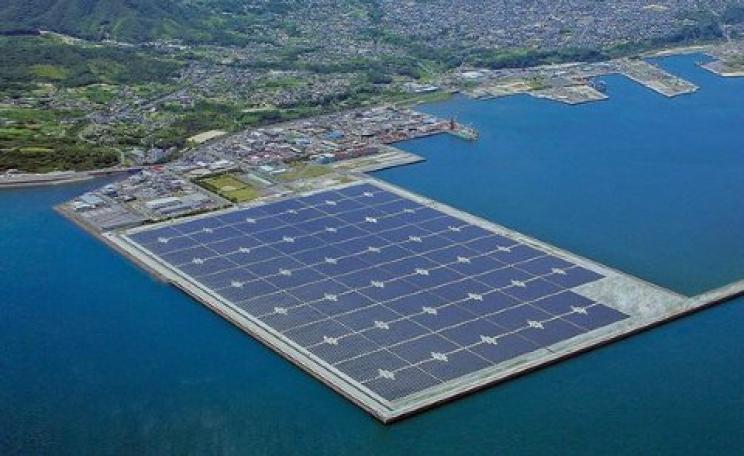
As Japan seeks to end reliance on nuclear power, one of the answers is floating 'solar islands', writes Jon Major. A 70MW solar island opened last year, and two additional plants have just been announced.