When Shell decided to quit its Arctic oil exploration it cited 'insufficient quantities' of oil and gas, writes Louise Rouse. But that was not the whole story: what tipped the balance was a combination of investor discontent, reputational damage and public opposition on an unprecedented scale.
The eviction of Kenya's Sengwer forest people in a World Bank financed project was a failure of the Bank's duty to protect indigenous people, according to an internal report. The Bank's directors are to decide on how to respond today - but if they follow their own management's advice, the evictions will continue.
The Global Alliance for Climate-Smart Agriculture made its high-profile launch at the New York Climate Summit. But for a huge coalition of civil society organizations, it's a 'greenwash' initiative designed to promote intensive profit-driven industrial agriculture at the expense of small farmers, environment, and the real solutions.
Google and Facebook have both recently quit ALEC, the corporate-funded climate change-denying US body that drafts right-wing laws for adoption by state legislatures. In a letter to Google, ALEC claims it does not deny climate change - an assertion strongly challenged by campaign group Forecast the Facts.
Could London, New York and other cities be self-sufficient in fruit and vegetables? Yes, writes Rachel Dring, by converting wasted roof space into gardens and greenhouses. Benefits include reducing waste; raising energy efficiency, sustainability and food security; and healthier, more connected citizens.
In a rare 'summary judgment' a federal court has ruled that the devolution of gray wolf protection to the state of Wyoming was unlawful because it was based on non-binding assurances. Federal protection is restored - for now. But an even bigger battle lies ahead.
The proposed structure of Juncker's new European Commission sidelines sustainability issues and risks undoing years of environmental legislation. The European Parliament must now block his deregulatory assault on the EU’s climate, energy, biodiversity, pollution, chemicals and environmental health policies.
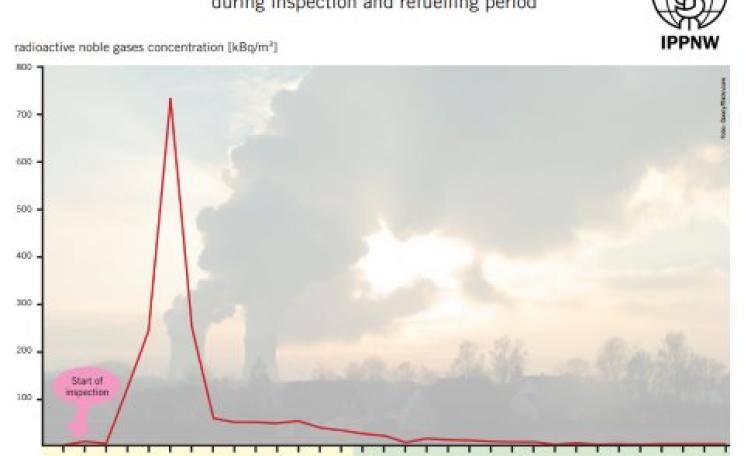
When nuclear reactors are refueled, a 12-hour spike in radioactive emissions exposes local people to levels of radioactivity up to 500 times greater than during normal operation, writes Ian Fairlie. The spikes may explain infant leukemia increases near nuclear plants - but operators provide no warnings and take no measures to reduce exposures.
Isn't it daft it is to use plastics that last for centuries to make short-life packaging? Now there's an alternative, writes Sophie Morlin-Yron - using fungi to bind farm and forestry waste into strong, non-toxic, complex forms. When the job is done, the material can be safely burnt or composted - and it even works for buildings ...
A study of 120 ice sheet collapses shows that 68% went from initial change to maximum retreat within 400 years - and that once triggered, the process and the associated sea level rise kept accelerating for hundreds of years. We may face a 1m sea level rise by 2100, writes Eelco Rohling - and much more in centuries to come.
A new book on climate change brings a refreshing, visual, gag-filled view of a complex topic, writes Edgar Vaid - while including some surprisingly advanced science. The relentless jokiness may be a bit much for adult readers, but will be a hit with the young ones. And that is, after all, what it's all about.
The movement to divest from fossil fuels is gaining strength, writes Ruth Lumley, with $50 billion of institutional investment behind it. This week's news that almost $1 billion of Rockefeller money is moving from fossil fuels to clean energy shows that the world is changing faster than most ever imagined.
If the world's leaders really cared about climate change, there's one easy way to reduce emissions, writes John Weeks - drop the obsession with increasing trade, and all the pollution that goes with it. A world based on local production, consumption and finance will be a better one for people and the environment.
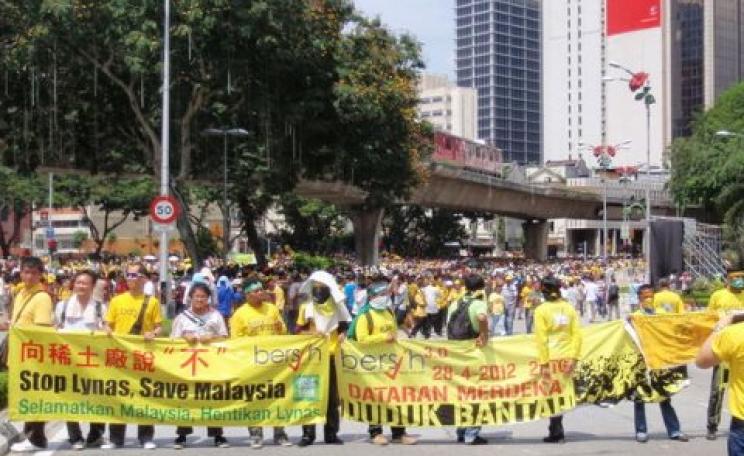
Government and corporations are resorting to the judicial repression of environmental activism in Malaysia, writes Meena Raman - deploying public order and defamation laws to suppress criticism and protest. Malaysia must value its peoples health and security above corporate profit.
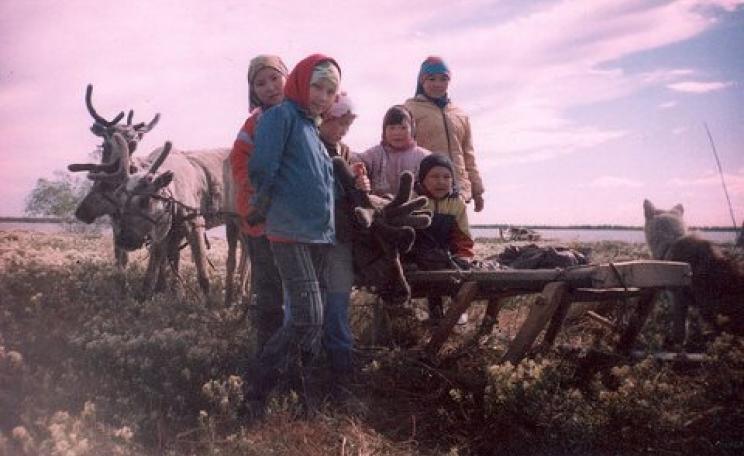
Why so few Russian representatives at the UN's World Conference on Indigenous Peoples? Officials prevented activists - some opposing Arctic oil development - from leaving the country, damaging passports and detaining them so they missed their planes.