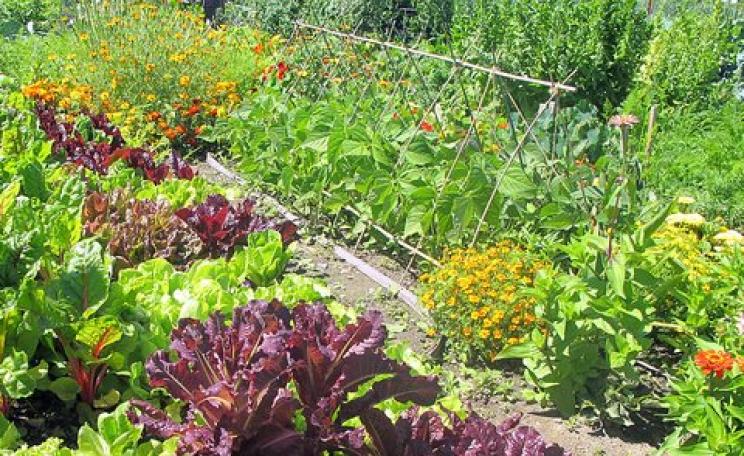
First corporations gained legal personhood, writes Don Fitz. Next they seized the right to force 'free trade' on unwilling populations. Now they are making sure that 'corporate rights' trump citizen rights - like the right to wholesome food and a healthy environment. That's where the 'Right to Farm' constitutional amendments come in ...
Hydraulic fracturing is roaring ahead in the Canadian Arctic, writes Ed Struzik. Companies are competing to exploit the Northwest Territories' 2-3 billion barrels of shale oil, as the NWT government ignores calls from indigenous nations and scientists for a moratorium on fracking pending an open review of its impacts.
Scientists in the US have established that chemicals used in fracking to extract gas and oil could represent health and environmental hazards, writes Tim Radford. Among the greatest hazards: biocides and corrosion inhibitors.
Government energy policy is caught between apparently conflicting objectives, writes Mark Hackett. But there is a solution that is already working in the UK and abroad - to encourage the active participation of local authorities in delivering low carbon energy to the communities they serve.
It's a global phenomenon - we are consuming more calories, and more of those calories are the same, writes David Nally. Just ten crops produce 75% of our food, as factory-farmed meat, sugar, wheat, corn, soybeans and palm oil displace more nutritious and diverse diets. It's not good for us, or the planet - but it's great for corporate food monopolists!
When the US's biggest ever coal ash spill buried 300 acres of waterfront property in a white, middle class suburb, the waste was treated as a toxic hazard. But by the time it reached Uniontown, a black community in Alabama, that was all forgotten. Now they are fighting back.
The plight of Kenya's Sengwer people shows that carbon offsets generated by 'sustainable' forest management are empowering a corporate recolonisation of the South backed by the World Bank against its own guidelines, writes Nafeez Ahmed. Indigenous forest peoples are at risk of genocide while corporations let rip.
Patented and 'indentured' seeds are fast taking over the world's food supply, write Jack Kloppenburg & Irwin Goldman, terminating farmers' and gardeners' ancient right to develop new varieties, and forcing them to buy seed anew for every crop. Enter the Open Source Seed Initiative ...
Hawaii's salt-water aquarium trade is lucrative - but depends on the constant, scarcely regulated collection of wild fish, writes Elizabeth Claire Alberts. With 98% of fish in the trade taken from the wild, and high mortality rates from the moment of collection, Hawaii's coral reefs are experiencing a daily massacre.
After decades of occupation and dispossession, a culture of sometimes violent resistance has taken root in Issawiya. But it is never fetishized, writes Sam Gilbert - resistance is recognized as the only alternative to slavery, and the only means by which the people will ever achieve the freedom they thirst for.
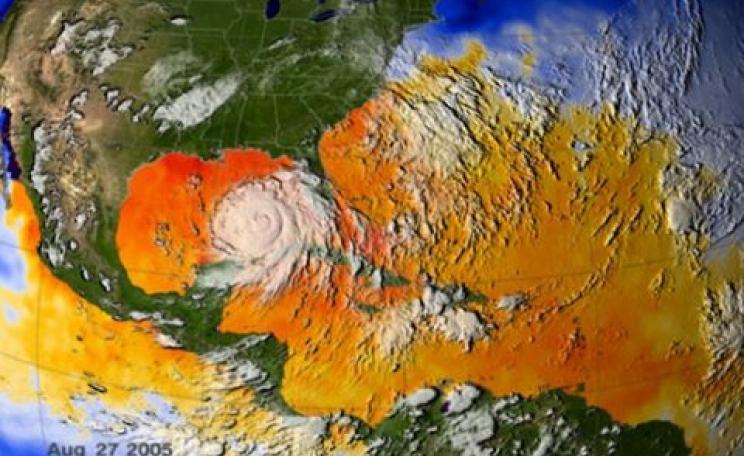
Data collected by the WMO shows there were almost five times as many weather- related disasters in the first decade of this century than in the 1970s, writes Chris Rose. Hurricane Katrina in 2005 was the most expensive ever, costing $147 billion.
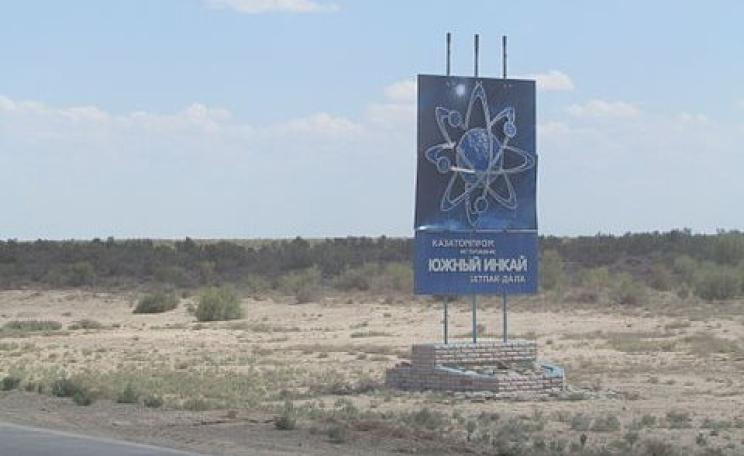
Russia has announced that it will build the first thermal nuclear power station in Kazakhstan, the world's largest uranium producer, writes Komila Nabiyeva. But where in that vast country will it be located? Who will own and operate it? How many reactors are planned? Who will get the power? And will it ever actually happen?
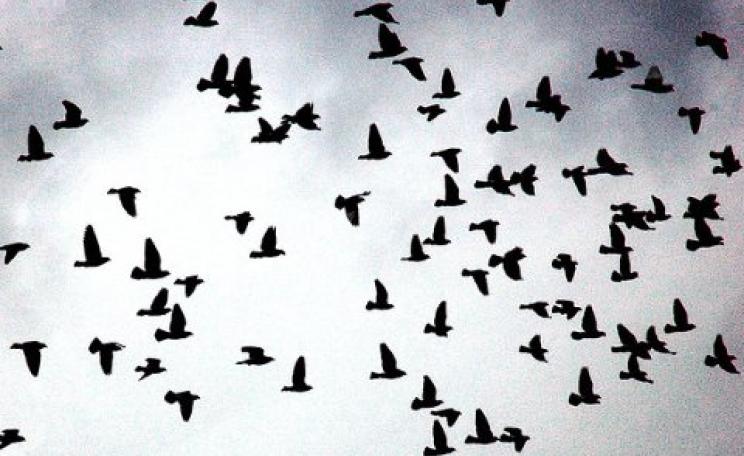
Airports around the world are waging a war on birds, writes Rose Bridger. It's meant to prevent aircraft bird strikes. But in fact, fatal (for people) collisions are rare - and even killing thousands of birds does little to reduce the number of strikes. Best fly less, and keep airports away from birds!
The essential first lesson for an animal rescuer: you are unimportant. It's the animals that matter. Sophie Morlin-Yron meets Jan Creamer - effective, courageous and seemingly selfless campaigner against animal cruelty worldwide, from Bolivia to Zambia, from circuses to factory farms.
Avon & Somerset police say that National Farmers Union and cull company representatives will be excluded from the control room in the 2014 cull. Their presence in control rooms in the 2013 cull caused a major loss of public confidence in the policing operation.