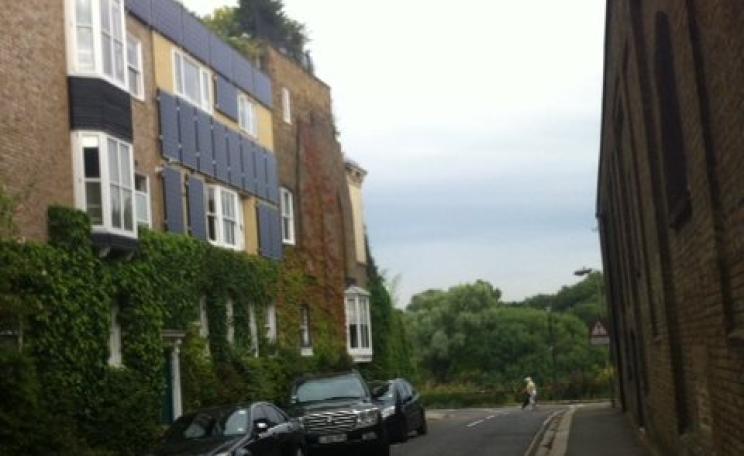
An array of solar panels on a Chiswick side street, facing a brewery wall, constitute a threat to the quality of life of future generations, according to the council and a planning inspector. Paula Owen begs to differ, and wonders - exactly what kind of mushroom have they been smoking?
A string of events earlier this year provided a sobering snapshot of a global climate system out of whack, writes Peter Fisher. Could it represent the end of a rare 10,000 year island of stability in global climate? If so, we had better get used to it. The Earth may never be so comfortable again ...
There is no better time to put the 'green' into building than at the outset of the design phase, writes Ryan Kohn. And to get it there we need to raise awareness of sustainable technologies, and offer incentives, rather than loop-holes, for developers. Buyers too must learn to appreciate the long term value of green ... and demand the highest standards.
The FCA is accused of undermining official policy by refusing new applications for community energy projects with a co-operative structure, writes Adam Vaughan. The key question: what is a bona fide co-op? Is investment alone a valid form of participation?
A second canal joining the Pacific and Atlantic oceans is planned for Nicaragua, writes Nathan Wood. But the gigantic project is raising growing fears due to a grossly unfair contract, glaring failures of process, close links to the Chinese government, and its enormous - but uncosted - ecological impacts.
Campaigning has never been so easy - sign an Avaaz petition here, send an email there ... and the world is soon put to rights, no? No, writes Paul Mobbs. We must examine the impacts and implications of our e-life, from climate change to corporate dominance, and take control of the technologies we increasingly depend on.
An invisible cloud of man-made chemical toxins is sweeping the globe, writes Tony McMichael - disrupting ecosystems, damaging human health and shortening our lives. Our response so far has been utterly inadequate, as Julian Cribb reveals in his new book. But there are solutions - and it's up to us to get them implemented.
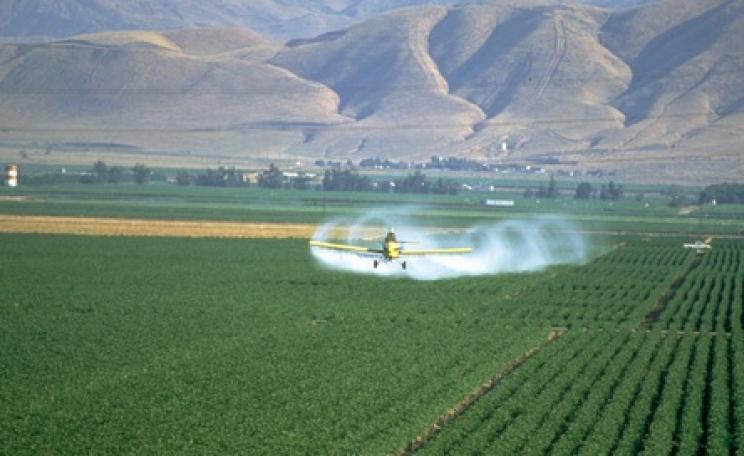
The US is poised to 'deregulate' GMO corn, soybean and cotton varieties resistant to the herbicides 2,4-D and dicamba. The result will be a big increase in the use of those herbicides, as high as 600%. Only a huge public outcry can now stop the GMO-herbicide juggernaut.
Western media have studiously ignored the far-right, violent and often outright Nazi politics of many of Ukraine's Euro-Maidan protestors, writes Robert Parry. But with the thugs now organized into Nazi brigades of the Ukrainian army, and waging war on Russian separatists, an unlikely British paper has dared tell the truth: the conservative Daily Telegraph.
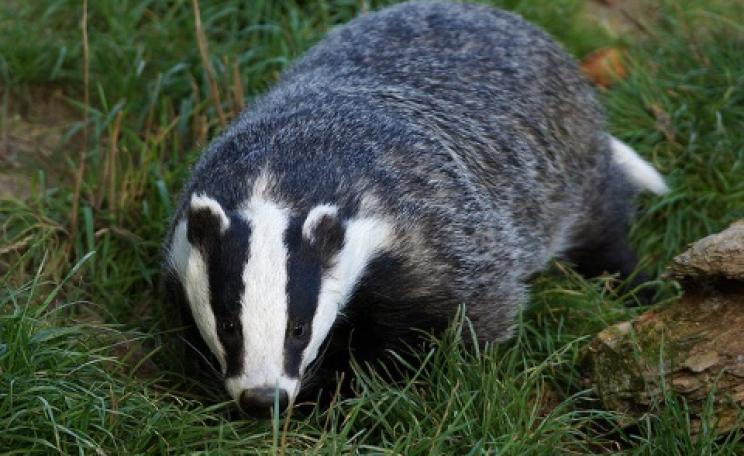
New revelations show that the rifle-wielding badger cullers were often acting criminally, writes Lesley Docksey - pursuing badgers with loaded weapons on both private and public land outside licenced areas, with impunity, while the IEP was apparently kept in the dark. Strict controls are essential - or just an end to the cull.
How do we spur more microgrids powered by renewable energy? Deregulate, writes Bill Watkins, ending the monopolies enjoyed by centralized energy companies. The alternative is to keep consumers and micro-generators stuck with the energy equivalent of the 'Princess' phone.
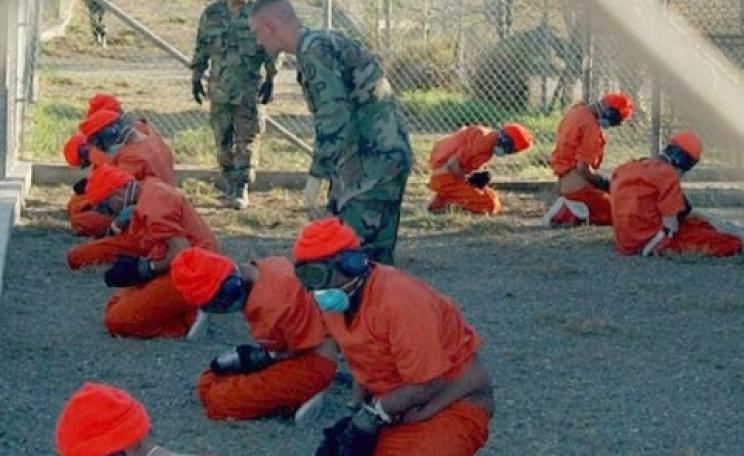
G4S, the UK government outsourcer that supports Israeli security functions in the West Bank, will now supply 'custodial services' to Guantánamo Bay Naval Base, writes Clare Sambrook. Shocked? You shouldn't be. G4S is impervious to public criticism and defies international law with impunity.
A Pennsylvania seed library stands accused of 'agri-terrorism' over alleged breaches of the Seed Act 2004, reports a bemused Kevin Carson. Have USDA and state agriculture departments become the enforcement branch of the agribusiness crime syndicate?
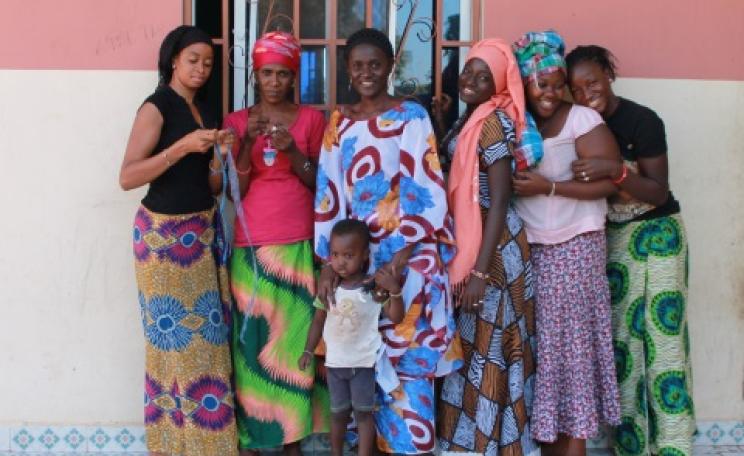
Plastic waste, often burning, is a constant companion in Gambia, a poor country where few enjoy formal rubbish collection, writes Louise Hunt. Now a pioneering project to upcycle waste plastic is beginning to tackle the problem - and in the process enhancing women's social and economic status.
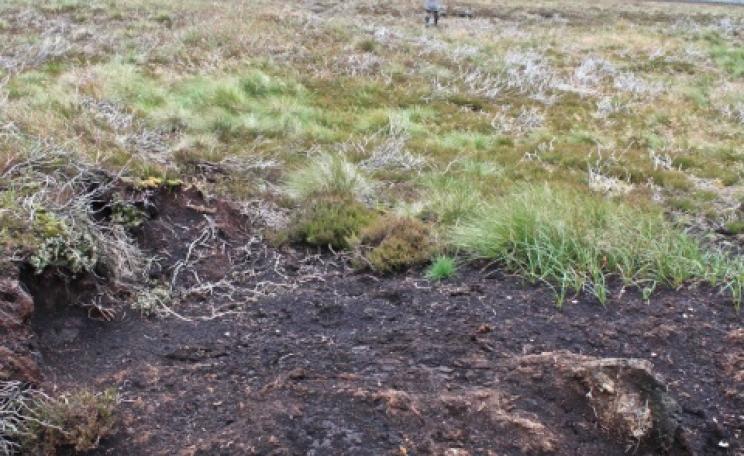
Today, on the 'Glorious 12th', well-heeled folk take to the hills to shoot grouse. And to be sure there's lots of birds to kill, writes Martin Harper, England's moorlands are burnt with dire impacts on their biodiversity and ability to absorb rainfall. It's high time to end this barbaric practice!