An illegal road on India's Andaman Islands has already opened up a 55,000 year old tribe to disease, sexual abuse and the theft of their resources. But instead of closing the road, local politicians are upgrading it with two new bridges.
Owen Paterson's departure from Government could see the end of the hated badger culls and a wider return to environmental sanity, writes Lesley Docksey. Given his disbelief in climate change and his arrogant disregard of science, it's not a moment too soon!
Britain's new Environment Secretary is young (38), female, blonde, believes in climate change, and has floated imaginative policies to deal with it from a carbon tax to 'personal carbon allowances'. As for badgers ... her silence on the topic promises well.
The UK's conservative Daily Telegraph warns: investors in fossil fuels are 'throwing good money after bad', reports Nathan Wood, as renewable energy takes off leaving a potential $19 trillion of oil assets 'stranded'.
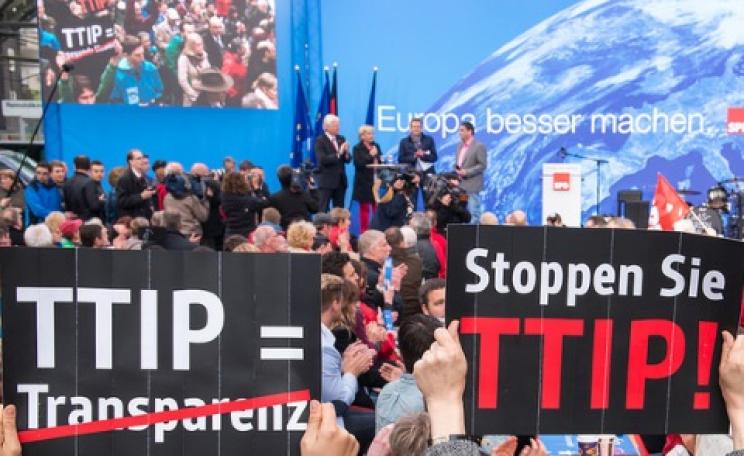
The EU-US TTIP trade agreement would 'protect investors' by giving them the right to sue national government for changes in the law that reduce their returns, writes Cécile Toubeau - putting an end to progress on environment and human development.
Australia's nuclear industry has a shameful history of 'radioactive racism' that dates from the British bomb tests in the 1950s, writes Jim Green. The same attitudes have been evident in recent debates over uranium mines and nuclear waste, but Aboriginal peoples are fighting back!
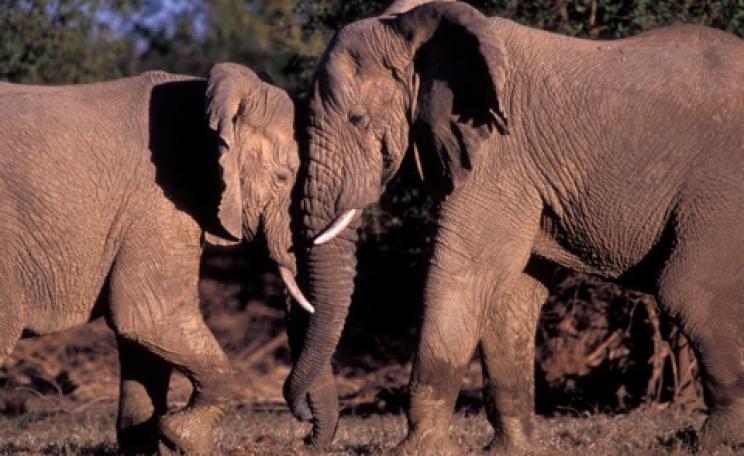
Mali's elephants have lived for millennia in the inhospitable Sahara, writes Susan Canney. But with their survival at risk from a host of modern, 21st century threats, local people are coming together to protect them - and finding that they too are benefiting.
The devastating human impact of Syria's civil war may persist for decades to come as heavy metals and carcinogens in munitions end up in the environment, along with chemicals from destroyed industrial plants and stores. A long-term public health crisis is in the making.
Our current electricity system cannot accept much wind and solar power because they lack the 'inertia' of spinning turbines that stabilises grid voltage, writes Marek Kubik. But that's no reason to limit renewables - there are new, smart solutions ready for deployment.
The choice of the armadillo as World Cup mascot could have led to great conservation gains in Brazil, writes Robert Young. Results so far are deeply disappointing - but it's not too late for FIFA and Brazil to create a natural endowment to be proud of for decades to come.
A partnership between an Oxford-based social enterprise and the local Council provides a blueprint for financing community energy projects, writes Wendy Twist. And with £2.3 million in the bank, things are really starting to move ...
The National Rifle Association has demanded that The Ecologist retract important elements of a story we ran about the threat to condors from ingesting spent lead ammunition, and the NRA's opposition to a lead ban. We publish our response.
Amid the chaos and stench of war in East Ukraine, Tanya Lokshina investigates a litany of atrocities - including abductions of non-combatants and air strikes that have left entire villages in ruins and killed many civilians including children. It's all part of HRW's campaign to secure justice for the victims of war crimes.
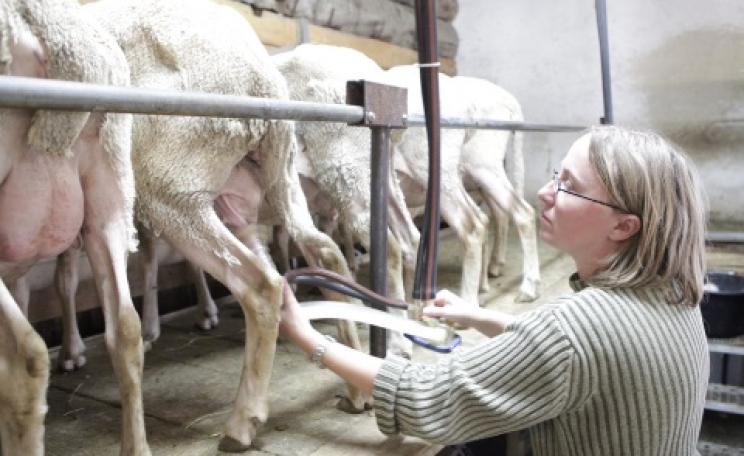
New EU regulations forbid the use of herbal remedies and plant essences to maintain animal health instead of antibiotics, reports Sandra Saadi. An organic ewe breeder in France has already been threatened with the loss of EU farm support payments.
The UK will break nitrogen dioxide limits until after 2030, EU judges were told today. And now the 'secret' information is public - accidentally published on a Government website, while lawyers were asking judges to keep it secret.