Migration is an essential component of strategies to adapt to changing climates, writes Alex Randall. Greens should welcome migrants and support their efforts to build climate resilience in their home communities.
There is much merit in the cliché that 'a picture is worth a thousand words', writes Edgar Vaid, but 'Our Beautiful, Fragile World' suggests that great photography complemented by explanatory text is worth even more ...
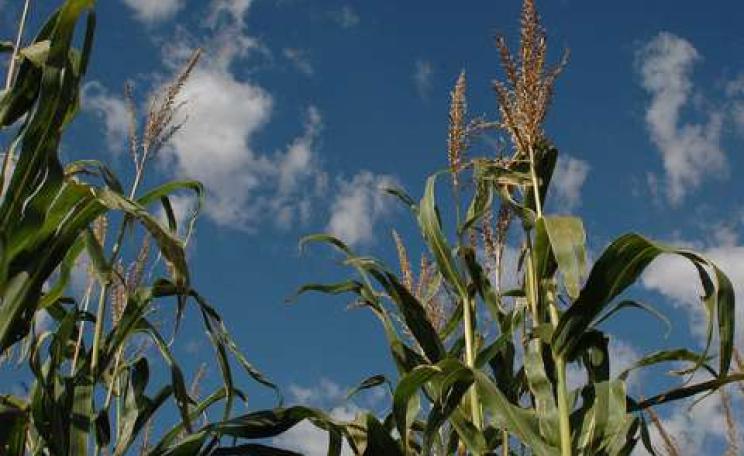
The forced retraction of a study that identified serious harm to rats fed on GMO maize and Monsanto's 'Roundup' reveals a deep and systemic corruption of science and regulation, writes Gilles-Eric Séralini. Urgent and far reaching reforms must now take place.
A scientific study that identified serious health impacts on rats fed on 'Roundup ready' GMO maize has been republished following its controversial retraction under strong commercial pressure. Now regulators must respond and review GMO and agro-chemical licenses, and licensing procedures.
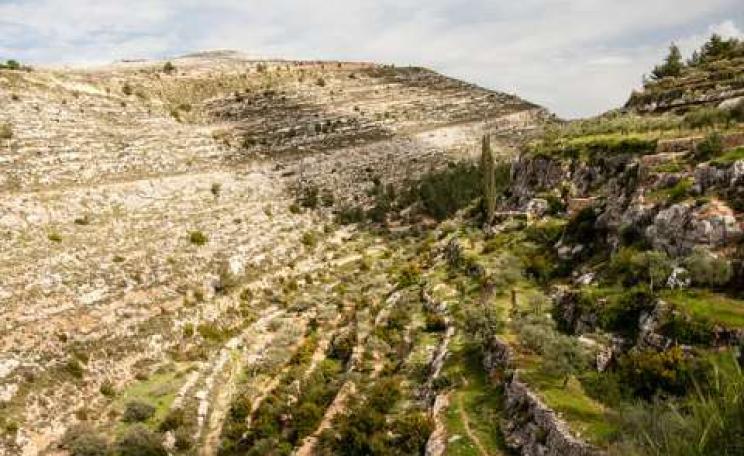
An ancient system of irrigated terraces in Palestine's West Bank have been recognised by UNESCO as a World Heritage Site against strong opposition from Israel - which wants to build its 'separation wall' across Battir, cutting Palestinian farmers from their land.
Ecover refutes allegations that it has been using 'synthetic biology' to make soap ingredients from algae. On the contrary, write Tom Domen & Dirk Develter, it's just old fashioned fermentation, and the company remains at the forefront of sustainability and responsible practice.
Why does the fracking lobby refuse to engage in open, public debate? Because, writes Paul Mobbs, it has already got its way, with the uncritical support of all the 'mainstream' media and political parties. You and I simply do not matter. So what are we going to do about that?
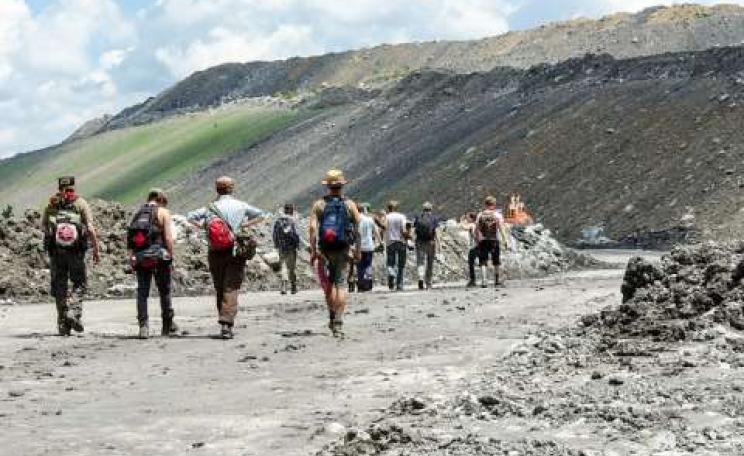
A Spending Bill now under debate in Congress would cut over $100 million from renewable energy, grant extra funds for dumping nuclear waste and fossil fuel research, exempt 'mountain top removal' coal from regulation, and limit the EPA's power to enforce clean water laws.
Africa sustains some of the most spectacular ecosystems on the planet - from the Sergengeti to the Congo Basin to the Eastern Arc forests. But those ecosystems and their iconic wildlife are now facing their greatest peril, writes William Laurance - a mining boom of unprecedented intensity.
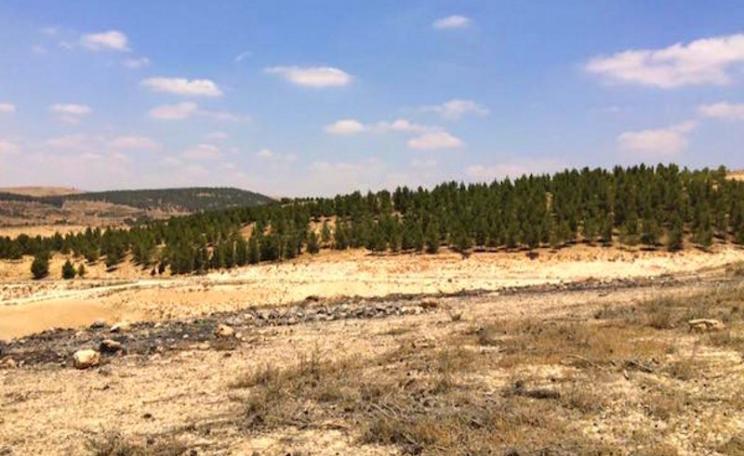
It should be good news, but it's not. Israel's largest man-made forest is set for enlargement, but at the expense of a village where a Bedouin community has lived since they were resettled there in 1956. Its sister village is to be demolished so a new Jewish town can be built on its ruins.
Botswana's Okavango Delta, one of the most iconic natural areas on the planet, has been listed as 1,000th World Heritage site today. The decision follows the advice of IUCN, UNESCO's advisory body on nature.
With Australia's still trying to 'de-list' 74,000 hectares of forest from the Tasmania Wilderness World Heritage Area, Kevin Kierman reminds us that it's not just about the trees. No less important are the area's unique geology, and ancient Aboriginal cultural sites.
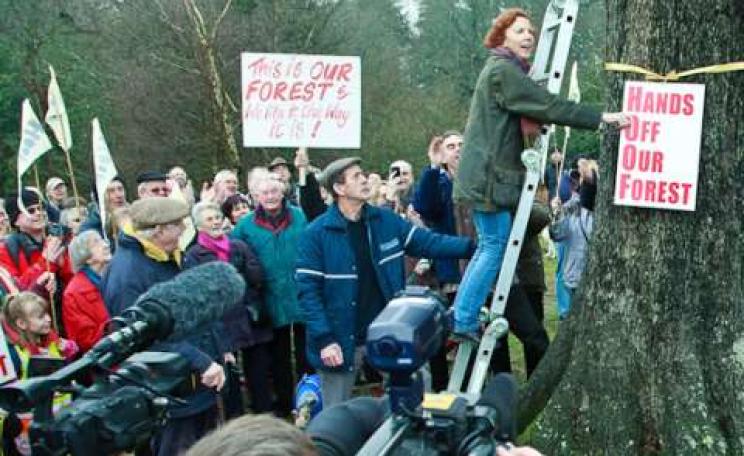
First the Government failed to include a Forests Bill in its legislative programme, writes Owen Adams. Next, campaigners spotted that the Infrastructure Bill enables a wholesale selloff of public lands. Just how safe are Britain's public lands and forests?
Repowering London is an energising force - not just making renewable energy projects happen, but engaging communities to finance them, training young people to install them, and ensuring the benefits stay local. Lucy Anna Scott meets the dynamic Agamemnon Otero ...