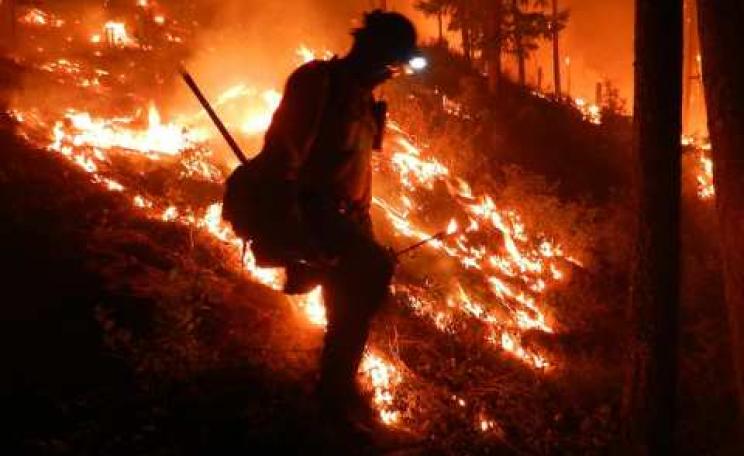
Forest fires are invariably portrayed as fiercely destructive environmental calamities. But for the native forests of the American West, large fires are essential to ecological renewal. Contrary to the mantras of logging companies and forest service officials, we suppress them at our peril.
GM crops that resist herbicides are bringing ever higher levels of toxic chemical residues to our food, even mothers' milk, writes Pat Thomas. As the 'endocrine disrupting' effects take place at minute concentrations, there is only one answer - to keep the herbicides off all food crops.
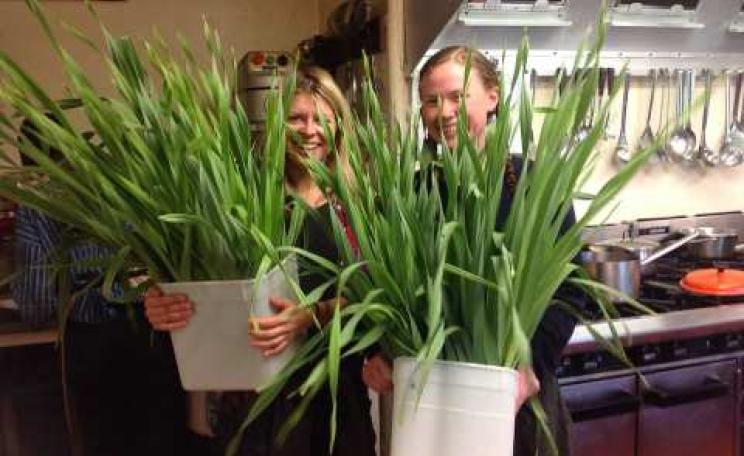
How we feed ourselves sits at the crux of all human affairs, writes Joanna Wright - the health of our bodies and communities. Far too important to leave to industrial farms and processors, it's something we can all begin to do for ourselves.
Large-scale fracking is a must for the UK economy, says a new report from the House of Lords. But it confuses opinion with fact, cherry-picks data, and six of its authors have a stake in the industry. The real solutions, writes Tony Bosworth, lie in energy efficiency and renewables.
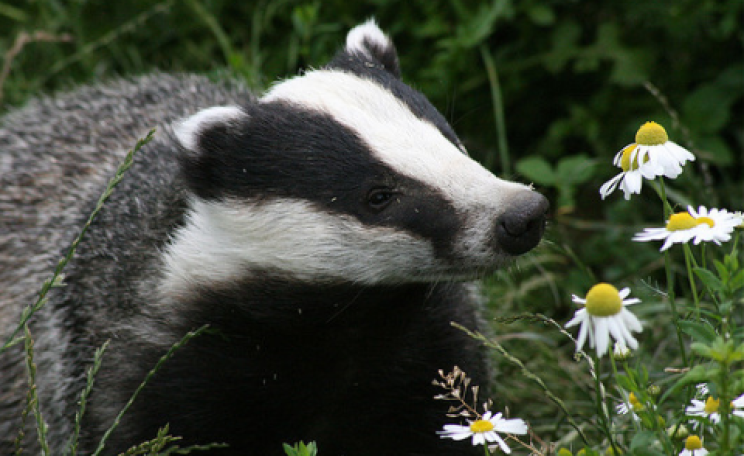
Days after our exposé of a policing disaster at England's 2013 badger culls, the Police Commissioner for Gloucestershire is to question the county's most senior police officers. The event will be video-streamed online.
The risk of leukemia for children living near power lines closely tracks levels of radiation from nuclear bomb test fallout, writes Chris Busby. The obvious explanation the 'experts' have chosen to ignore: the electro-magnetic fields increase radiation exposure.
This chronicle of over two centuries of melting Alpine and polar ice, seen through the works of contemporary artists, is at its best both powerful and provocative, writes Martin Spray. But he wonders - is art really such an effective force for environmental protection?
The East Antarctic ice sheet is thought by most scientists to be stable, reports Alex Kirby. But a German team says it has found how a large part of it could in time melt unstoppably, causing a long term 4 metre rise in global sea levels.
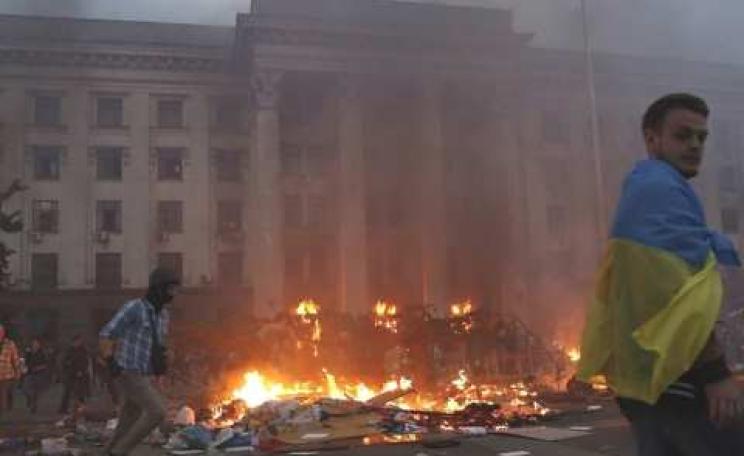
The mainstream media are working hard to obscure NATO's hideous plot to rekindle the Cold War in Ukraine, writes Diana Johnstone, as they seek to engineer our 'consent' for yet more heinous acts to come. To prevent the horror of a full scale war, first we must grasp the truth.
Our current approach to climate change is strengthening the ideological substructure that is devouring our planet. Charles Eisenstein urges us to tackle the problem at a fundamental level and to focus on the health of humans and natural systems.
The US looks set to approve GM crops that resist the 'Agent Orange' pesticide 2,4-D as well as glyphosate, writes Helena Paul. If it does, the toxic chemical - created in WW2 to destroy enemy food supplies - will soon end up in animal feeds, and the food we eat.
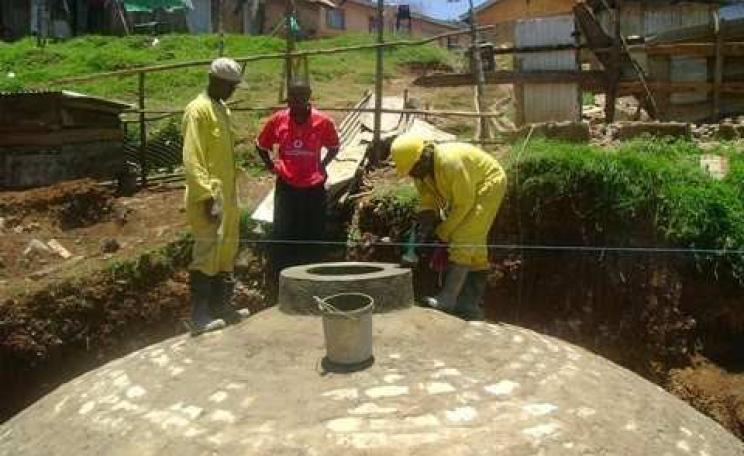
Biogas digesters are a key technology for global sustainable development, writes John M. Hawdon. They simultaneously combat parasites that infect a billion people, reduce deforestation and methane emissions, and deliver vital energy to rural communities.
In its report on last year's pilot badger culls, the Independent Expert Panel (IEP) judged that the culls failed the criteria for effectiveness and humaneness, but satisfied those for safety, writes Lesley Docksey. The facts say otherwise.
The Keruak Corridor in Malaysian Borneo - a critical area of rainforest which links protected areas sheltering increasingly endangered orangutans - has been secured, with £1 million raised to buy the land.
Across Africa, corporations are grabbing community land and water - and nowhere more than in Liberia, where half the country has already been lost. But one community has shown it's possible to overcome intimidation, organize and resist.