The 1994 genocide in Rwanda could easily have finished off the mountain gorillas of the Virunga mountains. The fact that they survived is in large part thanks to Eugene Rutagarama. He spoke with Veronique Mistiaen about the primates' future prospects ...
Australian environmentalists have launched a lawsuit against plans to expand a coal port that threatens the Great Barrier Reef, writes Maxine Newlands. The approval came in spite of warnings from UNESCO and marine scientists that the Reef is already 'in danger'.
Public Health England is guilty of gross scientific misconduct, writes Paul Mobbs, for its apparently deliberate whitewashing of the public health impacts of fracking. But it's all part of a pattern of maladministration that reaches to the heart of government.
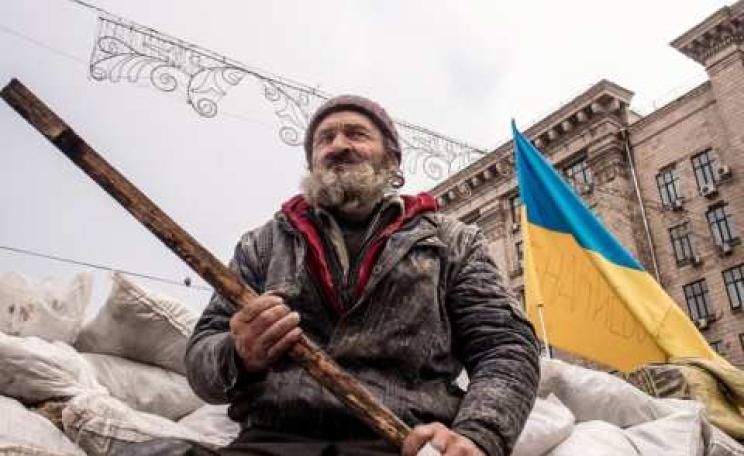
The EU is in a unique position to save Ukraine from becoming a failed state, writes Michael Emerson, by creating a lightly armed tripartite peacekeeping force of EU, Ukrainian and Russian personnel. But it must act swiftly!
Apple is moving to 100% renewable energy, worldwide, writes Robert Hunziker. But even better is CEO Tim Cook's fierce put-down to fossil-fuelled, climate skeptic shareholders: 'if you don't like it, sell!' Suddenly the politics of climate change in the US shifted ...
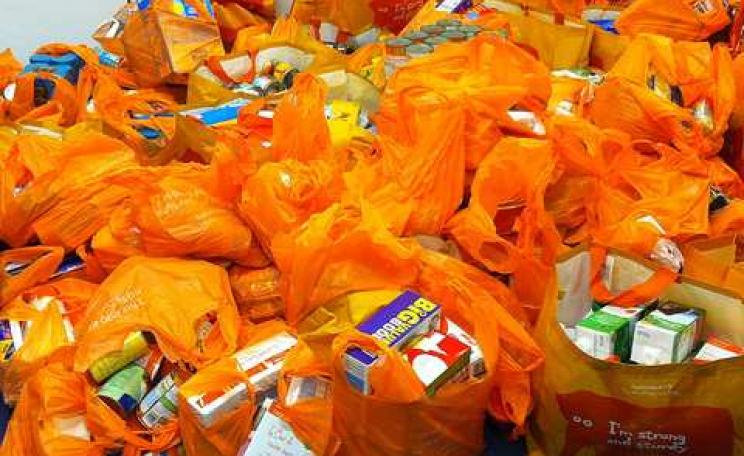
The growth of food banks reflects a simple truth: the government does not care about hungry families, writes Rupert Read. To tackle hunger, work must pay a living wage, social security must do its job, and communities must rebuild local food networks.
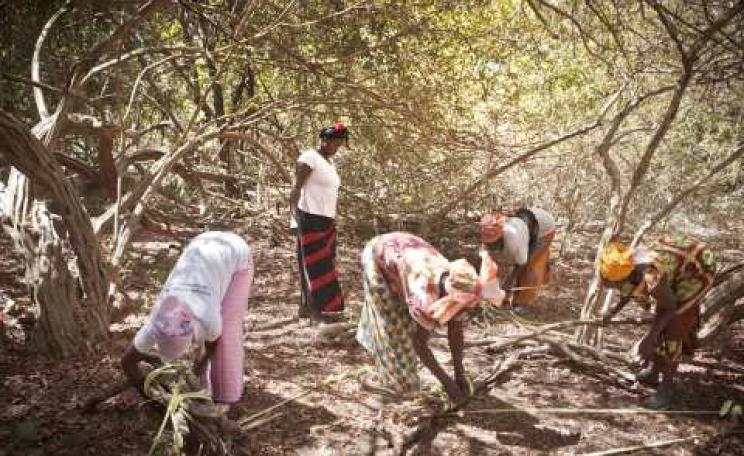
Civil war in Casamance, a forested area of Senegal, has been fought for 30 years, while an illegal timber trade has boomed amid the insecurity. Louise Hunt reports on how community forestry is bringing peace to the region - and restoring life to the forests.
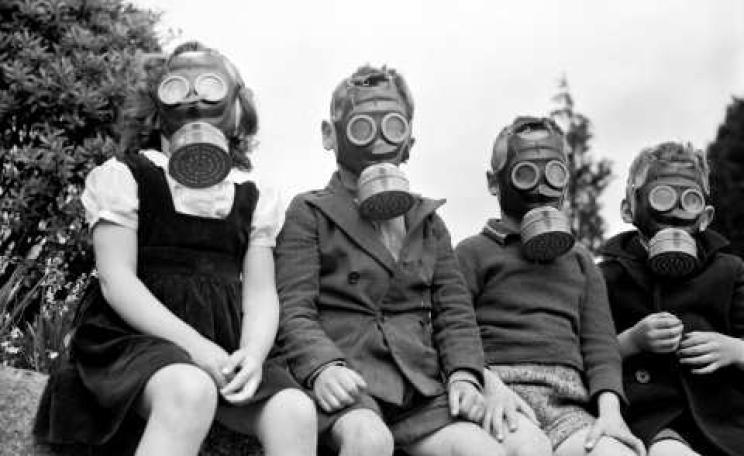
The US threatens to attack Iran if it tries to build a nuclear bomb, yet the US and other nuclear WMD states have ignored their treaty obligation to work toward nuclear disarmament, writes Rober Dodge. Now the Marshall Islands has gone to court to enforce compliance.
A massive citizen-powered climate simulation conclusively links the UK's winter floods to global warming, writes Simon Redfern. Over 33,000 climate models running in 'screen saver' mode show a powerful connection between hotter oceans and UK rainfall.
Major world trade deals now under negotiation would allow corporations to sue governments for billions if they tighten up laws and regulations, writes Thomas McDonagh. But increasingly countries are rejecting these dispute mechanisms that undermine sovereignty and democracy.
Ten years ago, Mo and Dave fell in love, writes Helen Leavey - with a ruinous but romantic water mill in Yorkshire. It was the beginning of a fabulous restoration adventure, and the mill is now an exemplar of renewable energy generation and a thriving education centre.
Opponents of nuclear power rightly focus on issues of cost, operational danger and waste disposal, writes David Lowry. But they should not forget the towering 'elephant in the room' - nuclear security and the risk of proliferation and terrorist attacks.
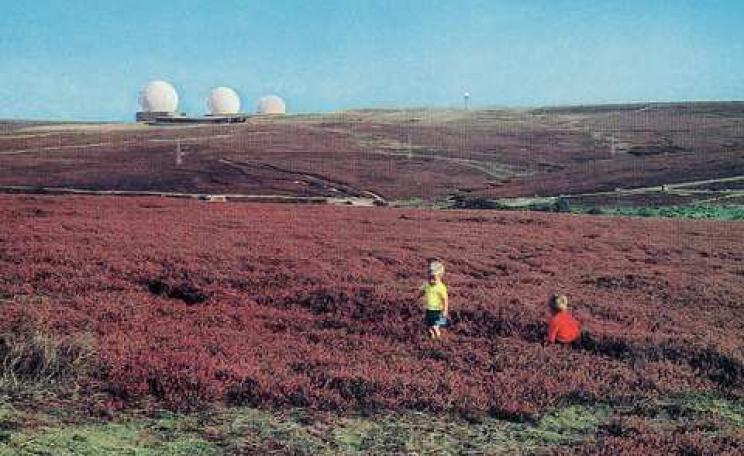
The Non-Aligned Movement has reiterated the demand for Israel, the only country in the Middle East that has not joined the Non-Proliferation Treaty, to 'renounce possession of nuclear weapons' and join the Treaty without delay.
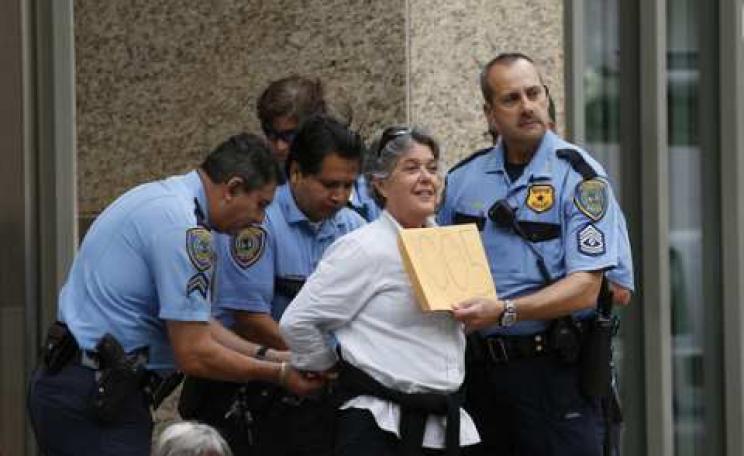
Nearly 100,000 people have pledged to risk arrest if the Obama administration approves the Keystone XL pipeline. Among them is Jeremy Brecher, who believes that the real criminals are governments who betray their fiduciary duty as trustees for the public good.
To tackle the world's most pressing problems, writes Winslow Myers - like climate chaos, insecurity, hunger, poverty and disease - we must build a life-affirming peace free of the Earth-destroying nuclear weapons whose dark shadow bears down on us all.